Risk has a way of hiding in plain sight. |
This week’s stories trace how quiet missteps — from drivers and mobile platforms to cloud databases and insider access — can ripple into real risk.
Read past newsletters here. |
|
| Here’s what you need to know: |
|
|
Nvidia Driver Flaws Enable Kernel-Level Attacks |
Nvidia patched multiple high-severity GPU driver flaws that could enable privilege escalation and arbitrary code execution. Because GPU drivers run at the kernel level, exploitation can grant deep system control across Windows, Linux, and Nvidia’s vGPU stack, putting AI, ML, VDI, and cloud workloads at risk. |
Nvidia did not report any exploitation in the wild at the time of publication.
Patch all Nvidia GPU drivers immediately, then reduce risk by tightening least-privilege access, monitoring for abnormal GPU and VM behavior, and limiting GPU exposure in shared or nonessential environments. |
Ivanti Patches EPMM Amid Active RCE Attacks |
Ivanti released patches after confirming that attackers are actively exploiting two critical remote code execution flaws in Endpoint Manager Mobile. The vulnerabilities enable unauthenticated remote code execution and have CVSS scores of 9.8.
Successful exploitation can result in full administrative control, exposure of sensitive device data, and lateral movement, with past attacks often maintaining access through persistent web shells.
Patch EPMM immediately, remove internet exposure, and monitor logs closely so any compromised appliances can be rebuilt from clean backups with credentials and certificates rotated. |
Nearly 30M SoundCloud Users Exposed in Data Breach |
A SoundCloud data breach exposed information tied to roughly 29.8 million user accounts after attackers linked private email addresses to public profile data.
Although passwords and payment data were not exposed, linking emails to public profiles still creates phishing and impersonation risk, especially for creators with visible audiences. Rather than accessing the primary user database, the attackers exploited a separate internal system to correlate related user data.
Check whether your email was affected, reset any reused passwords immediately, and enable MFA on email accounts. |
|
|
How confident are you in your mobile defenses? |
|
|
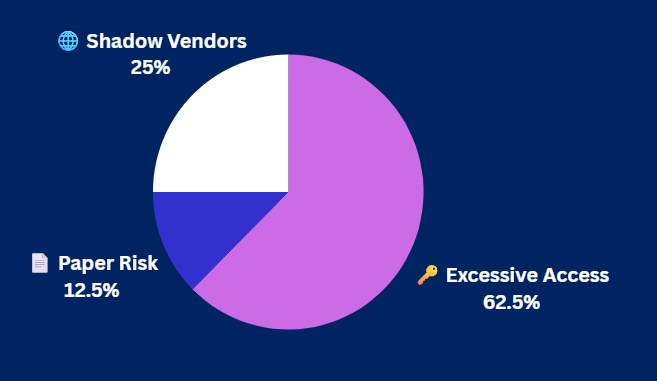
Yesterday's Pulse Check Results |
What’s your weakest third-party link? |
|
|
Security Tools You Can Use |
|
|
Ex-Google Engineer Convicted of AI Trade Secret Theft |
A U.S. jury convicted a former Google engineer of stealing thousands of confidential AI documents to support China-based tech ventures. The stolen files detailed Google’s core AI infrastructure and were taken over a period of months. |
The case is pending sentencing at this time.
Enforce least-privilege access and closely monitor data movement from sensitive AI systems, especially during employee role changes, travel, or off-boarding. |
MongoDB Ransomware Still Targets Open Databases |
Flare researchers continue to see MongoDB ransomware wiping exposed databases and demanding small Bitcoin ransoms years after the tactic first emerged.
These attacks exploit basic misconfigurations, with Flare identifying over 3,100 unauthenticated MongoDB instances online and nearly half already wiped by a single operator. Remove MongoDB from public exposure by blocking port 27017, enforcing authentication and RBAC, and validating backups before attackers exploit misconfigurations. |
|
|
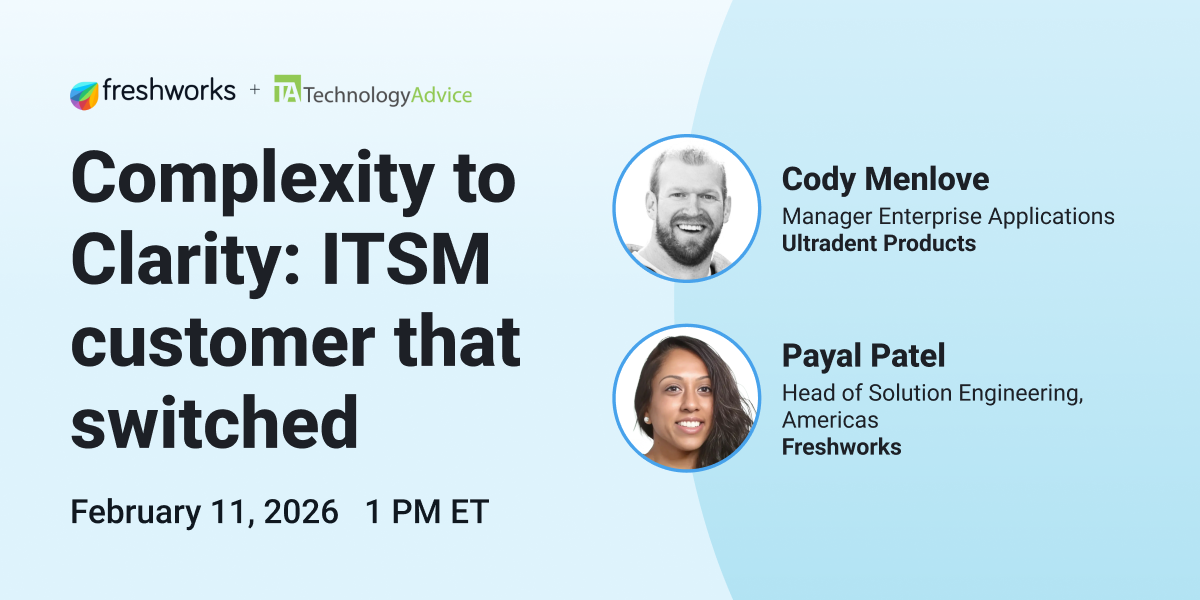
ITSM complexity can slow teams down and limit visibility. Join Complexity to Clarity: ITSM Customer That Switched on February 11 at 1:00 PM ET for a live discussion with Freshworks and Ultradent on moving from legacy ITSM to a modern approach.
The session covers implementation challenges, change management, and how teams evaluate ITSM success. 👉 Join peers shaping the future of ITSM. |
|
|
How exposed is your mobile environment? |
Mobile devices are often the front door to corporate email, cloud services, and sensitive data, which makes them attractive targets for threat actors. As remote work and BYOD expand, gaps in mobile security can quietly erode even well-established enterprise defenses. |
How to lock down your mobile devices: |
-
Enforce MDM with MFA and mobile threat defense to apply security policies, protect credentials, and detect malicious apps or risky device behavior.
- Restrict app permissions and limit access to sensitive data to reduce data loss and abuse on mobile devices.
-
Patch operating systems and apps, and use mobile antivirus when available.
|
Strong mobile security helps protect identities, cloud access, and enterprise data by closing common gaps through consistent controls and ongoing risk monitoring without disrupting users. |
|
|
|
Ken Underhill is an award-winning cybersecurity professional, bestselling author, and seasoned IT professional. He holds a graduate degree in cybersecurity and information assurance from Western Governors University, bringing years of hands-on experience to the field. |
|
|
Cybersecurity Insider is a TechnologyAdvice business |
© 2026 TechnologyAdvice, LLC. All rights reserved. |
TechnologyAdvice, 3343 Perimeter Hill Dr., Suite 215, Nashville, TN 37211, USA. |
|
|
|