Attackers aren’t slowing down — they’re speeding up and slipping in earlier. |
Today, we’ve got emergency fixes for collaboration and DevOps platforms — proof that exploitation often starts before disclosure — and a massive customer leak fueling credential attacks.
Read past newsletters here. |
|
| Here’s what you need to know: |
|
|
Zoom and GitLab Rush Emergency Fixes for High-Severity Flaws |
Zoom and GitLab rolled out emergency patches for flaws that could enable network takeover or outages. Zoom’s CVE-2026-22844 (CVSS 9.9) is a command injection bug that may let a meeting participant run remote commands in affected enterprise deployments.
Meanwhile, GitLab fixed five Community/Enterprise issues, including DoS paths and a potential 2FA bypass that could disrupt CI/CD. |
Source: Unsplash / Pankaj Patel |
This is a continuity problem as much as a security one: collaboration and source control are core infrastructure. And attackers don’t need much time to capitalize once details spread.
Patch Zoom MMR to 5.2.1716.0+ and deploy GitLab’s latest fixes now, then rate-limit and alert on auth/API endpoints for malformed-request spikes. |
Report: Nearly 30% of Exploited Flaws Are Hit Before Disclosure |
Attackers are increasingly beating defenders to the punch: 28.96% of known exploited vulnerabilities (KEVs) in 2025 were exploited before public disclosure or the same day, up from 23.6% in 2024, per VulnCheck’s State of Exploitation 2026.
VulnCheck logged 884 newly exploited vulnerabilities in 2025 (+15% YoY), with network edge devices (firewalls, VPNs, proxies) the most-targeted tech, followed by CMS and open-source software.
Patch edge devices and OS updates first, and assume exploitation can start before a CVE ever hits your queue. |
Under Armour Ransomware Leak Exposes 72M Customer Emails |
Stolen Under Armour customer data linked to a November 2025 ransomware incident has now been published online, including 72 million email addresses, according to Have I Been Pwned.
The Everest gang reportedly stole 343 GB of data, including names, birth dates, locations, and purchase details—perfect for convincing phishing and credential-stuffing attacks. Expect a spike in Under Armour–themed “verification,” delivery, and loyalty-point lures designed to steal logins or payment info.
Reset any reused passwords first, enable MFA, and verify Under Armour notices only by logging in via the official site/app — not message links. |
|
|
If Zoom or GitLab dropped a critical patch today, how fast would your org ship it? |
|
|
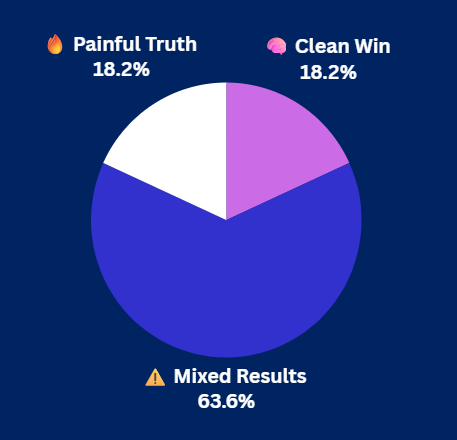
Yesterday's Pulse Check Results |
If you sent a fake “IT password reset” email today… |
|
|
Security Tools You Can Use |
|
|
Cisco Patches Actively Exploited Unified CM and Webex Zero-Day |
Cisco issued fixes for an actively exploited zero-day (CVE-2026-20045, CVSS 8.2) impacting Unified CM, Unity Connection, IM & Presence, and Webex Calling Dedicated Instance.
By sending crafted HTTP requests to the web-based management interface, an unauthenticated attacker could execute OS commands, gain user access, and potentially escalate to root. |
Source: Pexels / Sora Shimazaki
|
For enterprises that rely on Cisco UC as mission-critical infrastructure, this is a fast path from exposed management access to full system compromise and possible lateral movement—serious enough that CISA added it to the KEV catalog with a Feb. 11, 2026 federal patch deadline.
Identify any exposed admin interfaces and apply Cisco’s fixed releases/patch files immediately. |
North Korean Hackers Use AI-Generated Malware to Target Developers |
North Korea–aligned attackers tied to the KONNI group are using AI-written PowerShell malware to compromise developers and engineering teams, disguising malicious code within realistic project requirement documents and PDF lures.
The campaign focuses on blockchain and crypto developers across Asia-Pacific, relying on trust, technical familiarity, and fileless execution to evade detection. Treat unsolicited “product briefs” as phishing. Verify the sender out-of-band and open requirement docs/links only in a sandboxed viewer (or a non-privileged device). |
|
|
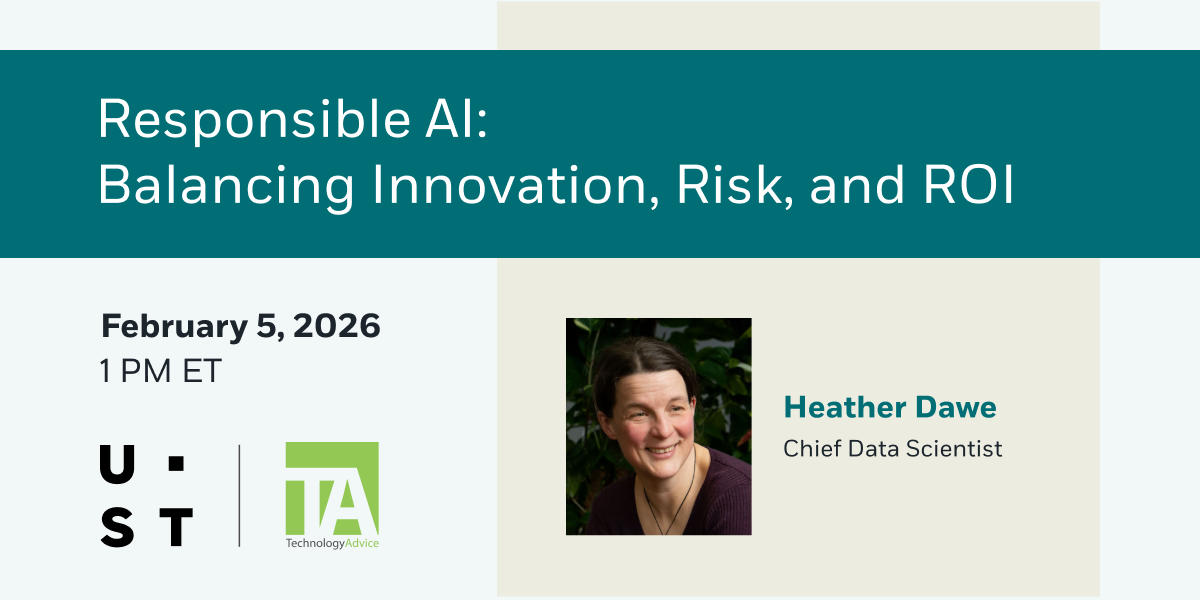
Scaling AI without governance increases risk and uncertainty.
On February 5 at 1:00 PM ET, TechnologyAdvice and UST will explore how enterprises embed responsible AI to unlock value safely. Register today to strengthen your AI foundation. |
|
|
Could a shopping account become your next compromise? |
Retail and consumer shopping sites collect a rich mix of personal data — emails, addresses, order history, and sometimes birthdays and saved payment methods.
When any of that gets exposed, attackers can quickly turn it into convincing “order issue,” “delivery update,” or “loyalty points” messages that trick people into handing over logins or payment info. |
How to reduce your risk while shopping online: |
- Use a unique password for each retailer and enable MFA whenever available to prevent credential stuffing and account takeover.
-
Treat “verify your account” and delivery links as suspicious — navigate to the retailer’s app/site directly instead of clicking embedded URLs.
- Limit what you save in profiles (payment methods, birthdays, phone numbers) so a data leak exposes less usable info.
|
Shopping safety is mostly about minimizing the data you hand over and refusing to trust urgent, brand-themed messages, especially when they ask you to click, log in, or “confirm” details. |
|
|
|
Senior Staff Writer at TechnologyAdvice |
Luis Millares is a seasoned tech writer with broad experience reviewing consumer gadgets and enterprise software, offering clear, reliable insights across the latest in technology. |
|
|
Cybersecurity Insider is a TechnologyAdvice business |
© 2026 TechnologyAdvice, LLC. All rights reserved. |
TechnologyAdvice, 3343 Perimeter Hill Dr., Suite 215, Nashville, TN 37211, USA. |
|
|
|