Attackers are slipping through the cracks.
|
This week’s stories reveal how small gaps in trusted defenses can create outsized risk across web apps, AI systems, and mobile payments. Read past newsletters here. |
|
| Here’s what you need to know: |
|
|
OWASP CRS Bug Lets Encoded Attacks Slip Past WAFs |
A critical OWASP CRS vulnerability allows encoded XSS payloads to bypass web application firewall (WAF) protections. Because CRS is widely used across ModSecurity and Coraza deployments, many environments may unknowingly rely on incomplete inspection caused by chained rules that validate only the final segment of multipart requests.
|
OWASP has patched the issue in its latest version.
Upgrade to the latest OWASP CRS release, verify multipart inspection is active, restrict character encodings to UTF-8, and reinforce WAF and application-layer controls to detect and respond to encoded attack attempts. |
Trend Micro Apex Central Bugs Enable RCE |
Trend Micro patched three Apex Central vulnerabilities that could enable remote code execution or disrupt security operations. CVE-2025-69258 (CVSS 9.8), enables unauthenticated SYSTEM-level code execution, while two others allow remote denial-of-service attacks.
Although no active exploitation has been reported, the flaws are remotely accessible and require no authentication.
Apply the patches, tightly restrict Apex Central’s network access, harden the underlying Windows system, and enhance monitoring. |
AI Infrastructure Hit by Large-Scale Reconnaissance |
Researchers observed over 91,000 attack sessions targeting AI infrastructure, signaling a shift to systematic probing of production environments.
The activity targeted widely used LLM platforms, proxies, and APIs, increasing the risk of misconfiguration abuse and unauthorized access.
Lock down AI infrastructure by restricting outbound access, enforcing least privilege, rate limiting automated queries, and monitoring for abnormal traffic patterns tied to reconnaissance and SSRF activity. |
|
|
How exposed is your AI infrastructure right now? |
|
|
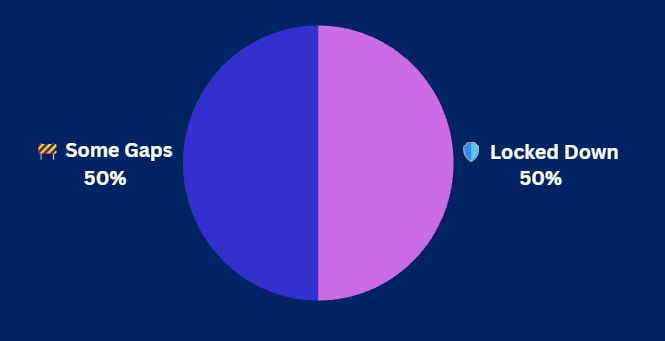
Yesterday's Pulse Check Results |
If a botnet scanned your environment today, what would it find? |
|
|
Security Tools You Can Use |
|
|
Android Malware Turns Phones Into Payment Relays |
Researchers found a new Android attack that turns smartphones into remote payment relays for large-scale financial fraud. Ghost Tapped abuses legitimate NFC payment workflows to make fraudulent transactions appear normal. Group-IB reported at least $355,000 in illicit transactions across multiple countries. |
This is an active campaign in the wild.
Reduce NFC fraud risk by limiting app sideloading, restricting unnecessary NFC use, educating users, and strengthening mobile security and transaction monitoring controls. |
Red Hat Flags Critical Undertow Session Flaw |
A critical Undertow flaw could allow attackers to hijack sessions and access Java applications. Undertow is a core component of platforms such as WildFly and Red Hat JBoss Enterprise Application Platform.
Red Hat warned the issue allows remote attackers to manipulate HTTP Host headers, potentially leading to session compromise and unauthorized access Patch all Undertow deployments immediately, enforce strict Host header validation at the edge, and reduce exposure of affected services through segmentation and WAF monitoring. |
|
|
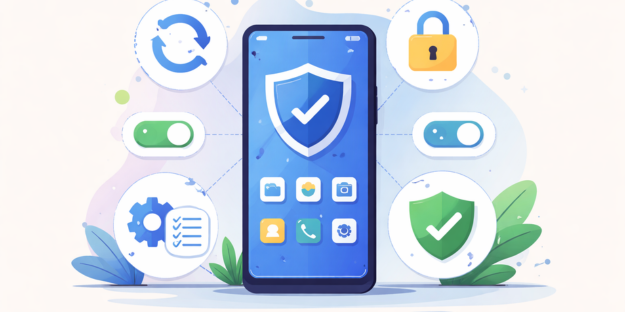
Smart Mobile Security Habits Anyone Can Follow |
Smartphones store sensitive personal, financial, and work information, making them an increasingly common target for cybercriminals. As mobile scams and malware grow more sophisticated, taking a few simple steps can reduce your risk of account compromise, fraud, or data loss. |
How to reduce mobile security risks: |
-
Install and maintain apps safely by using only official app stores, keeping your phone and apps updated, reviewing app permissions regularly, and using reputable mobile antivirus protection.
-
Protect device physical access by enabling a strong screen lock with biometrics or a PIN and turning on Find My Device or similar recovery features.
- Stay alert to mobile scams by avoiding unexpected links, attachments, or messages that pressure you to install apps or share information.
|
Basic mobile security doesn’t require deep technical expertise — just consistent habits. Staying alert, keeping your device updated, and limiting unnecessary access can reduce your risk from common mobile threats. |
|
|
|
Ken Underhill is an award-winning cybersecurity professional, bestselling author, and seasoned IT professional. He holds a graduate degree in cybersecurity and information assurance from Western Governors University, bringing years of hands-on experience to the field. |
|
|
Cybersecurity Insider is a TechnologyAdvice business |
© 2026 TechnologyAdvice, LLC. All rights reserved. |
TechnologyAdvice, 3343 Perimeter Hill Dr., Suite 215, Nashville, TN 37211, USA. |
|
|
|