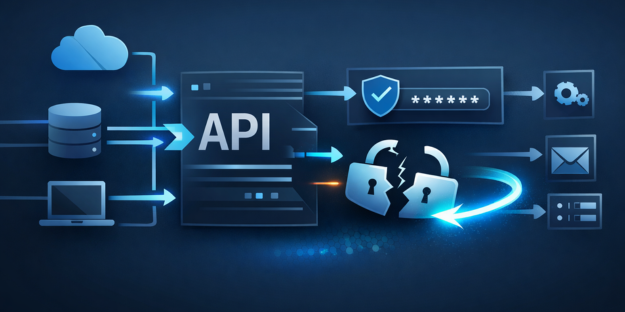
The cracks aren’t where you expect them. |
This week’s threats hide in trusted APIs, familiar libraries, everyday chat apps, and even AI frameworks — quietly turning convenience into access. What looks routine may already be working against you…
Read past newsletters here. |
|
| Here’s what you need to know: |
|
|
IBM API Connect Flaw Lets Attackers Skip Login |
IBM disclosed an API Connect flaw that could let remote attackers bypass authentication and gain unauthorized access. Tracked as CVE-2025-13915, the flaw stems from weaknesses in authentication logic that let crafted requests bypass controls. |
IBM says there is no evidence of active exploitation and they have released a patch.
Patch API Connect immediately, restrict management access, enforce strong identity controls, and monitor for malicious activity. |
Malware Slips into Maven Central via Jackson Lookalike |
Attackers slipped a malicious dependency into Maven Central by impersonating a trusted Jackson library and abusing subtle namespace differences. The threat actors used multi-stage payloads and heavy obfuscation to evade analysis and ultimately deliver Cobalt Strike in Spring Boot environments. The malicious package has since been taken down. Audit and lock down dependencies, secure CI/CD pipelines, and monitor builds and runtimes. |
Apache StreamPipes Bug Hands Admin Control to Attackers |
A newly disclosed Apache StreamPipes flaw lets ordinary users quietly escalate privileges to full administrative control. The risk is high because StreamPipes processes sensitive data and the vulnerability allows attackers to bypass controls by simply manipulating JWT usernames. Apache has released a patch for the issue. Upgrade StreamPipes immediately, rotate JWT keys, restrict admin access, and monitor for suspicious token or privilege changes to reduce takeover risk. |
|
|
How locked down are your API connections? |
|
|
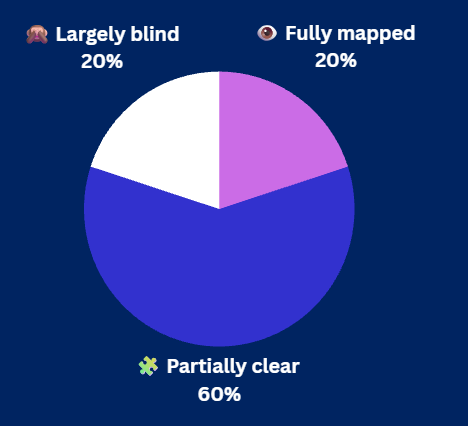
Yesterday's Pulse Check Results |
How visible are your agent permissions? |
|
|
Security Tools You Can Use |
-
Share your thoughts on how AI-driven security will shape autonomous vehicles.
- Stay ahead of evolving threats with security tools designed for today’s attacks.
-
Create your own AI-powered bot with ChatGPT, Python, and Django — now 42% off.
|
|
|
WhatsApp GhostPairing Attack Enables Silent Spying |
Researchers uncovered a WhatsApp attack that lets threat actors silently link their devices and monitor messages without alerts. Called GhostPairing, the attack abuses WhatsApp’s device-linking feature through social engineering. |
By tricking users into entering a pairing code from a malicious link, attackers gain persistent, silent access.
Avoid clicking unsolicited links, never enter pairing codes from external prompts, and regularly review WhatsApp’s linked devices to remove anything unfamiliar. |
LangChain Vulnerability Puts AI Secrets at Risk |
A newly disclosed vulnerability in LangChain has exposed millions of AI-powered applications to potential secret theft and malicious code execution. Flaws in LangChain’s serialization logic allow crafted inputs to be treated as trusted, enabling secret extraction and unauthorized code paths. This issue highlights a broader trust-boundary problem in AI application design. Upgrade LangChain immediately and treat all AI-generated outputs as untrusted input in serialization, logging, and execution workflows. |
|
|
Service management should do more than improve efficiency, it should drive enterprise results. On January 21 at 1:00 PM ET, TechnologyAdvice and Freshworks explore how organizations are breaking down silos and building connected service experiences. Learn what modern service management looks like in practice. Be part of the solution, sign up today. |
|
|
Why Password Managers Matter |
Stolen and reused passwords remain one of the easiest ways attackers compromise accounts, especially as phishing and credential-stuffing attacks increase.
Password managers help reduce this risk by helping users generate, store, and use strong, unique credentials without relying on memory or insecure habits. |
Use Password Managers to Reduce Risk: |
-
Generate and securely store strong, unique passwords in encrypted vaults that sync safely across devices.
- Reduce phishing and account takeover risk by autofilling credentials only on legitimate sites and supporting built-in multi-factor authentication.
-
Improve security visibility by monitoring for breached credentials and prompting timely password rotation.
|
Using a password manager helps reduce the risk that a single stolen password turns into multiple account takeovers. |
|
|
|
Ken Underhill is an award-winning cybersecurity professional, bestselling author, and seasoned IT professional. He holds a graduate degree in cybersecurity and information assurance from Western Governors University, bringing years of hands-on experience to the field. |
|
|
Cybersecurity Insider is a TechnologyAdvice business |
© 2025 TechnologyAdvice, LLC. All rights reserved. |
TechnologyAdvice, 3343 Perimeter Hill Dr., Suite 215, Nashville, TN 37211, USA. |
|
|
|