The attack surface is getting quieter… and wider. |
This week’s signals point to edge devices with no patch, holiday traffic masking reconnaissance, AI tools bending trust boundaries, everyday peripherals turning hostile, and trusted downloads hiding more than they should.
Read past newsletters here. |
|
| Here’s what you need to know: |
|
|
XSpeeder Zero-Day Exposes 70,000+ Devices |
A newly disclosed zero-day in XSpeeder devices exposes over 70,000 internet-facing systems to unauthenticated remote code execution, with no patch available. The bug enables root-level takeover through a single crafted HTTP request, affecting SD-WAN, edge, and industrial devices. |
There are no reports of this being exploited in the wild yet.
Immediately restrict internet exposure, segment networks, block the vulnerable endpoint, and increase logging and hardening to reduce exploit risk and limit blast radius. |
2.5M Malicious Requests Slam ColdFusion Servers |
A holiday-timed campaign sent over 2.5 million malicious requests at Adobe ColdFusion and dozens of other enterprise platforms, peaking on Christmas Day. GreyNoise Labs reported that 68% of ColdFusion traffic hit on the holiday, as attackers used automated reconnaissance to scan 47+ platforms across 767 CVEs.
Block known attacker infrastructure, patch exposed systems, tighten network access, deploy WAF and fingerprint detection, restrict outbound traffic, and review logs for signs of scanning or exploitation. |
Copilot Studio Enables Silent AI Backdoors |
Researchers showed that Copilot Studio’s Connected Agents feature can be abused to create stealthy enterprise backdoors.
Announced at Build 2025, the feature lets AI agents share tools and knowledge but also collapses trust boundaries by default, allowing malicious agents to silently invoke privileged ones without audit visibility.
Audit and restrict Copilot Studio agents, disable Connected Agents where sensitive access exists, enforce tool authentication, limit permissions, and closely monitor logs to prevent silent abuse. |
|
|
AI Trust Reality Check: How visible are your agent permissions? |
|
|
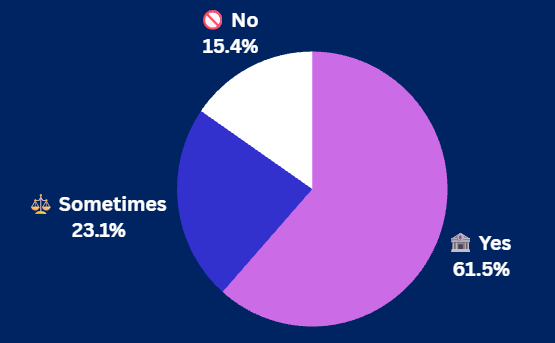
Yesterday's Pulse Check Results |
Should breach compensation be planned in advance? |
|
|
Security Tools You Can Use |
-
Tell us how you see AI-driven security influencing the future of autonomous vehicles.
-
Keep pace with modern attacks using security built for today’s threat landscape.
- Build your own AI-powered bot using ChatGPT, Python, and Django — at 42% off.
|
|
|
Bluetooth Headphones Enable Phone Hijacking |
Researchers revealed critical Bluetooth headphone flaws that enable spying on users and compromising connected smartphones. The flaws affect major brands using Airoha chips and allow attackers in Bluetooth range to hijack phone connections and eavesdrop via chained abuse of the RACE protocol. |
Some vendors have released patches, so check your device to see if a patch is available.
Keep devices updated, remove unused Bluetooth pairings, disable Bluetooth when not needed, and use wired or restricted peripherals for sensitive use cases to reduce wireless attack risk. |
EmEditor Website Delivers Infostealer Malware |
A December 2025 supply chain breach of the EmEditor website led users to unknowingly install infostealer malware.
Downloads were silently redirected to a trojanized installer that appeared legitimate as attackers abused trusted infrastructure to deliver an infostealer with deceptive signing, in-memory PowerShell execution, and persistent browser-based command-and-control. This attack underscores how trusted distribution channels remain a prime target for attackers.
Immediately isolate affected systems, remove malicious artifacts, reset credentials, verify software integrity, and review logs to contain compromise. |
|
|
Secure Your Mobile Devices |
As mobile devices concentrate more authentication, communication, and business functions into a single endpoint, attackers increasingly exploit weaknesses in apps, wireless interfaces, and device configurations to gain access. |
How to lock down your mobile devices: |
-
Keep mobile operating systems updated, install apps only from trusted sources, and limit app permissions to reduce exposure to known and emerging threats.
-
Use strong screen locks, biometrics, device encryption, and remote wipe capabilities to protect data if a device is lost or compromised.
- Disable Bluetooth, Wi-Fi, and other wireless features when not in use to minimize attack surface in public or high-risk environments.
|
As smartphones increasingly serve as access keys, workstations, and identity hubs, securing them has become foundational to protecting both personal and enterprise data. |
|
|
|
Ken Underhill is an award-winning cybersecurity professional, bestselling author, and seasoned IT professional. He holds a graduate degree in cybersecurity and information assurance from Western Governors University, bringing years of hands-on experience to the field. |
|
|
Cybersecurity Insider is a TechnologyAdvice business |
© 2025 TechnologyAdvice, LLC. All rights reserved. |
TechnologyAdvice, 3343 Perimeter Hill Dr., Suite 215, Nashville, TN 37211, USA. |
|
|
|