The threat landscape is moving faster than ever, Digital Defenders. |
This week brings exposed cloud workloads, silent TLS failures, AI-powered browser defenses, bank-cloning phishing kits, and a glimpse into the threats shaping 2026.
Help improve Cyber Security Insider — share your opinion in a quick 60-second survey. |
|
| Here’s what you need to know: |
|
|
600K Domains Open to React Server Attacks |
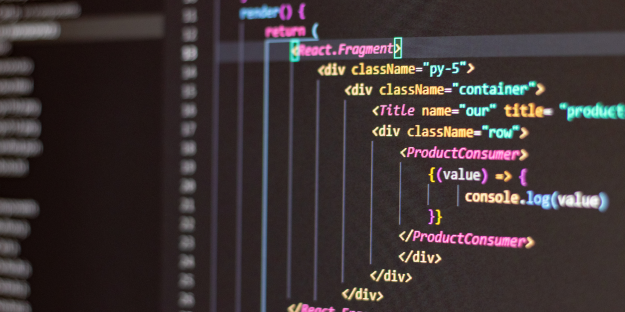
A new Shadowserver analysis shows more than 644,000 domains remain exposed to CVE-2025-55182, a critical React Server Components deserialization flaw already under active exploitation.
Researchers warn that attackers are using malformed RSC payloads to gain remote code execution, steal cloud secrets, and deploy cryptominers or Sliver backdoors. |
A patch has been released for the vulnerability. Patch affected React packages, audit all RSC workloads, harden runtime and network controls, enhance monitoring, and ensure teams rotate exposed secrets and prevent CI/CD from redeploying vulnerable versions. |
Traefik Misconfig Puts Kubernetes Traffic at Risk |
A newly uncovered flaw in Traefik’s ingress-nginx provider silently disabled TLS verification for five months, even when operators had it enabled.
The flaw stemmed from an inverted TLS verification annotation that exposed HTTPS backends to adversary-in-the-middle attacks across Kubernetes clusters, creating broad risk in multi-tenant and hybrid environments. A patch has been released for the issue.
Upgrade to Traefik v3.6.3, audit and enforce secure TLS annotations with RBAC and policy engines, strengthen service-to-service encryption, monitor backend traffic, and update CI pipelines to prevent configuration drift. |
Chrome Deploys AI Shield Against Prompt Attacks |
Google has rolled out a major security upgrade to protect Chrome’s AI-powered browsing features from indirect prompt injection attacks hidden in seemingly benign web content.
Chrome’s new framework pairs an isolated Gemini-based “User Alignment Critic” with strict Agent Origin Sets to control AI actions and access, positioning it to become a web-wide security standard. Until AI agent security matures, enforce origin restrictions and require explicit user approvals for any AI-driven browser automations in enterprise environments. |
|
|
Could You Slip Past Chrome’s AI Defenses? |
|
|
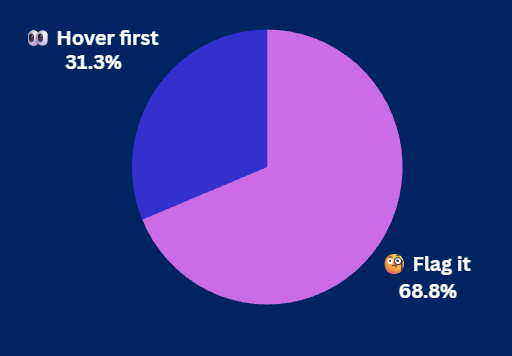
Yesterday's Pulse Check Results |
SharePoint/DocuSign lookalike email arrives — what’s your move? |
|
|
Security Tools You Can Use |
-
Protect your data using tools that identify and stop threats the moment they appear.
- Reveal hidden risks fast with platforms built to spot issues before they escalate.
- If you’ve visited DZone lately, we’d love your feedback in our Community Survey.
|
|
|
Spiderman Kit Supercharges European Bank Phishing |
A newly uncovered phishing kit called Spiderman lets low-skill attackers clone European banking sites in seconds and steal credentials, OTPs, and even crypto seed phrases in real time.
The kit targets users across Germany, Spain, Belgium, Austria, and Switzerland by impersonating banks like Deutsche Bank, ING, and CaixaBank, and its 750-member Signal user base is rapidly scaling credential-theft operations. |
The kit is actively being used in the wild. Use phishing-resistant MFA, strong domain protections, behavioral analytics, brand-monitoring workflows, user education, and threat-intel feeds. |
2026 Security Forecast: AI Threats Take Center Stage |
As I look ahead to 2026, I see cybersecurity entering a new phase where AI influences nearly every part of the threat and defense landscape.
Offensive AI capabilities — automated vuln discovery, LLM-generated malware, and large-scale credential attacks — will accelerate, even as SOCs lean more on AI to filter noise and anticipate attacker behavior. The takeaway: identity, provenance, and endpoint controls must evolve just as fast.
Begin mapping where AI already influences identity, content, and endpoint workflows — then establish controls before attackers exploit those same pathways. |
|
|
Too many tools. Too much complexity. Not enough time.
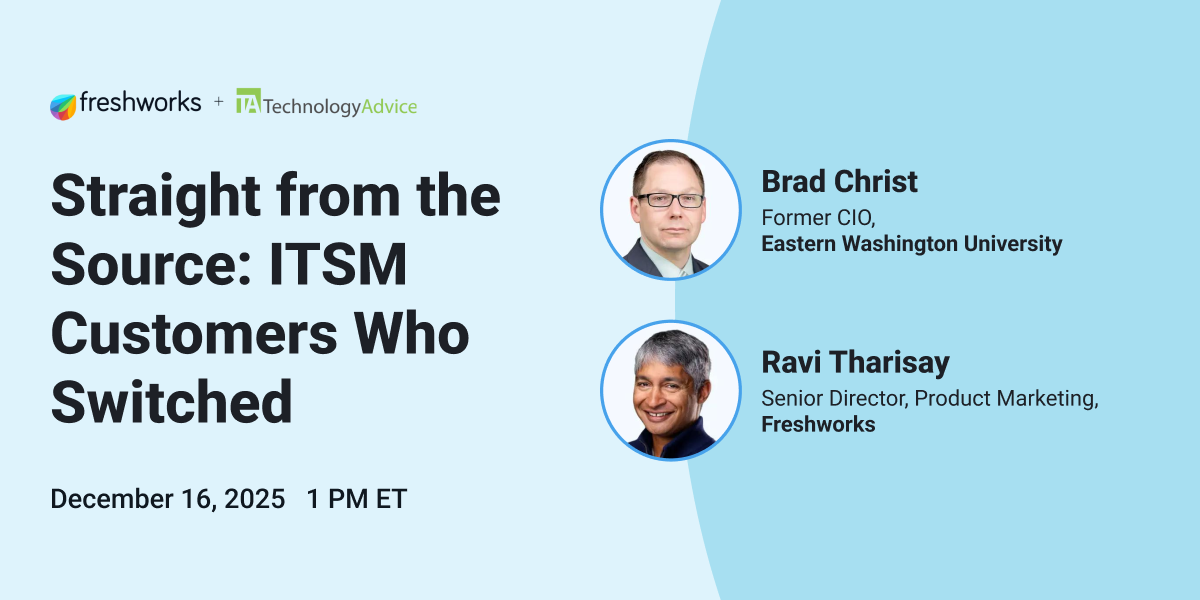
On December 16, 2025, at 1:00 PM ET, join TechnologyAdvice × Freshworks for Straight from the Source: ITSM Customers Who Switched. See how leading IT teams are replacing outdated systems with intuitive, AI-ready platforms built to scale.
Join peers shaping the next era of ITSM. |
|
|
Cybercrime-as-a-Service Fuels Surge in Easy Attacks |
Low-skill attackers are now wielding powerful “as-a-service” cybercrime tools — phishing kits, ransomware, exploitation frameworks, and automated credential harvesters that remove the need for technical expertise.
This shift is accelerating attack volume and shrinking detection windows, making it critical for defenders to harden their environments against commoditized threats. |
How to defend against plug-and-play cybercrime tools: |
- Use phishing-resistant MFA and strong device posture controls to block attackers even when credentials are compromised.
-
Monitor domains, brands, and threat-intel feeds to quickly spot cloned pages, emerging crimeware kits, and attacker infrastructure.
- Apply web isolation and behavior-based detection to contain malicious scripts and flag automation-driven attacks that evade traditional defenses.
|
These steps help reduce the impact of as-a-service cybercrime and keeps your organization better prepared for the growing use of commoditized attack tools. |
|
|
|
Ken Underhill is an award-winning cybersecurity professional, bestselling author, and seasoned IT professional. He holds a graduate degree in cybersecurity and information assurance from Western Governors University, bringing years of hands-on experience to the field. |
|
|
Cybersecurity Insider is a TechnologyAdvice business |
© 2025 TechnologyAdvice, LLC. All rights reserved. |
TechnologyAdvice, 3343 Perimeter Hill Dr., Suite 215, Nashville, TN 37211, USA. |
|
|
|