The threat landscape’s turning up the heat, Digital Defenders. |
Today’s roundup brings browser patches with quiet urgency, espionage crews digging deep into virtual infrastructure, and zero-days racing through the wild before defenders can blink. Even trusted tools aren’t staying trustworthy. Buckle up — the exploits come fast. |
|
| Here’s what you need to know: |
|
|
Chrome 143 Patches High-Risk Flaws in Global Year-End Update |
A Chrome update is landing across desktops worldwide, bringing fixes for thirteen security vulnerabilities — four of them high severity. The flaws affect Chrome’s JavaScript engine, DevTools, updater, and digital credential handling, creating potential paths for remote code execution or session compromise. |
Source: Solen Feyissa/Unsplash |
Additional medium-severity bugs in Downloads, Loader, and V8, plus low-risk issues in WebRTC, Passwords, Media Stream, and Split View, round out the stability improvements. Ensure auto-updates are enabled, upgrade to the latest Chrome version, and audit extension behavior for any anomalous activity. |
WARP PANDA Emerges as Advanced China-Linked Espionage Threat |
A newly identified China-nexus threat actor, WARP PANDA, is conducting sophisticated espionage campaigns across U.S. legal, technology, and manufacturing sectors. CrowdStrike researchers said the group has operated since late 2023, embedding itself in VMware vCenter, ESXi, and hybrid cloud environments for long-term persistence. This is an active campaign in the wild. Prioritize hardening virtualization and identity layers, monitor vCenter logs, restrict hypervisor outbound traffic, and enable real-time detection for unauthorized MFA or token activity. |
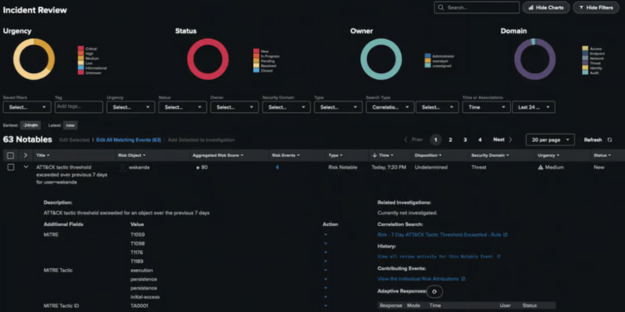
Splunk Windows Flaw Enables Dangerous Local Privilege Escalation |
A Splunk Windows vulnerability allows low-privileged users to overwrite protected files and escalate to SYSTEM due to misconfigured NTFS permissions during installation and upgrades.
The flaw impacts both Splunk Enterprise and Universal Forwarder, granting authenticated users unexpected write access to binaries, configs, and scripts loaded with elevated rights. There are no reports yet of exploitation in the wild and Splunk has released a patch.
Patch Splunk immediately, lock down directory permissions, enforce allow-listing and least-privilege service accounts, monitor for unauthorized changes, validate configs regularly, and segment Splunk systems to limit lateral movement.
|
|
|
If attackers hijack your tools, what do you do first? |
|
|
Yesterday's Pulse Check Results |
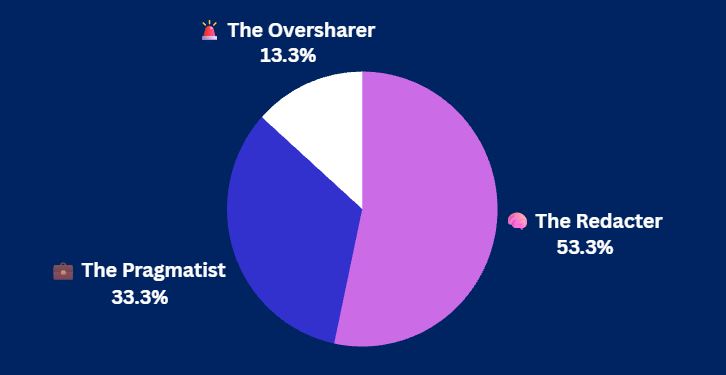
AI Data Handling Persona: Which one are you? |
|
|
Security Tools You Can Use |
-
Uncover critical weaknesses before adversaries do by using vulnerability platforms that surface risks.
-
Strengthen your security posture with tools that detect and block threats before they steal your data.
-
Accelerate your IT career with certifications from A+ to CySA+ through one all-in-one training bundle.
|
|
|
Cacti SNMP Flaw Enables Remote Command Injection Attacks |
A critical Cacti SNMP flaw lets authenticated users execute arbitrary system commands by injecting malicious payloads into the SNMP community field. The flaw, affecting all versions up to 1.2.28, stems from improper input validation in host.php that lets dangerous characters pass into backend command execution. |
Source: George Pagan III/Unsplash |
Because many Cacti servers run with elevated privileges, exploitation can grant attackers full control, alter telemetry, enable lateral movement, and easily launch reverse shells or persistent backdoors.
Patch Cacti immediately, restrict and harden admin access, run it with least privilege, filter and audit SNMP inputs, monitor for suspicious execution, and segment the server to limit lateral movement. |
React2Shell Zero-Day Triggers Rapid, Widespread Exploitation Activity |
A critical React Server Components zero-day was being exploited within hours of disclosure, with China-nexus groups rapidly targeting internet-facing React and Next.js apps.
React2Shell (CVE-2025-55182) enables unauthenticated RCE on Node.js servers running React 19.x or Next.js 15.x/16.x with Server Components, posing immediate operational risk. AWS telemetry shows coordinated exploitation by groups like Earth Lamia and Jackpot Panda in the wild.
Patch immediately, then review logs for suspicious POST requests to /_rsc containing next-action or resolved_model because these are high-fidelity indicators of ongoing exploitation attempts. |
|
|
Secure AI before it's too late
Hidden vulnerabilities and compliance challenges are emerging faster than ever. Uncharted is where industry leaders gather to secure AI's future. Gain expert strategies in nine sessions covering hidden dangers in 24+ frontier models, legal frameworks balancing innovation with responsibility, and proactive defense from top CISOs. |
|
|
Strengthen Your SIEM Before Attackers Do |
SIEM platforms are now prime targets for attackers because they contain critical logs and detection logic. When compromised, they create dangerous blind spots — making strong SIEM security absolutely mission-critical. |
How to harden your SIEM infrastructure: |
-
Enforce strict access controls and segment SIEM components to limit attacker movement and reduce privileged exposure.
-
Encrypt data, validate log sources, and monitor SIEM integrity to prevent tampering, poisoning, or unauthorized changes.
- Keep your SIEM fully patched and updated to close vulnerabilities before attackers can exploit them.
|
Locking down your SIEM through strong access, segmentation, and integrity controls protects the core of your detection program. |
|
|
|
Ken Underhill is an award-winning cybersecurity professional, bestselling author, and seasoned IT professional. He holds a graduate degree in cybersecurity and information assurance from Western Governors University, bringing years of hands-on experience to the field. |
|
|
Cybersecurity Insider is a TechnologyAdvice business |
© 2025 TechnologyAdvice, LLC. All rights reserved. |
TechnologyAdvice, 3343 Perimeter Hill Dr., Suite 215, Nashville, TN 37211, USA. |
|
|
|