Cue the corporate cage match, Tech Insiders.
Mega-mergers, mega-chips, and mega-leaks are squeezing the tech world into a handful of supersized fists. Strap in as streaming empires, AI armies, and silicon side hustles throw elbows for control of your screen time. |
|
|
Here's what you need to know today: |
|
|
Netflix's $72 Billion Warner Bros. Takeover Shakes Hollywood |
So much for "Netflix and chill"... it's now "Netflix owns it all."
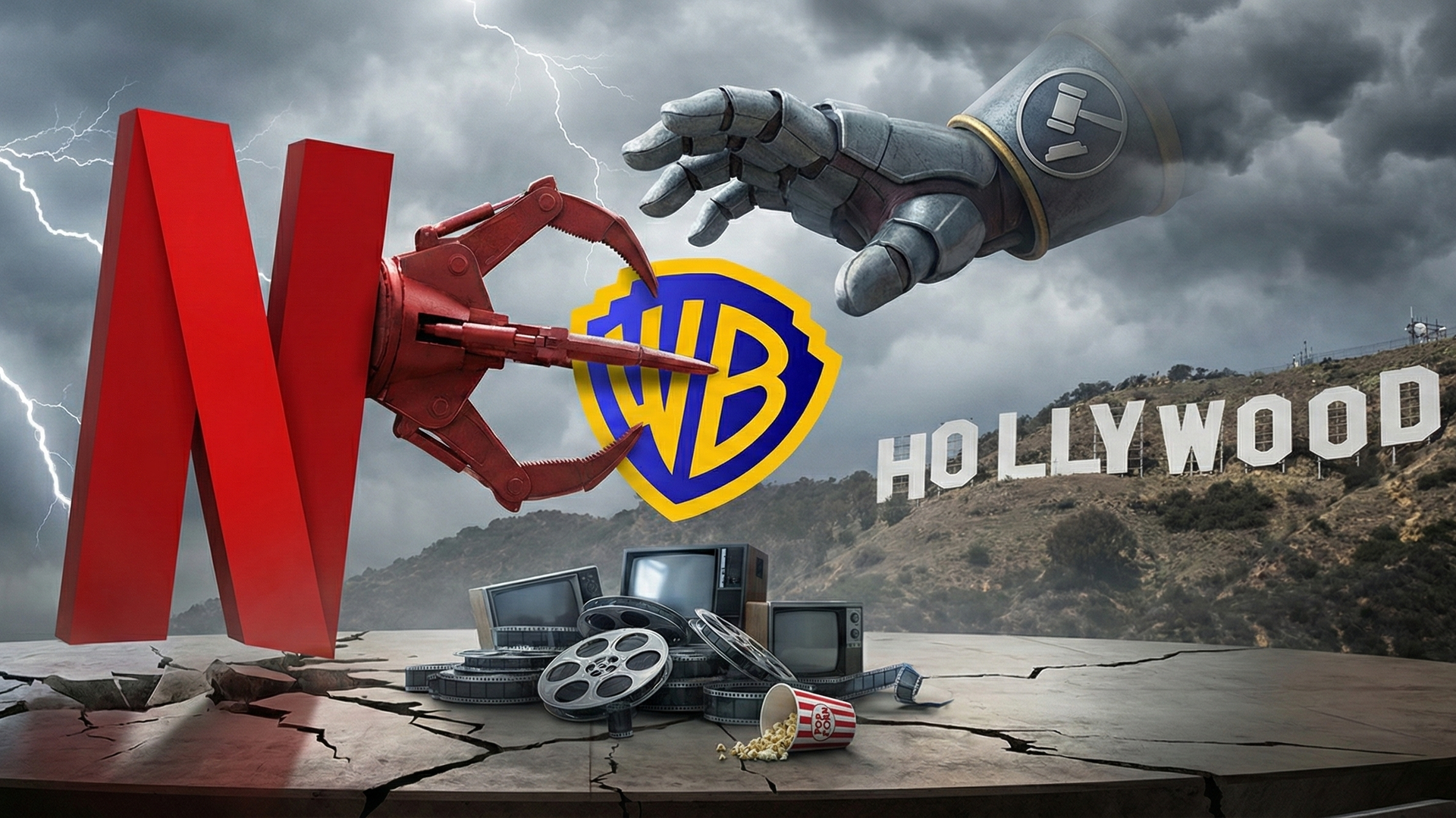
Netflix stunned Tinseltown on Friday by agreeing to acquire the scripted soul of Warner Bros. Discovery (WB Studios, HBO, and DC) for $72 billion ($82.7 billion including debt). Crucially, the "unscripted" baggage (CNN, Discovery, and TNT Sports) gets spun off into a standalone Discovery Global, leaving Netflix to corner prestige TV.
Regulators are hyperventilating: President Trump, fresh off a mid-November Oval Office meeting with co-CEO Ted Sarandos, told reporters Sunday the "very big market share ... could be a problem" and promised he'll be "involved." Sen. Elizabeth Warren agrees, calling the combined one-third US streaming share (above the DOJ's 30% red line) an "anti-monopoly nightmare."
|
Image created with Nano Banana Pro |
Theatrical purists are apoplectic. While Netflix vows to honor cinema runs, insiders warn exclusivity windows could shrink to a measly two weeks, a claim deal insiders flatly deny. Still, an anonymous group of A-list producers petitioned Congress, claiming the deal puts a "noose around the theatrical marketplace."
Unions are lining up: The Writers Guild of America says the merger "must be blocked," while the Directors Guild of America and Cinema United say it raises "significant concerns." Even Wall Street was blindsided—Citi analyst Jason Bazinet had pegged this tie-up at just "a 5% likelihood" in his pre-deal models.
Why it matters: Your streaming bill and popcorn nights hinge on whether regulators let Netflix mash two empires into one super app. If Washington blows it up, Netflix must wire Warner $5.8 billion in breakup cash; if it sails through, Netflix gets Batman and Westeros, and you get fewer places to cancel and likely a larger monthly bill.
|
|
|
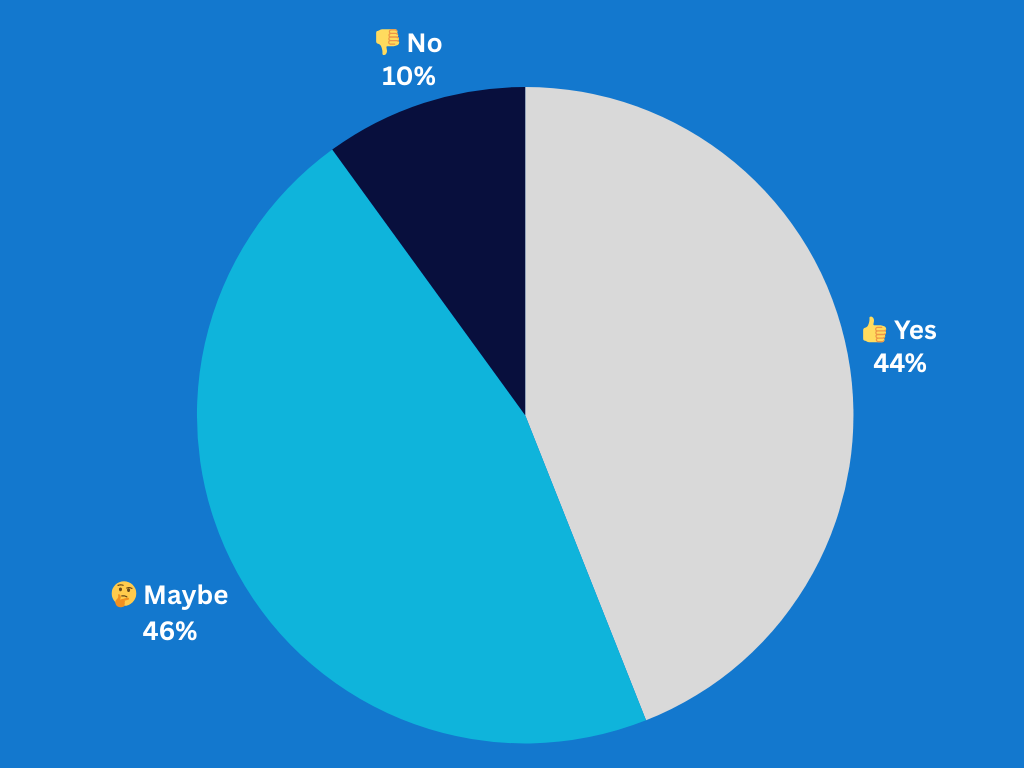
Biggest fear if Netflix owns Warner Bros.? |
|
|
Results from Friday's Pulse Check |
Is Meta wise to downsize its metaverse push? |
|
|
Meta Re-Ups News: AI Bot Gets Licensed Feeds |
Turns out you can teach an old social network new links.
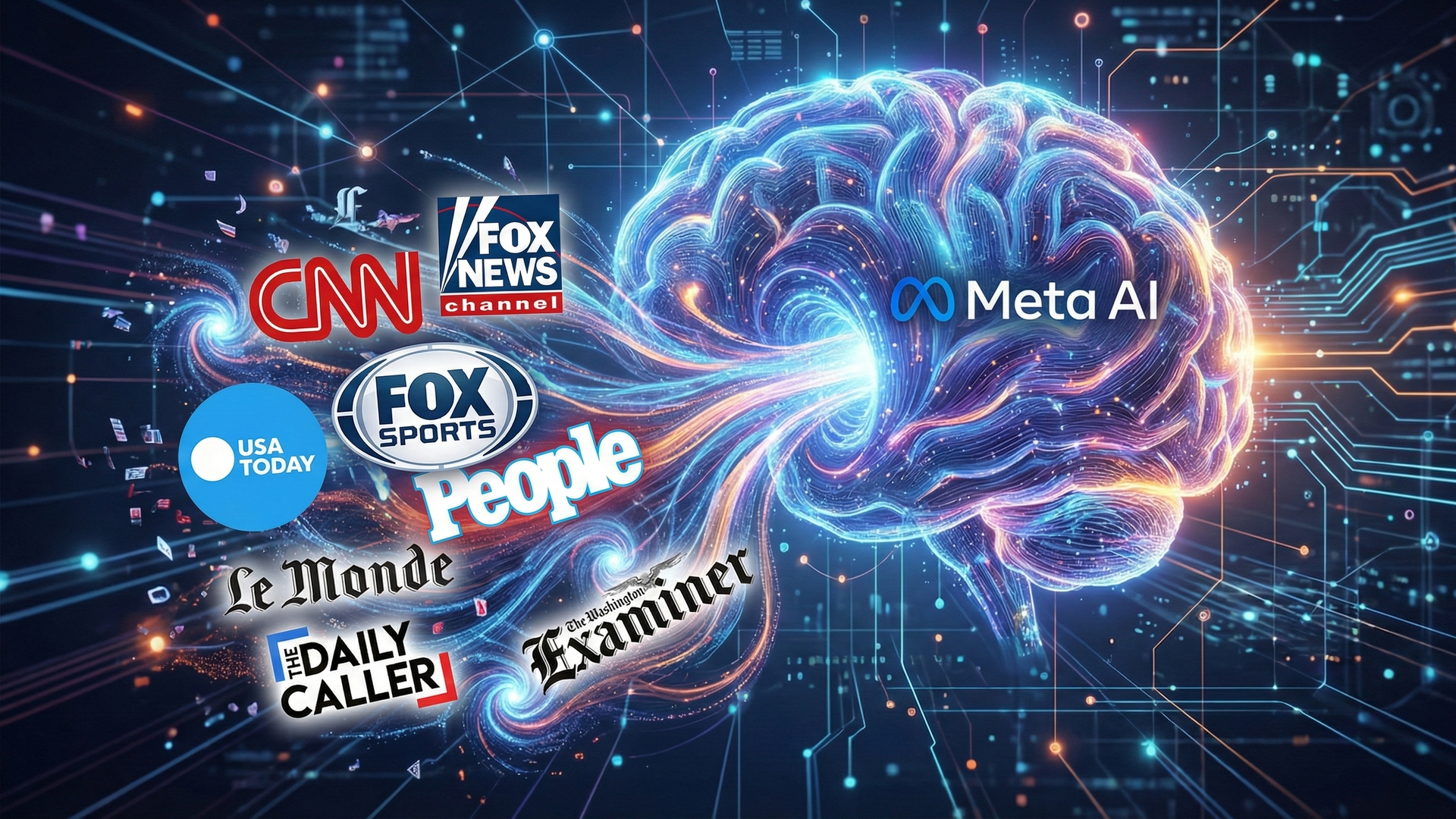
Meta just inked multiyear licensing pacts with CNN, Fox News, Fox Sports, USA Today, People Inc., Le Monde Group, The Daily Caller, and The Washington Examiner, piping their real-time headlines straight into the Meta AI chatbot that lives inside Facebook, Instagram, WhatsApp, Messenger, and the standalone Meta AI app.
When users ask newsy questions, the bot will now cite and link to those outlets, making it as easy to tap through as it is to double-tap a Reel. |
Image created with Nano Banana Pro
|
|
|
ASUS Supplier Hack Spills Phone-Camera Code |
Everest ransomware claims it swiped a one-terabyte trove of internal camera firmware, AI models, and debug logs from the PC giant. It also alleges, without ASUS confirmation, that ArcSoft and Qualcomm files are in the mix.
ASUS admits the intrusion but insists it was a vendor breach confined to phone camera source code, with no impact on products or customer data. |
Image created with Nano Banana Pro |
Still, with bidding for the data starting at $700,000, security pros warn that leaked firmware is a road map for driver-level exploits.
ASUS says it's strengthening supply-chain defenses as the laptop maker faces fresh scrutiny following last month's router botnet flap. Lens flare is one thing, source-code glare is another. |
Big Tech's Shadow Web for Training AI Agents |
Silicon Valley startups are quietly cloning consumer sites, turning Amazon into "Omnizon," Gmail into "Go Mail," and United Airlines into "Fly Unified," for clients like Google and OpenAI so models can click, scroll, and buy without nuking real users.
The sandbox approach sidesteps bot blockers as the agentic-AI market rockets to $47.1 billion by 2030 (though Gartner warns 40% of projects will flame out by 2027). Researchers say replicas let small models nearly match giants, while cloud providers bet browsers are the next command line.
Legal gray zones linger—United Airlines lawyers are already prowling—but the training wheels are clearly off. Fake it till the bots make it. |
Alphabet's TPUs: The $900 Billion Side Hustle |
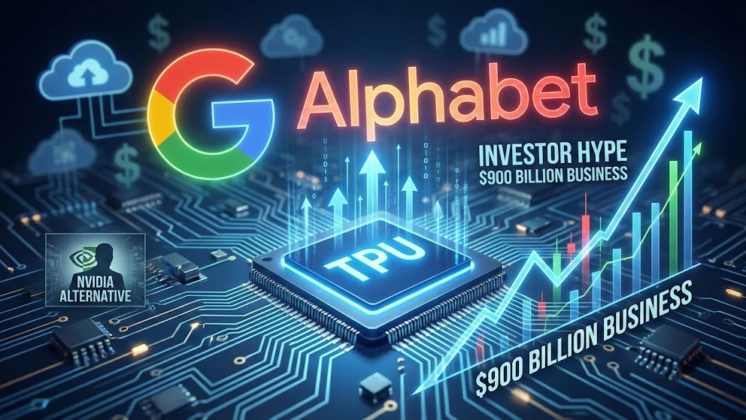
Image created with Nano Banana Pro |
Recent multibillion-dollar deals with Anthropic and reported talks with Meta validate demand for the cheaper, ASIC-style accelerators that promise relief from Nvidia sticker shock. Morgan Stanley estimates that every 500,000 TPUs shipped could add $13 billion to 2027 revenue.
But the "Anyone But Nvidia" club is getting crowded: AWS just unveiled its Trainium3 UltraServer, boasting 4x speed gains and the ability to knit 1 million chips into a single training cluster. Alphabet's Gemini model, tuned for TPUs, fuels optimism, though regulators and Nvidia's CUDA moat loom large. For now, Wall Street sees secret sauce—and maybe a new cash cow—on those silicon wafers. Move over, ads; chips want their cut. |
|
|
|
Writer at TechnologyAdvice |
Justin Meyers is an investigative writer and editor who draws on over a decade of meticulous hands-on research to deliver the full, trustworthy story behind consumer and enterprise tech, including cybersecurity. |
|
|
Curious about where AI is really headed? |
The Neuron cuts through the noise to bring you smart, hype-free takes on the latest AI trends, tools, and breakthroughs. Join 500,000+ professionals from top companies like Microsoft, Apple, Salesforce and more.
|
|
|
Advertise in Daily Tech Insider! Daily Tech Insider is a TechnologyAdvice business
© 2025 TechnologyAdvice, LLC. All rights reserved. TechnologyAdvice, 3343 Perimeter Hill Dr., Suite 215, Nashville, TN 37211, USA. |
|
|
|