The threat landscape isn’t slowing down, Digital Defenders. |
This week brings AI agents turning on their pipelines, a gambling empire with APT footprints, critical RCE in React, breached dealership data, and a shopping app acting more like spyware. And that’s just what made the surface. |
|
|
Here’s what you need to know:
|
|
|
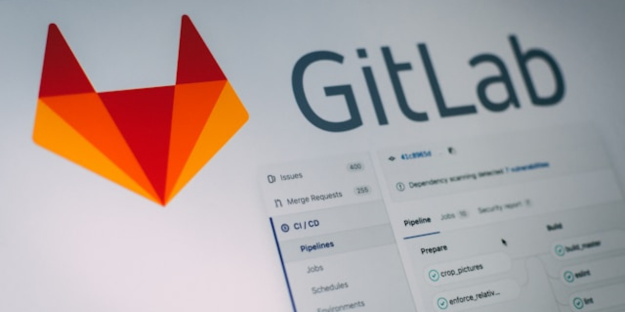
AI agents expose CI/CD pipelines to prompt injection risk |
A new class of attacks threatens GitHub Actions and GitLab pipelines, showing how AI agents can be prompt-injected to leak secrets or alter repositories. Several Fortune 500 firms have already been impacted, showing how fast this threat has shifted from theoretical to real. |
Source: Pankaj Patel/Unsplash |
This is an ongoing threat in the wild.
Tighten AI agent permissions, restrict untrusted triggers, sanitize inputs, validate outputs, limit token exposure, and continuously monitor workflows. |
Indonesia’s gambling network shows signs of APT-level threat activity |
New research suggests Indonesia’s sprawling gambling ecosystem — once dismissed as routine cybercrime — may actually be a decade-long, state-aligned cyber operation.
Malanta analysts uncovered 328,000 domains, hijacked government subdomains, malicious apps, and staged cloud assets — activity matching the scale and persistence of APAC APT groups.
Audit your DNS, cloud assets, and abandoned subdomains for takeover paths, and block look-alike or impersonation domains in your threat intel pipeline before they become active attack vectors. |
React2Shell flaws expose millions of React apps to RCE |
Two new React and Next.js vulnerabilities enable unauthenticated remote code execution across millions of apps, even in default setups and without user interaction. Both flaws are rated with a CVSS of 10.0 and impact multiple React server packages and all modern Next.js releases.
Researchers warned that while broken AI-generated PoCs dominate social media, real exploits are being developed privately, creating a false sense of security for defenders.
Patch vulnerable React components, enforce least-privilege access, monitor RSC payloads for anomalies, and harden CI/CD pipelines with strict input validation and zero-trust segmentation. |
|
|
AI Data Handling Persona: Which one are you? |
|
|
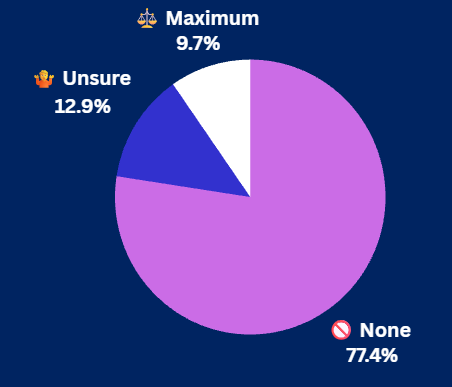
Yesterday's Pulse Check Results |
How much government access to user data is acceptable? |
|
|
Security Tools You Can Use |
-
Boost your defenses by choosing tools that identify and stop threats before they land.
- Advance your IT career and earn certifications from A+ to CySA+ with a single comprehensive training bundle.
- Expose hidden weaknesses ahead of attackers by assessing vulnerability platforms that reveal risks fast.
|
|
|
700Credit breach exposes dealership PII and triggers FTC action |
A breach at 700Credit exposed names, addresses, and Social Security numbers from the 700Dealer[.]com application layer, triggering a coordinated response from federal authorities and NADA. While internal systems were untouched, the exposure of unencrypted PII sparked questions about whether thousands of dealerships must file FTC notices. |
The FTC approved a consolidated filing from 700Credit, reducing that burden for dealers, though state-level reporting requirements still apply.
Review vendor data flows and confirm whether third parties handle unencrypted PII; ensure your dealership or enterprise maintains its own incident notification playbook rather than relying solely on vendor-led disclosures. |
Arizona lawsuit accuses Temu of covert device data harvesting |
Arizona’s attorney general has sued Temu, alleging the app secretly harvests sensitive device data, deceives consumers, and counterfeits major Arizona brands.
The complaint alleges Temu operates more like spyware than a retailer, accessing geolocation, camera and microphone data, app activity, and self-modifying encrypted code. It highlights the growing risks of consumer apps with opaque data practices governed by foreign surveillance laws.
Add high-risk consumer apps like Temu to MDM blocklists and routinely audit mobile permissions to ensure work devices aren’t silently exposing sensitive corporate data. |
|
|
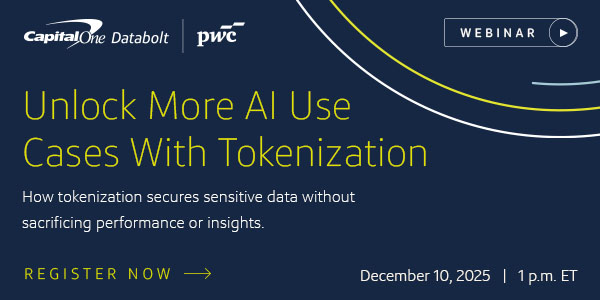
A recent PwC study found that AI models trained on tokenized data predicted outcomes with almost two times the accuracy of models that were trained on masked data. To learn how tokenization can secure data to optimize your AI strategy, register for the webinar today.
|
|
|
How secure is your data in the age of AI? |
AI adoption is accelerating across workplaces, but so are risks tied to data leakage, over-permissive tools, and shadow AI usage. Large language models can unintentionally expose or retain sensitive data, making it essential to protect information before it ever reaches an AI system. |
Source: Andrea De Santis/Unsplash |
How to secure your organization’s AI usage: |
-
Establish AI usage policies and use redaction or input-filtering tools to prevent sensitive data from entering prompts.
-
Deploy enterprise-grade AI platforms with strong access controls, scoped API keys, and detailed logging to limit exposure.
-
Monitor for shadow AI applications and unauthorized data flows to catch risky usage before it causes a breach.
|
Protecting data in the age of AI demands strong guardrails, enabling organizations to leverage its benefits while keeping sensitive information secure. |
|
|
|
Ken Underhill is an award-winning cybersecurity professional, bestselling author, and seasoned IT professional. He holds a graduate degree in cybersecurity and information assurance from Western Governors University, bringing years of hands-on experience to the field. |
|
|
Cybersecurity Insider is a TechnologyAdvice business |
© 2025 TechnologyAdvice, LLC. All rights reserved. |
TechnologyAdvice, 3343 Perimeter Hill Dr., Suite 215, Nashville, TN 37211, USA. |
|
|
|