Fold your expectations, Tech Insiders.
Phones are impersonating tablets, clouds are moving into basements, and chatbots are sharpening their sales pitches. Snap along the seams—today's newsletter is all about tech that bends rules (and maybe privacy policies). |
|
|
Here's what you need to know today: |
|
|
Samsung's Galaxy Z TriFold Unfolds Into a 10-Inch Tablet |
Samsung just gave origami lessons to your smartphone.
Samsung's new Galaxy Z TriFold isn't shy about showing off: two inward hinges snap open to reveal a 10-inch Dynamic AMOLED workspace. While it collapses to a manageable 12.9 millimeters (~0.51 inches) thick, don't expect it to disappear in your pocket. At 309 grams (~11 ounces), it's a verified brick compared to your average iPhone.
Under the hood, the Snapdragon 8 Elite for Galaxy, 16 GB of RAM, and a 200 MP camera promise flagship muscle, while a three-cell 5,600 mAh battery spans each panel to balance power. |
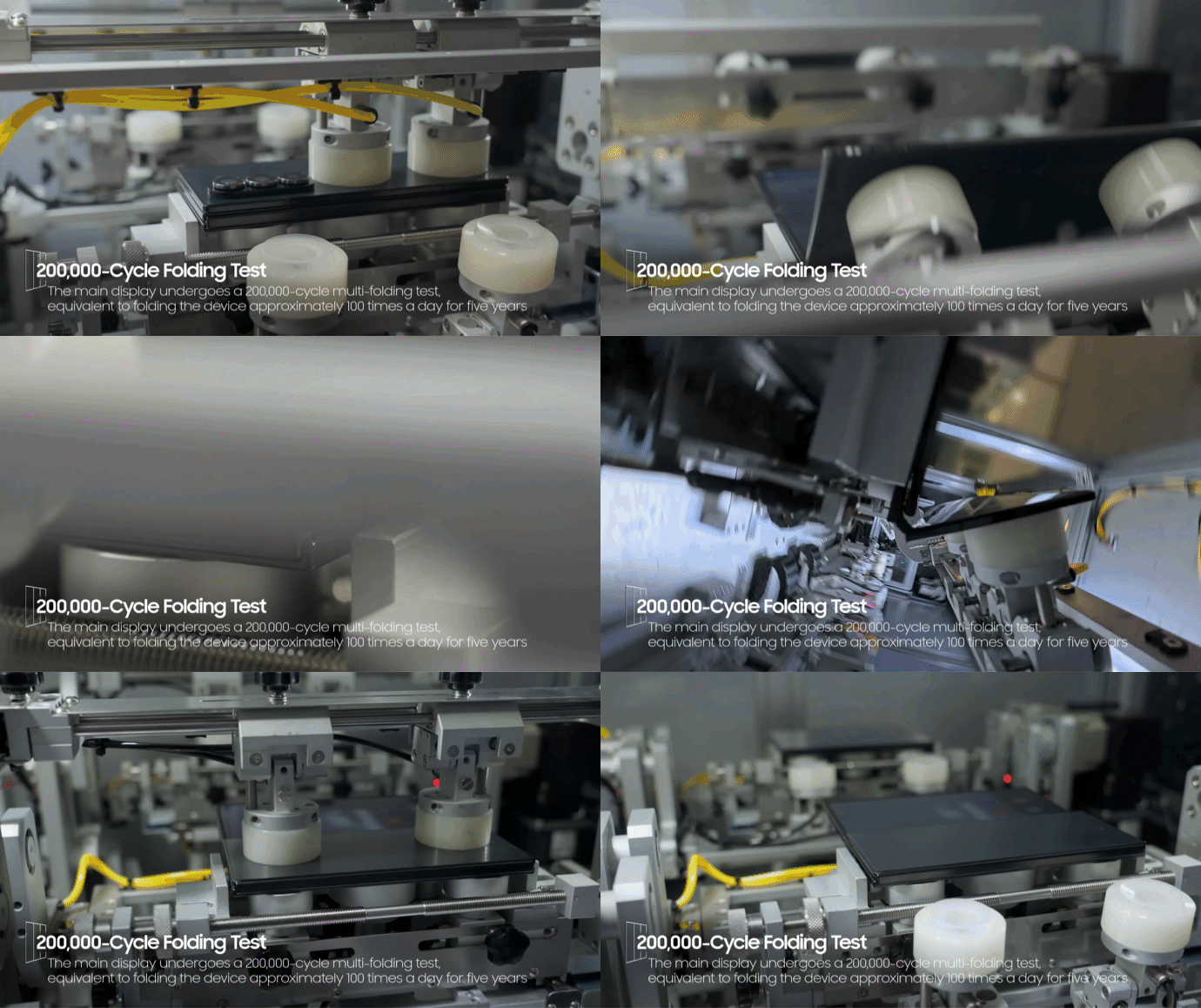
Durability (always the foldable's Achilles' hinge) gets an upgrade with a titanium housing and an IP48 rating. That handles water fine, but keep it away from lint and beach sand (it's not dust-tight). Samsung even CT-scans circuit boards to catch misalignments before your thumbs do. On the software side, standalone DeX turns the TriFold into a mini four-desktop workstation, and Google's Gemini Live scans whatever's in view to offer real-time suggestions. Launch begins Dec. 12 in South Korea, priced at 3.59 million won (~$2,445), with US shelves slated for Q1 2026.
Competing foldables from Huawei, Xiaomi, and a rumored Apple entry mean Samsung's daring design could define the next battleground in pocketable productivity.
Why it matters: If a laptop feels bulky and tablets drain your bag, a phone-to-tablet transformer could finally hit the Goldilocks zone—assuming your budget can survive the nearly $2,500 sticker shock and your pants can hold the weight. |
|
|
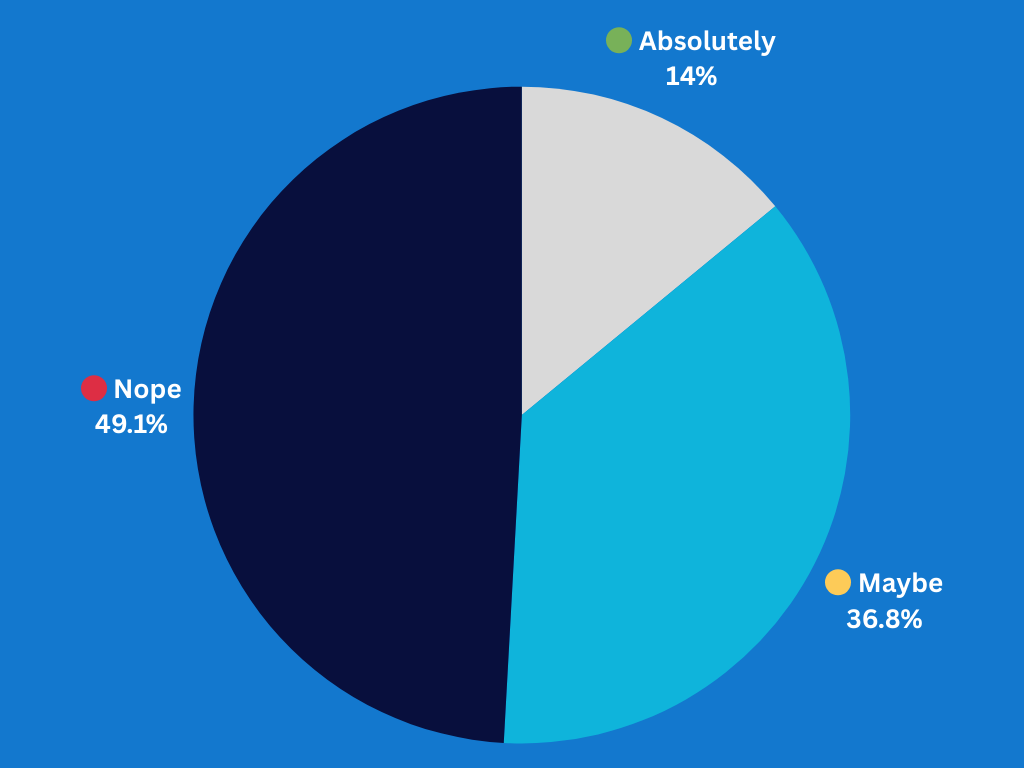
Would you trade both your laptop and phone for a $2.5K trifold that wants to replace them? |
|
|
Results from Yesterday's Pulse Check |
Will AWS-Google cross-cloud links ease your multicloud headaches? |
|
|
AWS Unveils Trainium3, Nova Forge, AI Factories |
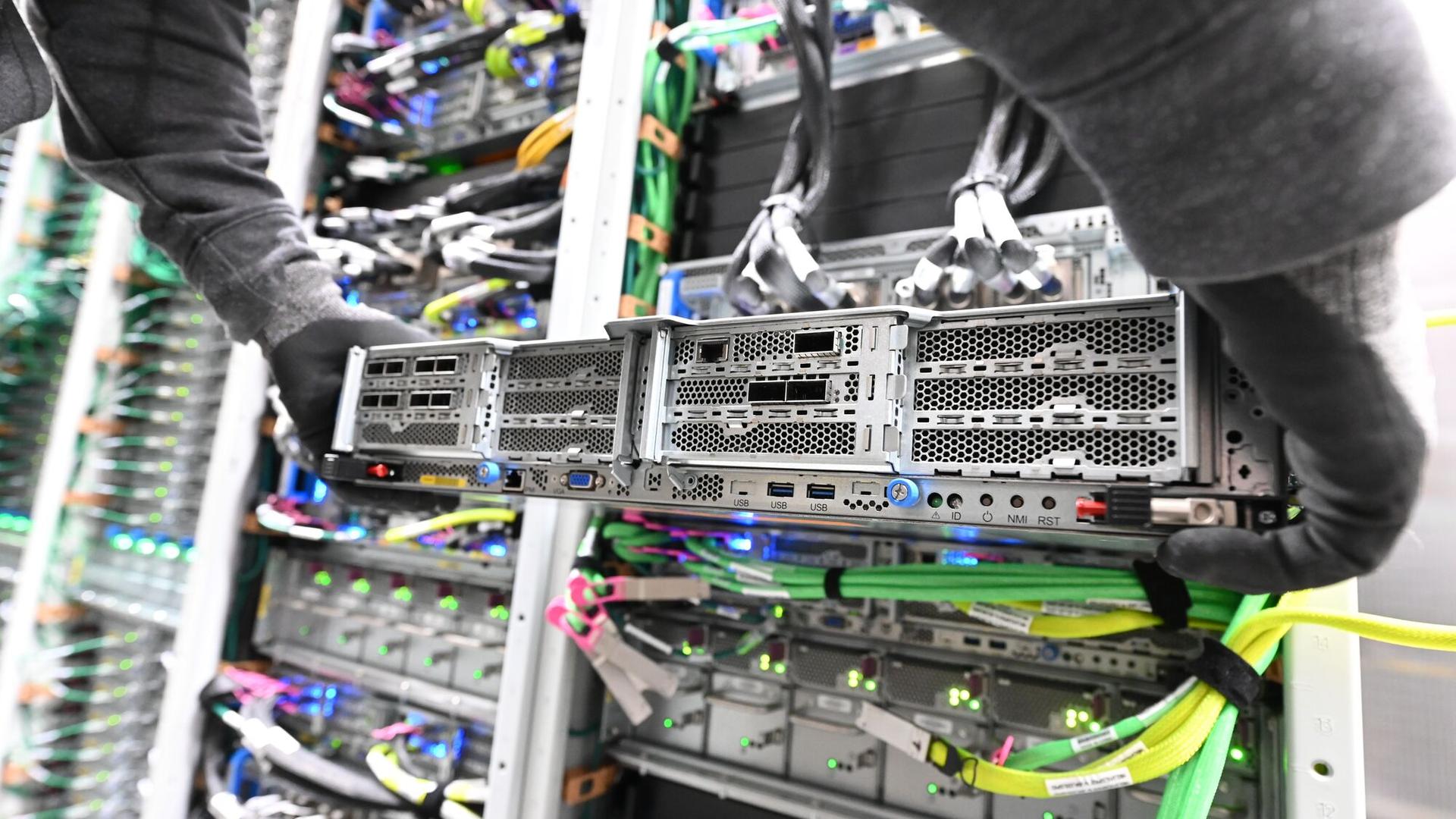
Meanwhile, AI Factories let enterprises (and governments) install AWS-managed clusters, complete with Nvidia GPUs and Trainium, inside their own data centers; Saudi startup Humain is already building a 150,000-chip "AI Zone."
On the software side, Amazon introduced Nova 2 Lite, Pro, and the multimodal reasoning model Nova 2 Omni. It also launched Nova Forge, a $100K-per-year "open training" service that lets customers blend their proprietary data during pretraining, not just fine-tuning. Early testers like Hertz say custom Nova models accelerated development velocity by 5 times.
AWS also rolled out three frontier agents—Kiro (coding), Security Agent, and DevOps Agent—designed to work autonomously for days, and it added 18 open-weight models to Bedrock alongside S3 Vectors' two-billion-vector scale.
The bookstore that became a cloud giant is now shipping whole AI factories. |
|
|
YouTube Deepfake Shield Spurs Biometric Backlash |
Image created with Nano Banana Pro |
Privacy experts warn this biometric footage technically falls under Google's general policy allowing public content to train its AI models and are explicitly advising clients not to sign up.
Google insists it has never used the data for training and says clearer wording is coming, though it confirmed the actual policy isn't changing. The catch: You can stop your twin from pitching crypto or miracle supplements, but you have to feed the AI beast to do it. |
Coupang Breach Puts 34 Million Carts at Risk |
Leaked Code Hints at ChatGPT Ad Invasion |
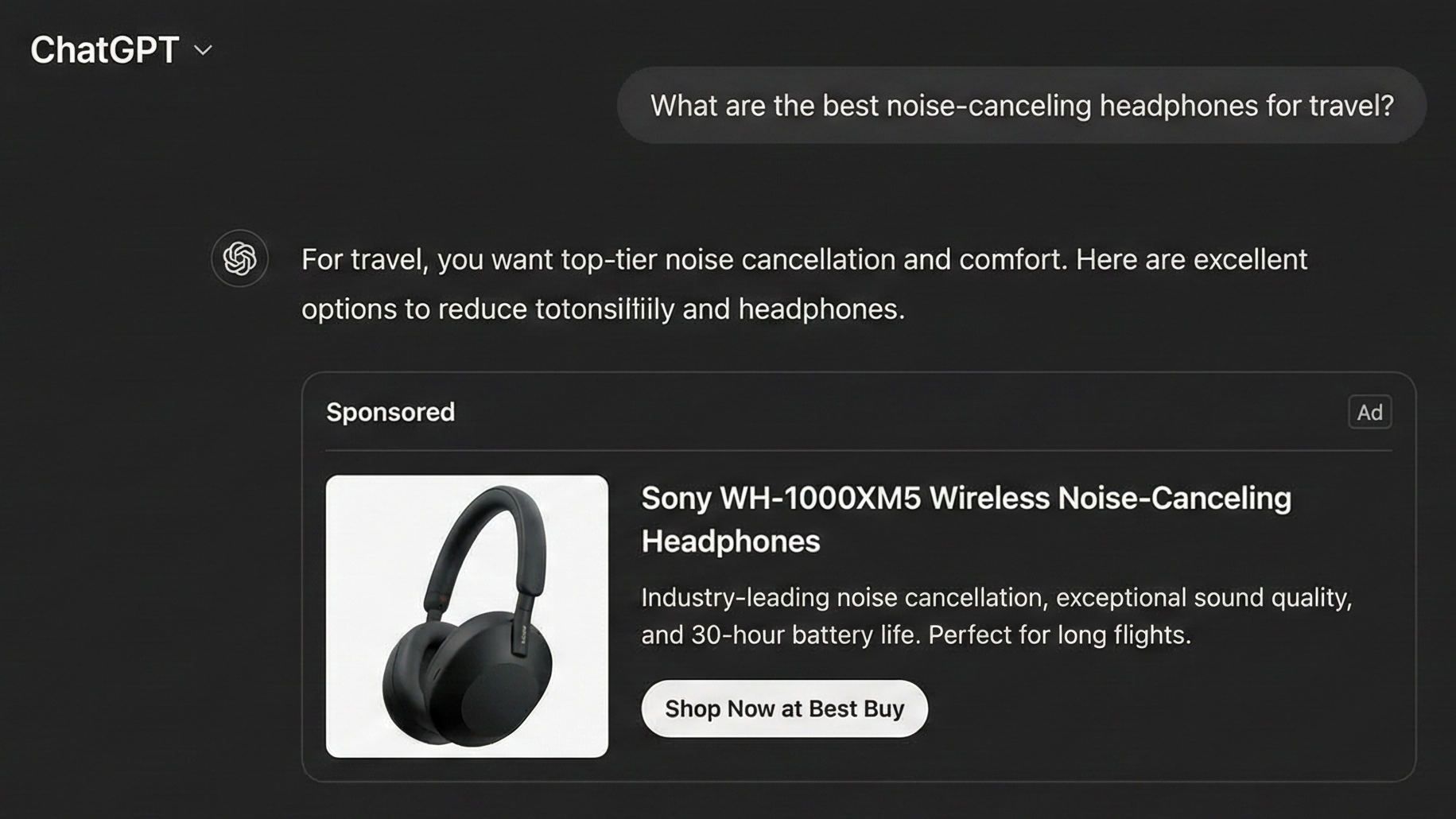
A sharp-eyed engineer, Tibor Blaho, poking through a recent ChatGPT beta app for Android, found strings like "search ad," "bazaar content," and "ads carousel," signalling OpenAI is wiring ChatGPT for sponsored answers.
The code suggests ads will likely appear only on search-style or shopping queries, letting the free tier pay its own inference bills. |
Image created with Nano Banana Pro |
The discovery lands after a week of app "suggestions" that looked suspiciously advert-ish. For example, ChatGPT randomly pitched Peloton to a $200/month "Pro" subscriber during a Musk discussion.
OpenAI swore no money changed hands (calling it a clumsy "app discovery" test), yet the faux pas shows how messy blending commerce and conversation can be.
CEO Sam Altman once called ads a "last resort," but with a recent hiring spree of ex-Meta advertising talent and soaring GPU costs, new revenue is unavoidable.
Industry watchers expect transparent labeling and opt-outs to placate regulators; rivals like Google and Perplexity are already selling space in their AI overviews. That means your chatbot's next answer may come with a subtle "Sponsored" tag. Soon, even your existential questions might trigger a coupon. |
|
|
|
Writer at TechnologyAdvice |
Justin Meyers is an investigative writer and editor who draws on over a decade of meticulous hands-on research to deliver the full, trustworthy story behind consumer and enterprise tech, including cybersecurity. |
|
|
Curious about where AI is really headed? |
The Neuron cuts through the noise to bring you smart, hype-free takes on the latest AI trends, tools, and breakthroughs. Join 500,000+ professionals from top companies like Microsoft, Apple, Salesforce and more.
|
|
|
Advertise in Daily Tech Insider! Daily Tech Insider is a TechnologyAdvice business
© 2025 TechnologyAdvice, LLC. All rights reserved. TechnologyAdvice, 3343 Perimeter Hill Dr., Suite 215, Nashville, TN 37211, USA. |
|
|
|