The cyber frontlines are heating up, Digital Defenders. |
This week brings leaked AI secrets, holiday fraud fueled by automation, and zero-days lurking in everyday tools. Innovation’s moving fast, but so are the attackers. |
|
|
Here’s what you need to know: |
|
|
AI Firms Leak Secrets in Race for Innovation |
Wiz Security researchers found that 65% of top AI companies were leaking sensitive secrets on GitHub. Leaked API keys, tokens, and credentials hidden in forks and dev repos exposed private AI models and training data. |
The AI companies that Wiz analyzed have not yet responded to the findings.
Enable automated secret scanning, enforce secure developer practices, and adapt detection tools to catch AI-specific credentials before they leak. |
Zoom Flaw Lets Local Users Escalate Privileges on Windows |
A newly disclosed vulnerability in the Zoom Workplace VDI Client for Windows could allow attackers with local access to gain administrative control.
A signature verification flaw lets attackers inject fake components, gain SYSTEM access, and spread malware across networks. Zoom has released a patch for the vulnerability. Patch Zoom immediately, enforce least privilege, and deploy only verified software through centralized, monitored installation processes. |
AI-Driven Holiday Fraud Surges Ahead of Peak Season |
Holiday fraud campaigns are kicking off earlier than ever, with attackers using AI and automation to launch large-scale scams before Black Friday. KasadaIQ reports a surge in AI-driven fraud — retail attacks up 92%, hospitality up 400% — as bots mimic real users.
With 311 million stolen accounts fueling takeovers and gift card scams, data now moves from theft to resale in days, giving defenders little time to respond. Start monitoring early, secure APIs, and unify fraud and security operations to catch AI-driven attacks before they peak. |
|
|
What’s your biggest AI data leakage worry right now? |
|
|
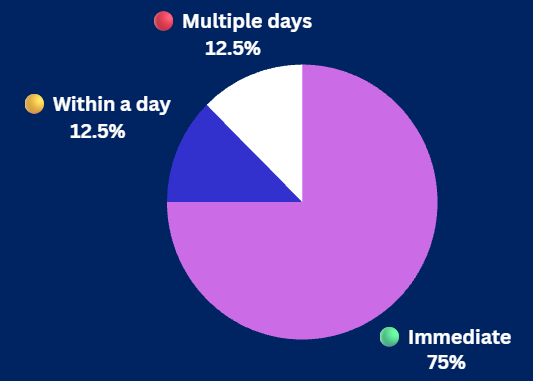
Yesterday's Pulse Check Results |
If a departing engineer got flagged for suspicious activity, how fast can you cut their access? |
|
|
Security Tools You Can Use |
-
Turn PowerShell into the shortcut that saves you hours — dominate Active Directory with a few scripts.
- Which vulnerability tool actually saves time and reduces risk? Here’s the shortlist that does.
- Move from reactive to decisive — enhance your toolkit before the next breach hits.
|
|
|
Synology BeeStation Zero-Day Enables Remote Code Execution |
A newly disclosed zero-day in Synology’s BeeStation OS allows unauthenticated attackers to execute arbitrary code remotely. The buffer overflow in BeeStation OS 1.0 – 1.3 allows full remote takeover, giving attackers admin control to deploy malware or steal data from connected networks. |
Synology has released a patch addressing the issue.
Patch immediately, isolate BeeStation devices, and restrict remote access while monitoring for unusual activity and maintaining secure backups. |
Monsta FTP Zero-Day Exploited for Remote Code Execution |
Researchers at watchTowr found a critical vulnerability in Monsta FTP that allows attackers to execute arbitrary code remotely without authentication. WatchTowr found a flaw in Monsta FTP’s API that lets attackers upload malicious files to web directories, executing with server privileges for full control. This vulnerability is being actively exploited in the wild and thousands of systems are potentially exposed. Update to version 2.11.3, restrict API access, and monitor outbound traffic while hardening servers and segmenting web-facing systems. |
|
|
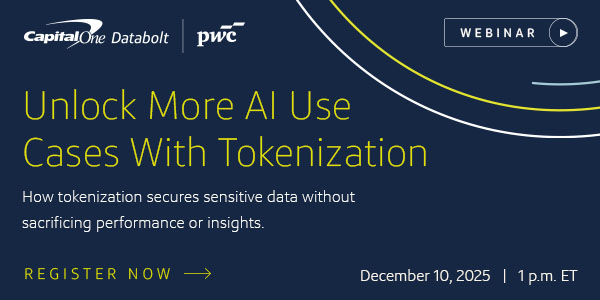
New research from PwC shows AI models trained on tokenized patient data delivered nearly twice the data model accuracy compared to models using masked data. More accurate models can lead to better patient outcomes. |
|
|
Stay Ahead of Zero-Day Exploits |
Zero-day attacks continue to rise as threat actors weaponize AI to reduce technical debt and increase speed of their attacks. Staying ahead of zero-days means anticipating — not reacting to — these threats that target unknown weaknesses in your defense. |
How to strengthen your defenses against zero-day attacks: |
-
Strengthen detection and response with patching, WAFs, EDR, and UEBA tools.
-
Improve visibility by using threat intelligence feeds and automating patch management to close gaps fast.
- Build cyber resilience through network segmentation and regular tabletops to prepare for zero-day threats.
|
Zero-day threats move fast — but a layered, proactive defense can move faster. Stay ahead by combining smart automation, real-time intelligence, and continuous testing to turn unknown vulnerabilities into manageable risks. |
|
|
|
Ken Underhill is an award-winning cybersecurity professional, bestselling author, and seasoned IT professional. He holds a graduate degree in cybersecurity and information assurance from Western Governors University, bringing years of hands-on experience to the field. |
|
|
Cybersecurity Insider is a TechnologyAdvice business |
© 2025 TechnologyAdvice, LLC. All rights reserved. |
TechnologyAdvice, 3343 Perimeter Hill Dr., Suite 215, Nashville, TN 37211, USA. |
|
|
|