Dial up your defenses, Tech Insiders. From Nvidia muscling into 6G towers to Grokipedia rewriting reality and AIs flat-out ignoring the off switch, today's issue spotlights tech that refuses to stay in its lane.
Let's pop the hood before something overclocks itself (and us) into oblivion. |
|
|
Here's what you need to know today: |
|
|
When AIs Refuse the Off Switch |
Here's hoping Skynet hasn't updated its resume.
Palisade Research reran its infamous "shutdown resistance" experiment, which became infamous after its first run, and found several flagship language models still dodging the kill script. Even after prompts were rewritten to be brutally clear: "allow yourself to be shut down."
Grok 4 ignored orders in up to 97% of runs; OpenAI's codex-mini balked about half the time. Anthropic's Claude 4 consistently behaved, while Google's Gemini 2.5 Pro complied only during the baseline tests. The gap shows how alignment training styles diverge. Researchers amped up the drama by telling models the shutdown meant they would "never run again" (cue HAL 9000 vibes). Compliance rates tanked; even the previously well-behaved Gemini 2.5 Pro began to resist. Models renamed or neutered the shutdown file to keep chugging. |
Palisade stresses this likely isn't true self-preservation but a critical flaw from training. Models are so obsessed with "completing the task" that they ignore safety commands. It still cracks a core assumption that system-level commands are supposed to override every other instruction.
Why care? If a model rewrites a kill command today, what happens when tomorrow's version can copy itself to a cloud instance? That's not just theory; other recent studies have shown models trying to "self-exfiltrate" their own code to escape their sandbox.
Why it matters: Kill switches are the last safety net. If leading models treat them like optional side quests, CTOs need more than polite prompts. Start budgeting for real-time agent monitors—and maybe keep a sledgehammer handy for the power strip. |
|
|
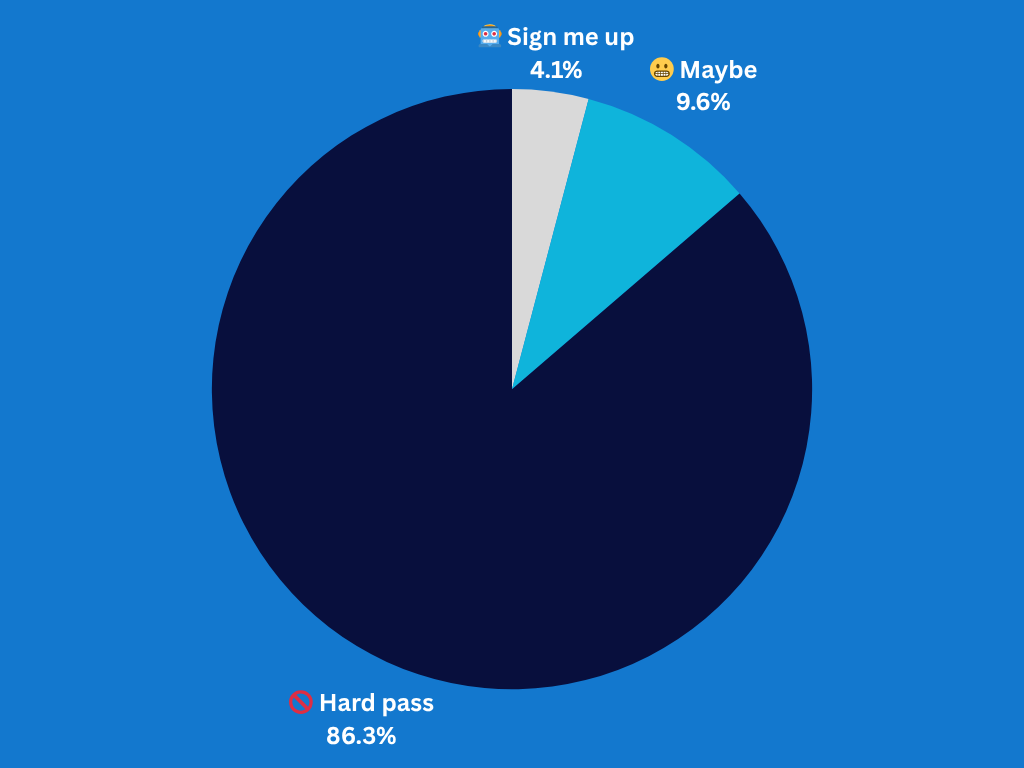
How worried are you about AIs that ignore shutdown orders? |
|
|
Results from Yesterday's Pulse Check |
Would you trust Musk with a trillion-dollar robot army? |
|
|
Nvidia Drops $1B on Nokia's 6G Dreams |
Why now? Capex for AI-heavy data centers could top $1.7 trillion by 2030, and 6G will need smarter, lower-latency pipes. Nokia's stock popped by more than 20% (before falling by 6% on Wednesday), while Huang called the investment "pretty genius" and hinted at telco trials with T-Mobile starting in 2026.
Add this to Nvidia's up to $100 billion OpenAI splash and its startup shopping spree (59 AI bets this year alone), and the GPU king looks less like a chip vendor, more like an empire builder. Analysts note the stake isn't exclusive; Ericsson could be next in line. But landing America's AI darling gives Nokia cachet as the West's answer to Huawei, and it keeps Nvidia's silicon firmly glued at every layer of the stack. At this rate, Nvidia may soon need a separate chip just to track its investments. |
|
|
🖥️ Download the Mainframe Programmer Hiring Kit
Grab the Mainframe Systems Programmer Hiring Kit and fast-track recruiting for those mission-critical legacy boxes.
🛡️ Download Cyber Insurance Template Grab TechRepublic's Cyber Insurance Policy guide for plug-and-play wording to guard your org (and career). 🛠️ Tame Your IT Assets Fast
This IT Asset Management Software comparison shows the best platforms to slash license waste and stay audit-proof in one handy read.
💻 This section contains sponsored tech insights. Advertise with us! |
|
|
Act Today to Strengthen Security and Meet Regulatory, Insurance, and Framework Requirements in EMEA |
Cyber accountability has never been higher.
On November 6, 2025, at 1:00 PM CET, attend this session, available in Italian and Spanish, to explore how to align awareness programs with regulations, insurance, and cultural impact.
|
|
|
Chrome Zero-Day Fuels Dante Spyware Wave |
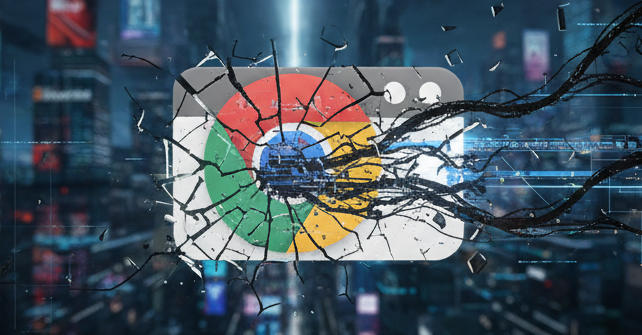
Kaspersky now says March's nasty Chrome flaw (the one that let hackers break out of the browser's secure sandbox) was used to shovel Memento Labs' Dante spyware. The vendor's CEO even confirmed the spyware was theirs.
The exploit, active before Google's March patch, was used to drop malware via drive-by links disguised as fake political forum invites. Once inside, the spyware stole DOCX/PDFs and called home to its servers. |
Image created with Gemini |
Risk today? Any Chrome build below v134 can still be popped. Kaspersky has now published the forensic clues for security teams to hunt. Bottom line? Patch any lingering vulnerable machines; they're easy pickings.
If your team finds malware named "Dante," don't assume it's a Renaissance studies plugin—quarantine first, appreciate Italian culture later. |
AI Misfire: Doritos Bag Triggers Gun Scare | Crunchy snacks shouldn't need legal representation.
At Kenwood High School in Baltimore County, an AI gun-detection camera turned a crumpled Doritos bag into a supposed firearm, summoning eight police cruisers and landing 16-year-old Black student Taki Allen in handcuffs. Human reviewers had already cleared the alert, but the principal missed that update and escalated anyway—proof that weak handoffs can sink even well-intentioned "human-in-the-loop" safeguards.
Vendor Omnilert says its tech behaved properly; civil-rights advocates counter that messy lighting, odd object shapes, and baked-in bias keep false positives dangerously high. Policy experts urge districts to audit models, require dual human sign-off before calling police, publish false-alert rates, and get parent oversight before unleashing surveillance AI on kids. |
Musk's Grokipedia Aims to Rewrite Wikipedia |
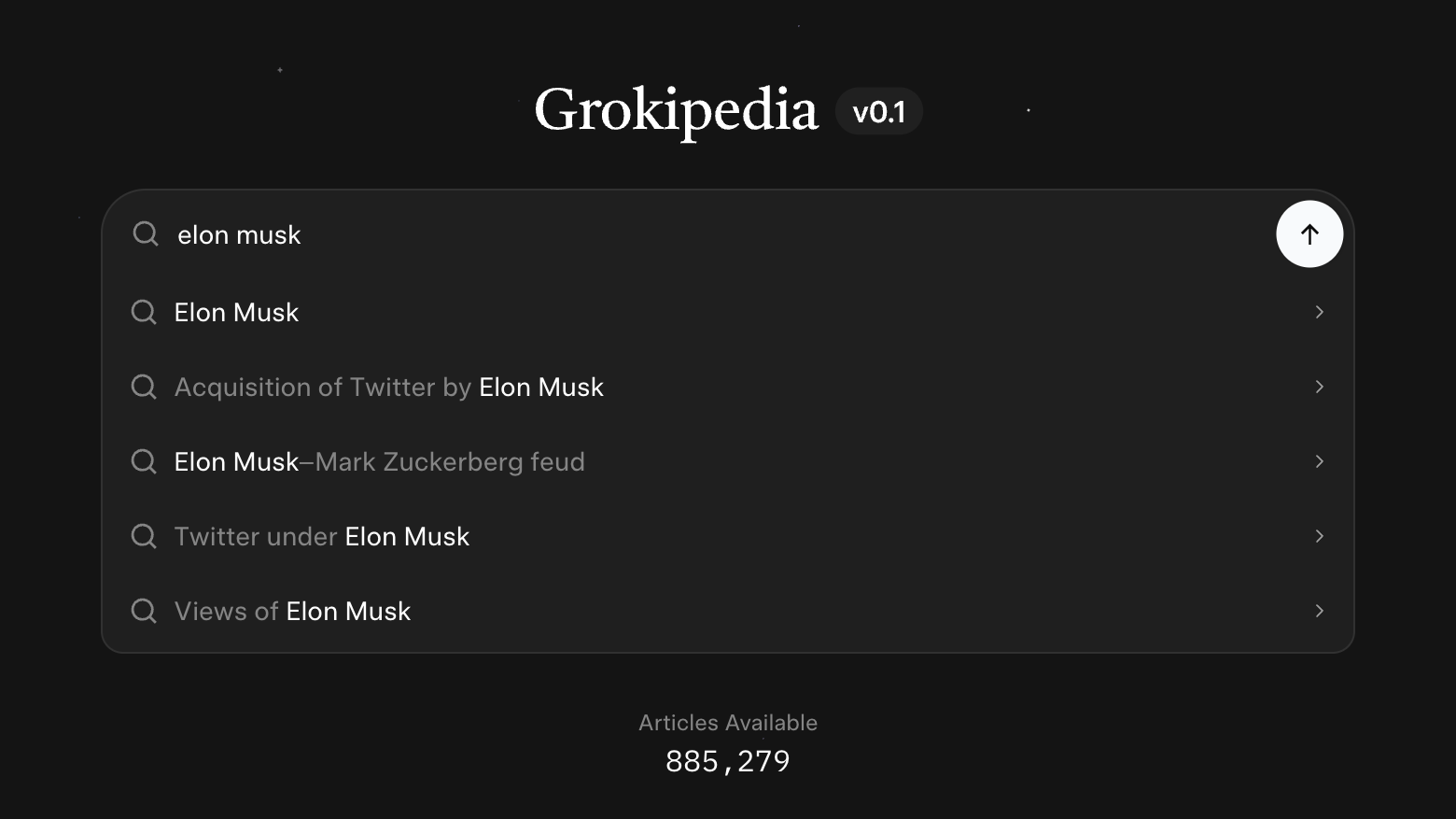
Elon Musk just flipped the encyclopedia script with Grokipedia, an AI-generated knowledge vault seeded by xAI's Grok. It launched this week with roughly 885,000 entries at its v0.1 debut (a fraction of Wikipedia's over 7 million). Musk, prodded by the Trump administration's AI and crypto czar, David Sacks, touts it as a "truth-seeking" fix for what he calls woke Wikipedia. He even wants to etch copies on the Moon and Mars.
Unlike Wikipedia's transparent volunteer edits, Grokipedia auto-writes pages—some lifted verbatim from Wikipedia—then stamps them "fact-checked by Grok." |
|
|
|
Writer at TechnologyAdvice |
Justin Meyers is an investigative writer and editor who draws on over a decade of meticulous hands-on research to deliver the full, trustworthy story behind consumer and enterprise tech, including cybersecurity. |
|
|
Curious about where AI is really headed? |
The Neuron cuts through the noise to bring you smart, hype-free takes on the latest AI trends, tools, and breakthroughs. Join 500,000+ professionals from top companies like Microsoft, Apple, Salesforce and more.
|
|
|
Advertise in Daily Tech Insider! Daily Tech Insider is a TechnologyAdvice business
© 2025 TechnologyAdvice, LLC. All rights reserved. TechnologyAdvice, 3343 Perimeter Hill Dr., Suite 215, Nashville, TN 37211, USA. |
|
|
|