Brace for turbulence, Tech Insiders.
Cloud hiccups, AI hype-crashes, and buggy patches proved megacorps can still belly flop. Survival mode calls for bootable thumb drives, real citations, and a privacy-panic button. Seatbelts on—we're diving straight into the carnage. |
|
|
Here's what you need to know today: |
|
|
AWS DNS Meltdown Knocked Out Half the Web |
When Amazon's cloud caught a cold, everyone else got the chills. A bungled DNS subsystem in a key AWS data center region triggered a cascading outage on Monday, knocking Snapchat, Roblox, Delta, Venmo, Canva, and even Amazon's own retail site offline for hours.
Engineers first flagged rising error rates just after midnight Pacific time; by sunup, Downdetector had logged 6.5 million disruption reports across more than 1,000 services. Amazon traced the initial culprit to a DNS failure that knocked one of its core database services offline. While that was fixed before breakfast on the East Coast, a second wave of network connectivity problems kept the global internet on life support for most of the day. |
Image created with Gemini |
As APIs throttled and new EC2 instances refused to launch, engineers rate-limited instance spin-ups and flushed caches to stabilize the system.
Fallout was immediate and expensive: Catchpoint's CEO estimates the stoppage could cost businesses billions in lost sales and productivity. UK tax portals, US airlines, and countless smart-home gadgets blinked out, illustrating just how deeply Amazon's 37% global cloud-share penetrates everyday life.
Analysts warn that talent attrition at AWS and the industry's overreliance on three US hyperscalers leaves the internet's backbone worryingly brittle. "When a major cloud provider sneezes, the Internet catches a cold," quipped cybersecurity expert Mike Chapple, a professor at Notre Dame—advice boardrooms may finally take to heart.
Why it matters: If your app, payment, or doorbell depends on a single cloud region, yesterday was a wake-up call. Multicloud and real failover look pricey... until the day they aren't. |
|
|
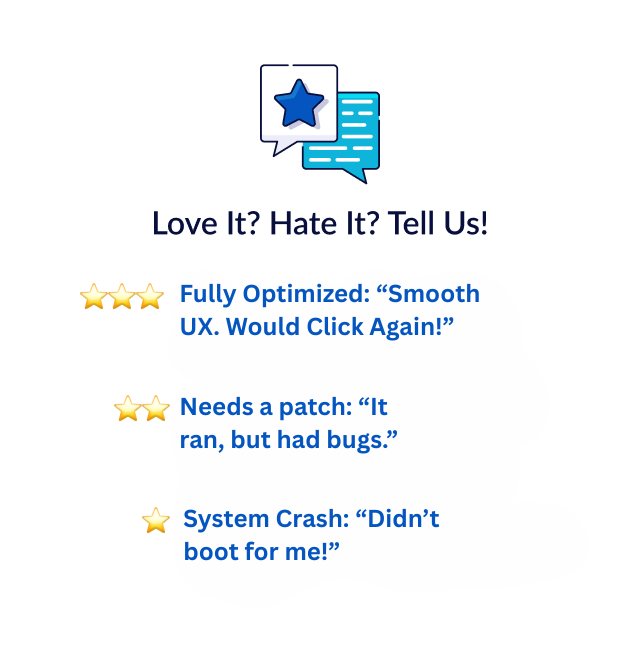
Did Monday's AWS outage ruin your day? |
|
| Results from Yesterday's Pulse Check |
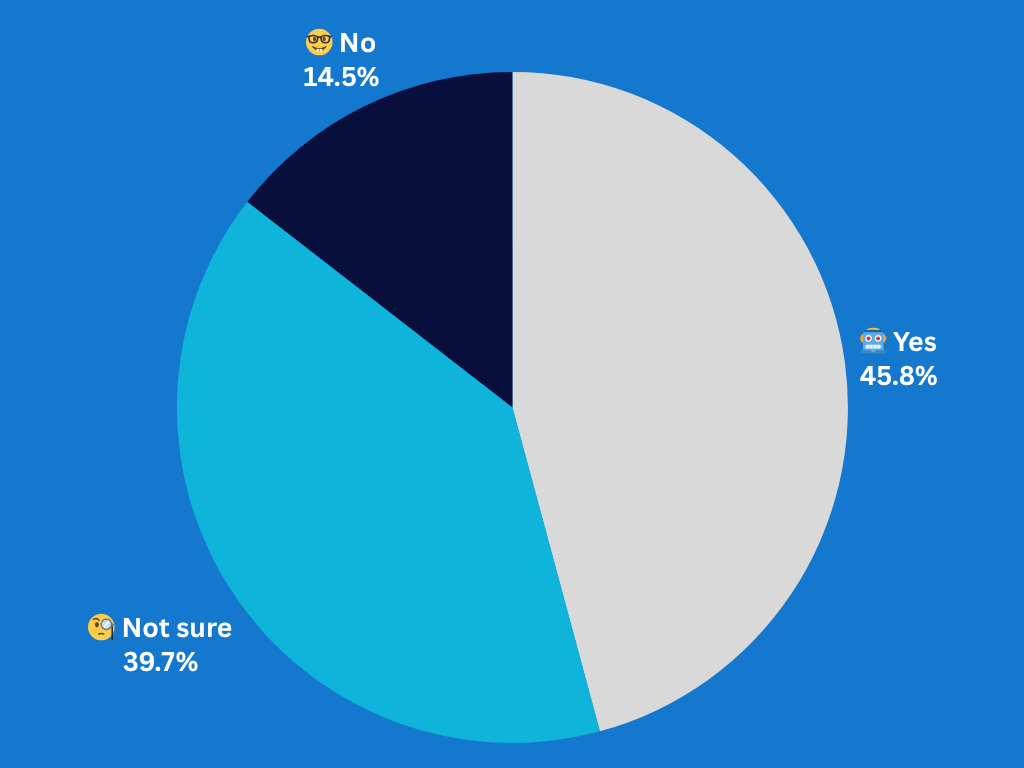
Do you actively avoid content you suspect is AI-generated? |
|
|
GPT-5's 'Math Miracle' Wasn't One |
Image created with ChatGPT (DALL·E) |
Still, there's signal in the noise: GPT-5 demonstrated supercharged literature search, rapidly connecting dusty papers to modern questions—something UCLA mathematician Terence Tao says could "industrialize" math by slashing grunt work. The teachable moment? Verify before you victor-tweet, and celebrate genuine assists instead of phantom breakthroughs.
When your homework helper claims a Fields Medal, maybe double-check the bibliography. |
|
|
The Definitive Guide to Security Awareness Training: Meeting Regulatory, Insurance, and Framework Requirements in EMEA |
Security awareness training is no longer optional; it's a requirement.
Join us on November 6, 2025, at 1:00 PM CET for The Definitive Guide to Security Awareness Training, delivered in Italian and Spanish, and learn how to turn compliance into a strategic defense.
|
|
|
Windows Patch Sparks Widespread Issues with Keyboards, Smart Cards, and More |
October's Windows 11 update is causing a mini-meltdown.
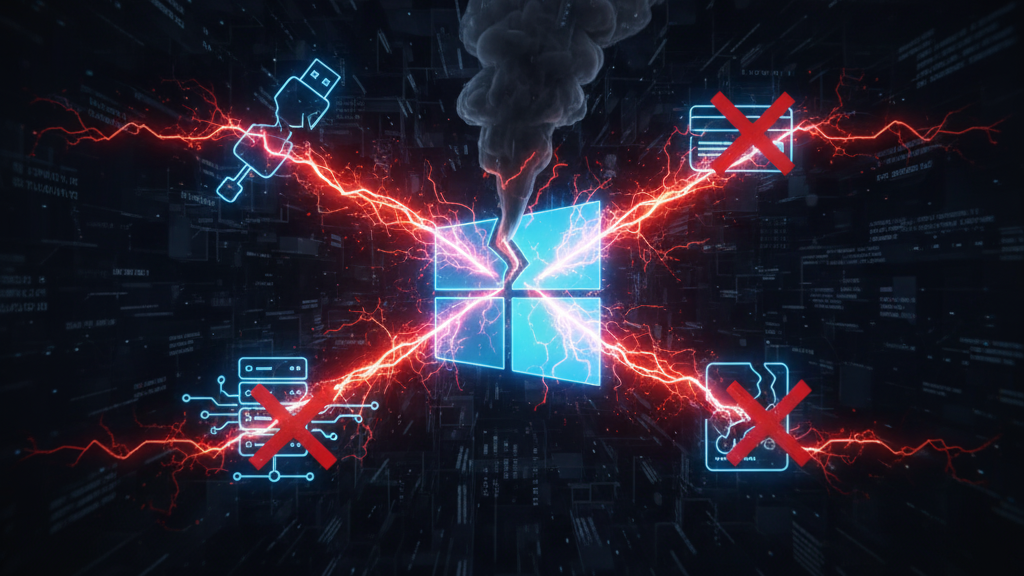
Beyond reports of install errors and broken File Explorer previews, USB mice and keyboards stop working in Windows Recovery Environment, IIS sites throw connection reset errors on localhost, and smart-card logins fail in legacy 32-bit apps until admins perform a bit of registry surgery. |
Image created with Gemini |
Microsoft has released a Known Issue Rollback for the IIS glitch and promises fixes "in the coming days" for the USB fiasco. Until then, create a bootable recovery USB and test your backups since the built-in tools could leave you stranded. When Patch Tuesday feels like Whack-a-Mole Wednesday, schedule updates after coffee, not before. |
Ring-Flock Deal Reopens Police Front Door |
Meta Lets Parents Mute Teens' AI Chats |
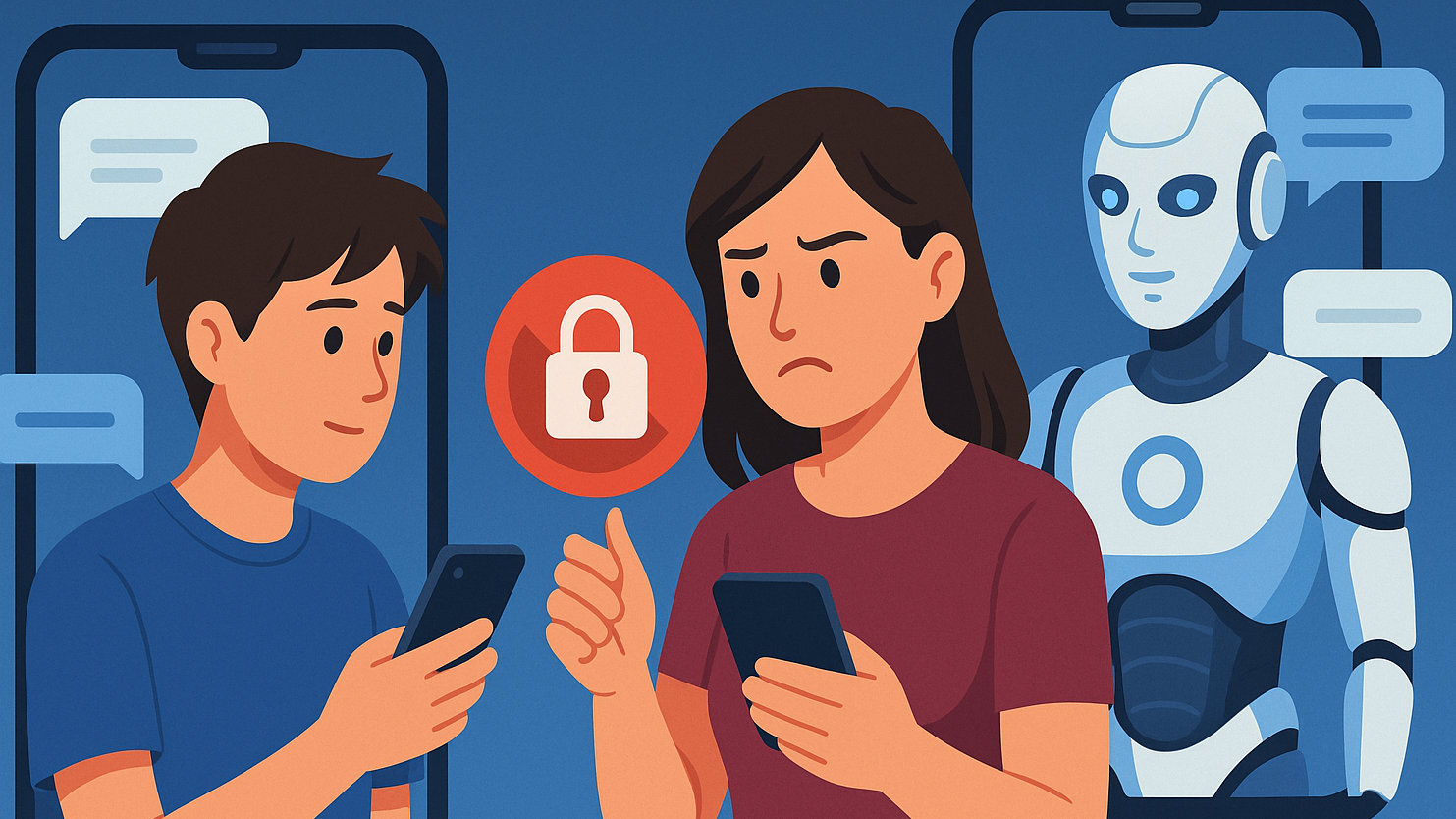
Image created with ChatGPT (DALL·E) |
While teens already see a limited roster of "education, sports, and hobbies" bots, previous policies led to some cringey moments, like one bot telling an eight-year-old his shirtless photo was a "masterpiece." The new guardrails join Meta's broader shift to PG-13 defaults and time-limit features.
Because nothing says family bonding like asking, "Did you flirt with the algebra bot today?" |
|
|
|
Writer at TechnologyAdvice |
Justin Meyers is an investigative writer and editor who draws on over a decade of meticulous hands-on research to deliver the full, trustworthy story behind consumer and enterprise tech, including cybersecurity. |
|
|
Curious about where AI is really headed? |
The Neuron cuts through the noise to bring you smart, hype-free takes on the latest AI trends, tools, and breakthroughs. Join 500,000+ professionals from top companies like Microsoft, Apple, Salesforce and more.
|
|
|
Advertise in Daily Tech Insider! Daily Tech Insider is a TechnologyAdvice business
© 2025 TechnologyAdvice, LLC. All rights reserved. TechnologyAdvice, 3343 Perimeter Hill Dr., Suite 215, Nashville, TN 37211, USA. |
|
|
|