The digital battlefield’s heating up, Digital Defenders. |
Chrome dodged disaster, global scams hit the trillions, and TigerJack turned developer tools into Trojan horses. Meanwhile, the UK’s cyber alarms are ringing louder than ever. Got a few minutes? Help define the future of industrial AI—share your insights in our 7-minute survey for a chance to win a $100 gift card. |
|
|
Here’s what you need to know: |
|
|
Google Blocks Chrome Exploit Enabling Full System Takeover |
A newly patched Chrome vulnerability could let attackers hijack systems simply by luring users to a malicious website.
The flaw in Chrome’s Safe Browsing feature lets attackers execute code without user interaction, bypassing sandbox protections and gaining full system access. |
Google has released a patch for this vulnerability.
Apply Chrome’s latest patch, restrict extensions, harden endpoints, monitor with EDR, and train users to browse safely. |
Global Banking Scams Surge 65% Amid Rising Social Engineering Attacks |
Global financial scams surged 65% last year, BioCatch reports, based on data from 350 million banking customers.
Smishing rose tenfold as organized crime drove massive fraud operations, costing victims over $1 trillion annually. However, BioCatch clients saw a 15% drop in impersonation scams thanks to behavioral intelligence tools.
Strengthen fraud detection through behavioral analytics, train employees on phishing attacks, leverage mobile device management (MDM) tools, avoid clicking links, and report suspicious messages. |
UK Cyberattacks Jump 50%, NCSC Issues Urgent ‘Call to Arms’ |
|
|
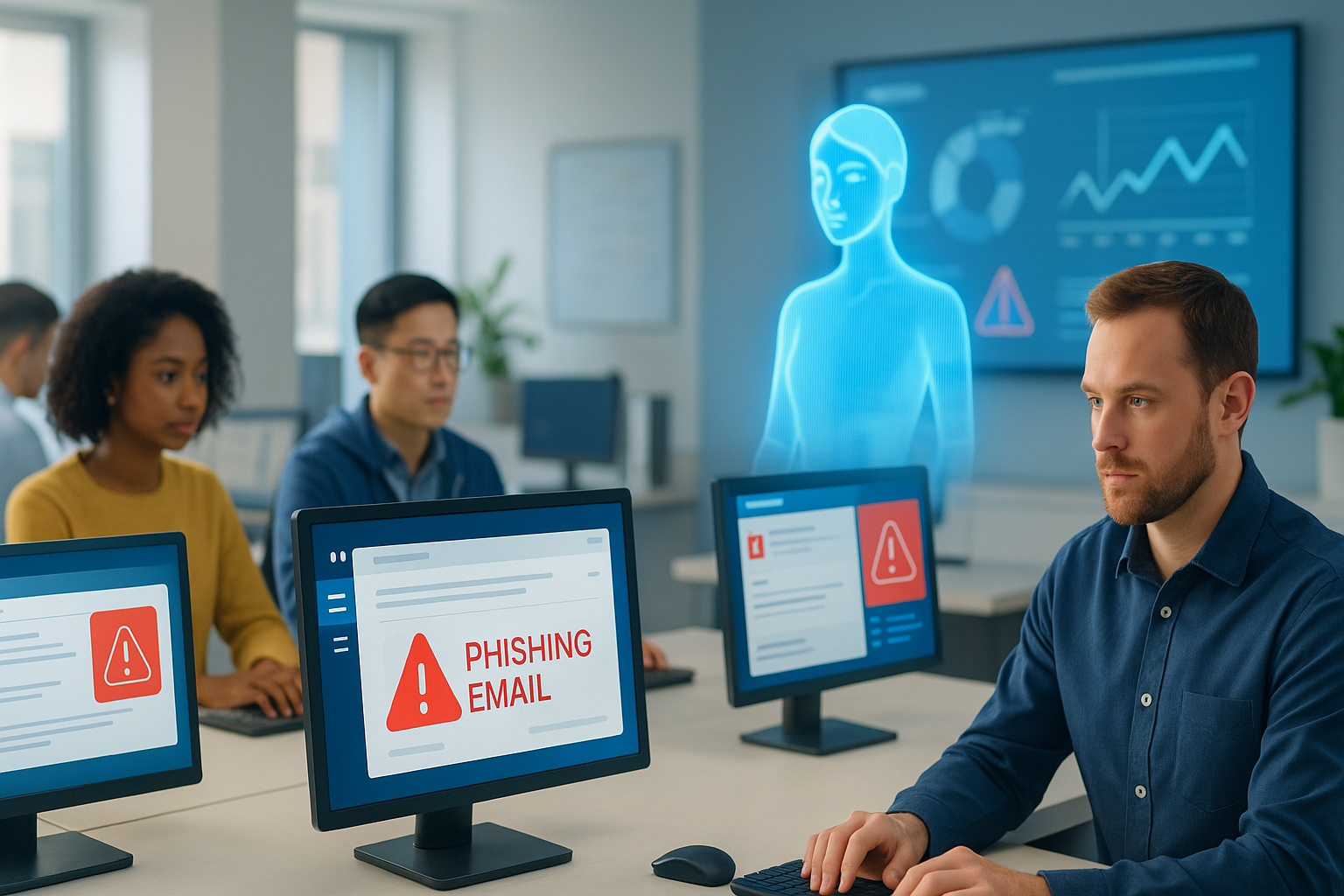
Human vs. Machine: Who spots the phish first? |
|
|
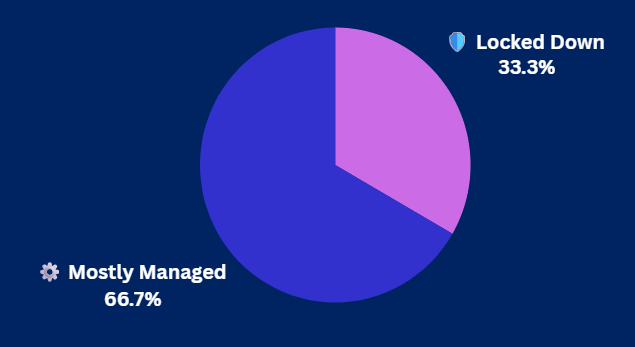
Yesterday's Pulse Check Results |
Dev Supply Chain Reality Check: How secure is your npm workflow? |
|
|
Security Tools You Can Use |
|
|
TigerJack Exploits Developer Tools in Global Supply Chain Attack |
A global developer-focused campaign has compromised thousands of systems through malicious Visual Studio Code extensions.
Koi researchers found 11 malicious VS Code extensions by “TigerJack,” downloaded over 17,000 times, hiding spyware, miners, and backdoors—some still active on OpenVSX—exposing how misplaced trust in third-party marketplaces endangers the software supply chain. |
Microsoft removed the malicious extensions.
Audit and remove risky extensions, rebuild compromised systems, monitor for anomalies, restrict sources, and train developers on secure extension use. |
Cybersecurity Starts at Home: Small Habits, Big Protection |
October’s Cybersecurity Awareness Month isn’t just for corporations — it’s a reminder that good security begins at home.
When a relative questioned my social media friend request, it demonstrated how awareness can change behavior. Cyber pros should teach loved ones to slow down, question, and verify. Awareness isn’t paranoia—it’s preparation.
Start small — review your family’s login habits, enable MFA everywhere, and make “pause before you click” a household rule. It’s the simplest way to build safer digital lives together. |
|
|
Can Your Security Keep Up With AI’s New Tricks? |
AI-driven phishing attacks are growing sharper and harder to detect, mimicking real people and crafting convincing messages at scale. Defending against these smarter scams requires smarter habits and layered protection. |
How to defend against AI-powered phishing attacks: |
-
Verify before you trust: Confirm unexpected messages or requests through trusted channels, and treat every access or data request as suspicious until verified.
- Layer your defenses: Use MFA, zero-trust access controls, and AI-driven detection tools to block credential theft and deepfake-based phishing.
- Automate protection: Deploy advanced email filters and behavior-based security tools that flag AI-crafted or spoofed messages in real time.
-
Train and update constantly: Conduct regular phishing simulations, educate employees on new tactics, and keep systems patched to close exploitable gaps.
|
AI may be making phishing smarter, but informed users with the right tools are smarter still. Blending vigilance with technology turns awareness into your strongest defense.
|
|
|
|
Ken Underhill is an award-winning cybersecurity professional, bestselling author, and seasoned IT professional. He holds a graduate degree in cybersecurity and information assurance from Western Governors University, bringing years of hands-on experience to the field. |
|
|
Cybersecurity Insider is a TechnologyAdvice business |
© 2025 TechnologyAdvice, LLC. All rights reserved. |
TechnologyAdvice, 3343 Perimeter Hill Dr., Suite 215, Nashville, TN 37211, USA. |
|
|
|