Turbulence is mounting, Digital Defenders. |
From expired protections to cracked hardware, urgent patches and supply chain leaks reveal that even minor oversights can open significant doors for attackers. |
|
| Here’s what you need to know: |
|
|
CISA 2015 Expiration Weakens US Cyber Defenses |
The 2015 Cybersecurity Information Sharing Act (CISA 2015) has expired amid the recent government shutdown, removing liability protections for organizations that share threat intelligence with US government agencies.
Without this protection, companies may hesitate to report incidents to agencies, weakening collaboration and visibility as adversaries grow more sophisticated in their attacks. |
While politicians are exploring an extension of CISA 2015, there is currently no date set for it to go back into effect.
Security teams should shore up their defenses by consulting with legal teams, leveraging ISACs, strengthening monitoring, layering controls, testing resilience, and tightening supply chain and insider risk programs. |
Intel SGX Cracked: WireTap Attack Steals Keys |
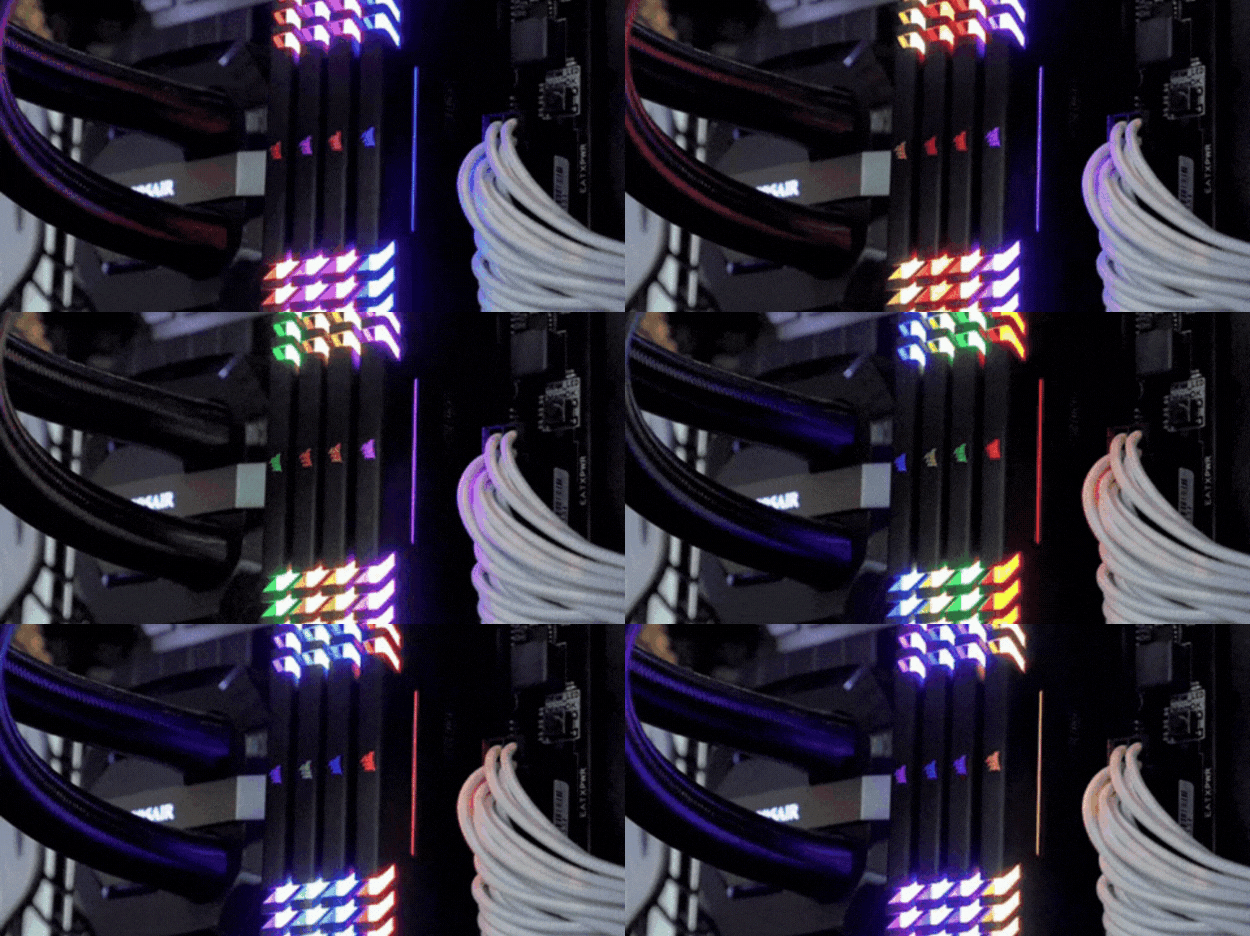
Security researchers have uncovered WireTap, an attack that steals Intel SGX keys by intercepting DDR4 memory traffic with a low-cost interposer. The findings show SGX fails under physical access, potentially endangering blockchain, cloud, and financial platforms that depend on it for confidentiality and trust. Intel is not planning to issue a CVE or a patch because it considers the exploit outside of its threat modeling for the product. There are no reports of this being exploited in the wild.
Treat hardware security as one layer in a broader zero-trust strategy, enforce physical controls, and assess the risks to their third-party supply chain. |
Splunk Patches Critical SSRF and XSS Flaws |
Splunk patched seven vulnerabilities in Enterprise and Cloud, including a high-severity SSRF (CVE-2025-20371) and multiple XSS issues.
These flaws could allow unauthorized API calls, code execution, or data access. Splunk has released patches for the vulnerabilities. Apply patches promptly. If delayed, disable Splunk Web and adjust configs, enforce RBAC, use WAFs, segment servers, review logs, and require MFA. |
|
|
Do you trust US agencies to keep your threat reports safe? |
|
|
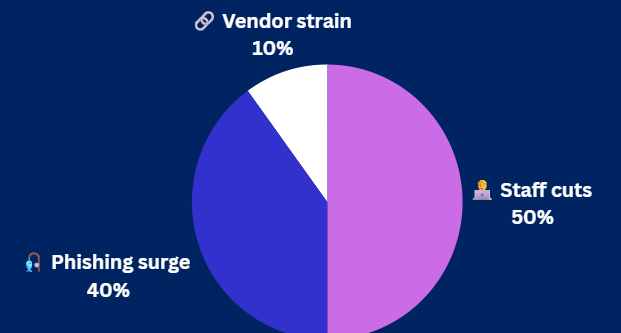
Yesterday's Pulse Check Results |
Which cyber risk from the government shutdown concerns you most? |
|
|
Security Tools You Can Use |
|
|
Red Hat Attack Raises Supply Chain Concerns |
The Crimson Collective extortion group claims to have stolen 570GB of Red Hat source code and consulting data, including sensitive customer reports tied to major banks, telecommunications companies, healthcare organizations, and US government agencies.
The leak could give attackers credentials, CI/CD secrets, and infrastructure blueprints—critical assets that endanger downstream supply chains |
Red Hat confirmed a security incident but has not verified the claims, leaving organizations to gauge their potential exposure. Security teams should audit repositories for hardcoded secrets, enforce stricter token hygiene, and monitor for shadow IT code leaks that could quietly expose enterprise credentials. |
Cybersecurity Starts at Home with Small Habits |
A slow home computer turned out to be more than aging hardware. It was malware running unchecked because antivirus protection was not in place.
That discovery highlights how many individuals lack basic cybersecurity awareness, leaving them exposed to threats that could easily be prevented.
Cybersecurity isn’t only about enterprise systems. Personal devices are often weak links. Start by encouraging family and employees alike to enable automatic updates and MFA. Those two actions alone can help reduce both personal and organizational risk. |
|
|
Is Your Hardware Your Weakest Link? |
Cyber threats don’t always come through the network—sometimes they start with physical access. From stolen laptops to server tampering, hardware attacks can bypass digital defenses and expose sensitive data. With supply chain risks on the rise and remote devices scattered, now is the time to tighten your physical security. |
How to protect your hardware from hands-on threats: |
- Restrict Access – Use locks, cages, and entry controls to block unauthorized hands-on attacks.
- Protect Data – Encrypt drives and enable tamper alerts with asset tracking to safeguard and detect compromises.
-
Verify Hardware – Inspect supply chain devices before deployment to prevent hidden risks.
|
Hardware security may feel basic, but it’s a foundation of cyber resilience. Protecting physical devices safeguards critical data and closes attack paths where software falls short. |
|
|
|
Ken Underhill is an award-winning cybersecurity professional, bestselling author, and seasoned IT professional. He holds a graduate degree in cybersecurity and information assurance from Western Governors University, bringing years of hands-on experience to the field. |
|
|
Cybersecurity Insider is a TechnologyAdvice business |
© 2025 TechnologyAdvice, LLC. All rights reserved. |
TechnologyAdvice, 3343 Perimeter Hill Dr., Suite 215, Nashville, TN 37211, USA. |
|
|
|