Buckle up, Digital Defenders. |
Rooted cars, stalker trackers, supply-chain bombs, VMware 0-days—and the human slip-ups fueling it all. The attack surface is growing… and the weakest link isn’t code. |
|
|
Here’s what you need to know: |
|
|
Tesla Patches Dangerous Root Exploit in TCU |
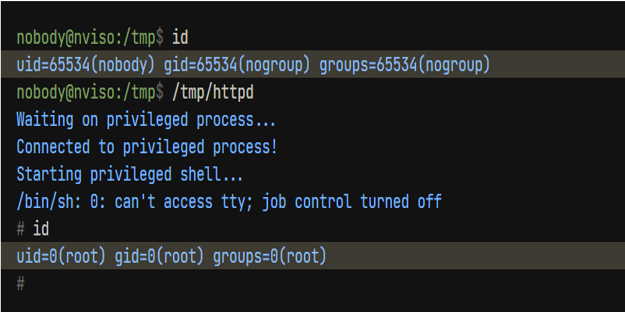
Researchers have uncovered a flaw in Tesla’s telematics control unit that allows attackers with physical USB access to gain root privileges and execute arbitrary code.
Tesla patched the vulnerability with an over-the-air update, but the situation highlights how connected vehicles now mirror enterprise systems in both complexity and attack surface area. |
This exploit shows how physical access can still bypass advanced defenses. Treat vehicles as enterprise endpoints: patch quickly, audit access points, and monitor for lateral movement. |
Tile Tracker Bug Lets Stalkers Track You |
Georgia Tech researchers found that Tile trackers broadcast unencrypted MACs and IDs, allowing attackers to track users indefinitely, unlike AirTags, which rotate their identifiers.
This reminded me of an FBI friend whose wearable secretly tracked her data—proof the risks go far beyond Tile devices. In the workplace, employee-worn trackers can silently introduce significant surveillance risks.
Tile stated they have made “improvements” since the issues were reported. However, they did not elaborate further.
Audit and inventory all Bluetooth-enabled devices on your network, enforce strict access controls, and monitor for unauthorized signals. Train staff on tracking risks and enforce clear policies that prohibit wearables in sensitive areas or during critical operations. |
TrendMicro Finds Millions at Risk of Supply Chain Attacks |
Trend Micro has uncovered two critical vulnerabilities in Wondershare’s AI-powered RepairIt tool, with CVSS scores of 9.1 and 9.4, that put millions of users at risk of supply chain attacks.
The flaws (CVE-2025-10643 and CVE-2025-10644) include unsecured cloud storage of user files and AI models, combined with hardcoded access tokens, allowing attackers to inject malicious code directly into software updates. Wondershare has not responded to the disclosure. Use a tool to detect vulnerabilities before runtime, enforce least-privilege token use, segment storage and customer data, monitor for anomalies, embed DevSecOps into CI/CD, and provide secure defaults to harden code throughout the development lifecycle. |
|
|
Wearables at Work: Hidden risk or managed threat? |
|
|
Yesterday's Pulse Check Results |
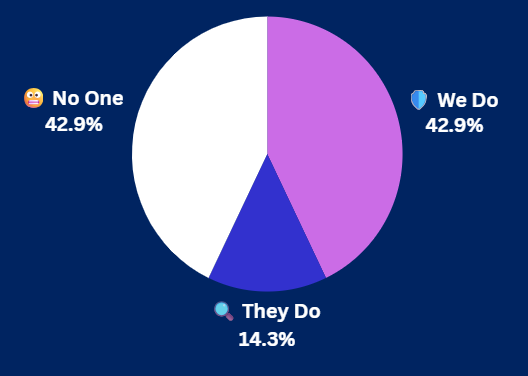
When malware phones home, who answers first? |
|
|
Security Tools You Can Use |
-
Reduce risk exposure with vulnerability management software that delivers automated remediation, continuous scanning, risk scoring, and customizable reporting in one platform.
-
Secure any business with NordLayer—enterprise-grade VPN, easy controls, and unmatched support, now 22% off.
-
Defend every endpoint with Bitdefender GravityZone—antimalware, anti-phishing, ransomware mitigation, firewall, and more in one platform.
|
|
|
VMware 0-Day Grants Root on Linux Systems |
A zero-day vulnerability in VMware Tools and VMware Aria Operations is being actively exploited to grant attackers root privileges.
CVE-2025-41244, an Untrusted Search Path flaw in VMware’s service discovery script, lets malicious binaries in writable directories run with elevated rights. |
This vulnerability is being actively exploited in the wild, but VMWare has issued a patch.
Patch VMware systems without delay and implement continuous monitoring for exploitation indicators. Flag and investigate unusual processes spawned by vmtoolsd or get-versions.sh, and baseline normal behavior so anomalies can be detected quickly. |
Cybersecurity Starts With You: Human Error Fuels Major Breaches |
This Cybersecurity Awareness Month, real-world case studies show how phishing and ransomware exploit human trust rather than just technical flaws.
Barbara Corcoran’s $400,000 loss, Colonial Pipeline’s shutdown, and employee mistakes prove attackers only need one click to succeed.
With hybrid work and AI-powered scams expanding the attack surface, every inbox is now a frontline battle.
The lesson is clear: technology alone won’t stop breaches. The human firewall is the decisive factor between safety and compromise. Build a culture where awareness is as critical as firewalls and patching. Teach your team to slow down, double-check sender details, and verify unusual requests through trusted channels. |
|
|
Join top identity and security experts at HIPConf25 in Charleston! Sharpen your skills, connect with peers, and explore the latest in hybrid identity protection. Don’t miss keynotes from Former Director of the Cybersecurity and Infrastructure Security Agency (CISA) Jen Easterly, Cyberpsychologist Dr. Mary Aiken, and Former U.S. National Cyber Director Chris Inglis. |
|
|
One Compromised VM Could Take Down Your Network |
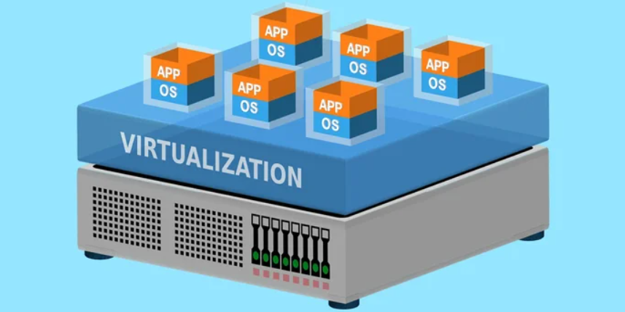
As organizations scale cloud and on-prem environments, attackers are increasingly targeting hypervisors and virtual machines as entry points. A single compromised VM can cascade into lateral movement, privilege escalation, and data theft. Securing virtualization layers is crucial for protecting hybrid environments and preventing unauthorized access.
|
Here's how to lock down your virtual machines: |
- Secure hypervisors and images: Patch frequently, sign/verify VM images, and close vulnerabilities to prevent tampering.
-
Control and monitor access: Enforce MFA, least privilege, and continuous audits while inspecting inter-VM traffic to detect unauthorized activity or lateral movement.
- Segment and isolate workloads: Contain attacks by isolating sensitive workloads and limiting the blast radius of a compromised VM.
|
Virtualization boosts efficiency but widens the attack surface; patching, segmentation, monitoring, and access controls help secure it. |
|
|
|
Ken Underhill is an award-winning cybersecurity professional, bestselling author, and seasoned IT professional. He holds a graduate degree in cybersecurity and information assurance from Western Governors University, bringing years of hands-on experience to the field. |
|
|
Cybersecurity Insider is a TechnologyAdvice business |
© 2025 TechnologyAdvice, LLC. All rights reserved. |
TechnologyAdvice, 3343 Perimeter Hill Dr., Suite 215, Nashville, TN 37211, USA. |
|
|
|