The new frontline is everywhere, Digital Defenders. |
AI leaks, zero-click exploits, phishing, server flaws, DDoS…attackers keep weaponizing everyday platforms. |
|
| Here’s what you need to know: |
|
|
Grok AI Leak Exposes Chats, Passwords, and Private Data |
Elon Musk’s Grok chatbot accidentally made hundreds of thousands of user conversations searchable on Google, Bing, and DuckDuckGo. Indexed chats ranged from harmless tweet drafts to highly sensitive data, such as medical questions, personal details, and even passwords. |
Security experts warn that the exposure illustrates how easily “share” features can become attack vectors, eroding user trust and creating compliance headaches. xAI has yet to comment on the incident. Treat all AI interactions as public and enforce policies prohibiting sensitive data in prompts.
|
Silent Zendesk Hack Puts Support Data at Risk |
A newly uncovered vulnerability in Zendesk’s Android SDK allows attackers to hijack accounts and access all support tickets—without any user interaction.
Researchers found predictable tokens in Zendesk’s SDK, enabling mass account takeovers and exposing customer data, personal details, and business intelligence. This vulnerability was reported as part of Zendesk’s bug bounty program, but the company has yet to release a statement. Confirm SDK use, patch quickly, and enforce controls like rate limiting and anomaly detection. |
115K Phishing Emails Exploit Trusted Google Classroom Invites |
Threat actors abused Google Classroom to send more than 115,000 phishing emails targeting over 13,500 organizations worldwide… in just a single week.
Attackers abused Google’s no-reply@classroom.google.com domain to bypass defenses with fake invites, showing how trusted tools can be weaponized to target enterprises. Google has yet to comment on this attack, but they have commented on phishing using their solutions in the past.
Security leaders should extend phishing defenses beyond email and train staff to flag invites steering conversations to external apps like WhatsApp. |
|
|
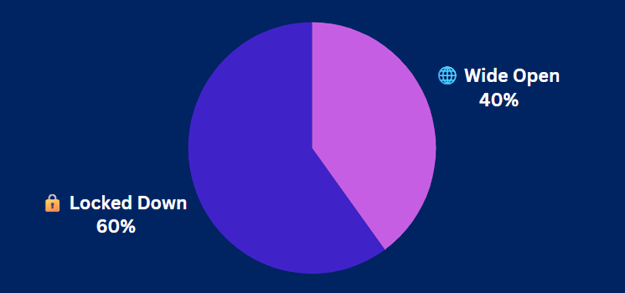
How cautious are you with prompts? |
|
|
Yesterday's Pulse Check Results |
Docker Desktop Isolation Check |
|
|
Security Tools You Can Use |
-
Cyberattacks are faster and stealthier. See the top security tools that protect data, stop insider risks, and deliver peace of mind in one dashboard.
-
Remote work expands your attack surface. NordLayer’s business VPN secures connections, protects sensitive data, and keeps teams safe across any network.
-
Threat actors keep learning—so should you. The Cybersecurity Mastermind Bundle boosts defense, offense, and AI-driven security skills.
|
|
|
File Upload Exploit Cracks Tableau Defenses |
A newly disclosed vulnerability in Tableau Server (CVE-2025-26496) allows attackers to upload and execute malicious files, creating a path to full system compromise.
Salesforce found five Tableau flaws, including type confusion and path traversal, letting attackers overwrite files, plant webshells, and spread across outdated Windows and Linux systems. Salesforce has released patches for this vulnerability in their July maintenance release. |
Immediately patch to the latest release, review logs for suspicious uploads, and enforce WAF rules to block traversal attempts. |
Massive DDoS Assault Knocks Arch Linux Offline |
Arch Linux confirmed a week-long DDoS attack hit its website, the Arch User Repository (AUR), and forums.
The volumetric attack flooded the hosting infrastructure, causing resets and disrupting access to key developer resources. Despite emergency rate limits, filtering, and geo-mirrors, the attack highlights how open-source projects remain high-value yet underprotected targets.
The Arch team is currently implementing mitigations for the attack, but reports that some of their services might still show as unavailable as they continue to roll out mitigations.
Adopt layered DDoS defenses—scrubbing, geo-failover, and automated status updates—to maintain resilience during prolonged attacks. |
|
|
Don’t Trust AI With Your Secrets |
AI platforms are becoming integral to daily workflows, but they also introduce new risks. With AI leaks and hidden data collection rising, treating AI as secure is risky. Security teams must proactively defend against these threats. |
How to reduce data risk in AI workflows: |
-
Avoid pasting passwords, PII, or sensitive business data into AI prompts.
- Enforce role-based access controls so only authorized users can access AI tools.
- Disable or limit “share” links and exports to prevent accidental exposure.
-
Deploy DLP tools to detect and block sensitive data leaving AI platforms.
- Review audit logs regularly for suspicious prompts, unusual activity, or data exfiltration.
-
Assess vendors’ data handling practices before adopting AI tools in your environment.
|
AI boosts productivity, but data security must come first. Apply security controls, build a culture of security, and treat every AI prompt as a potential security event. |
|
|
|
Ken Underhill is an award-winning cybersecurity professional, bestselling author, and seasoned IT professional. He holds a graduate degree in cybersecurity and information assurance from Western Governors University, bringing years of hands-on experience to the field. |
|
|
Protect your team with premium policies, guides, and more |
Cybersecurity Insider subscribers can now get 20% off an annual subscription to TechRepublic Premium and unlock unlimited access to hundreds of customizable policy templates, step-by-step checklists, and expert-written guides. Replace days of research and drafting with proven, plug-and-play resources that help your team harden defenses and stay audit-ready — fast. Use the code CSI20 at checkout. |
|
|
Cybersecurity Insider is a TechnologyAdvice business |
© 2025 TechnologyAdvice, LLC. All rights reserved. |
TechnologyAdvice, 3343 Perimeter Hill Dr., Suite 215, Nashville, TN 37211, USA. |
|
|
|