Privacy, patches, and hidden exploits, Digital Defenders. |
From spyware disguised as a VPN to audit logs that vanish in plain sight, today’s stories reveal how trust can be weaponized, flaws can linger, and even “fixes” can hide fresh dangers. |
|
| Here’s what you need to know: |
|
|
Chrome VPN Spyware Exposed: 100K Users at Risk |
A Chrome VPN extension with 100K+ installs was exposed as spyware, secretly capturing screenshots of browsing sessions and exfiltrating sensitive data. |
FreeVPN.One, a “verified” Chrome extension, abused privileged APIs and timed injections to spy on banking, corporate, and personal data—showing how malicious add-ons can masquerade as privacy tools and threaten enterprises. Audit all browser extensions and enforce allowlists, since “verified” marketplace status no longer guarantees safety. |
UK Backs Down on Apple iCloud Access |
The UK has abandoned its demand for Apple to create a backdoor into iCloud’s Advanced Data Protection encryption, according to US Director of National Intelligence Tulsi Gabbard.
The UK’s dropped demand eases months of Apple tension, avoiding weakened encryption and a dangerous global precedent. The situation highlights the ongoing clash between national security and privacy. Security professionals: Track regional privacy laws, as shifts abroad can directly reshape compliance and cloud security strategies. |
Google Rushes Patch for Critical Chrome Exploit |
Google has issued an emergency fix for a high-severity flaw in Chrome’s V8 JavaScript engine that could allow attackers to execute arbitrary code on victim systems.
CVE-2025-9132 stems from an out-of-bounds write, letting attackers crash Chrome or run malicious code via web pages. Chrome versions before 139.0.7258.138 on all platforms risk remote compromise, with Google’s rapid patch cycle signaling high-exploitation concern.
Ensure all endpoints are updated to Chrome 139.0.7258.138+ via patch management to eliminate the risk of exploitation. |
| |
Government Access vs. Privacy |
Which should take priority? |
|
|
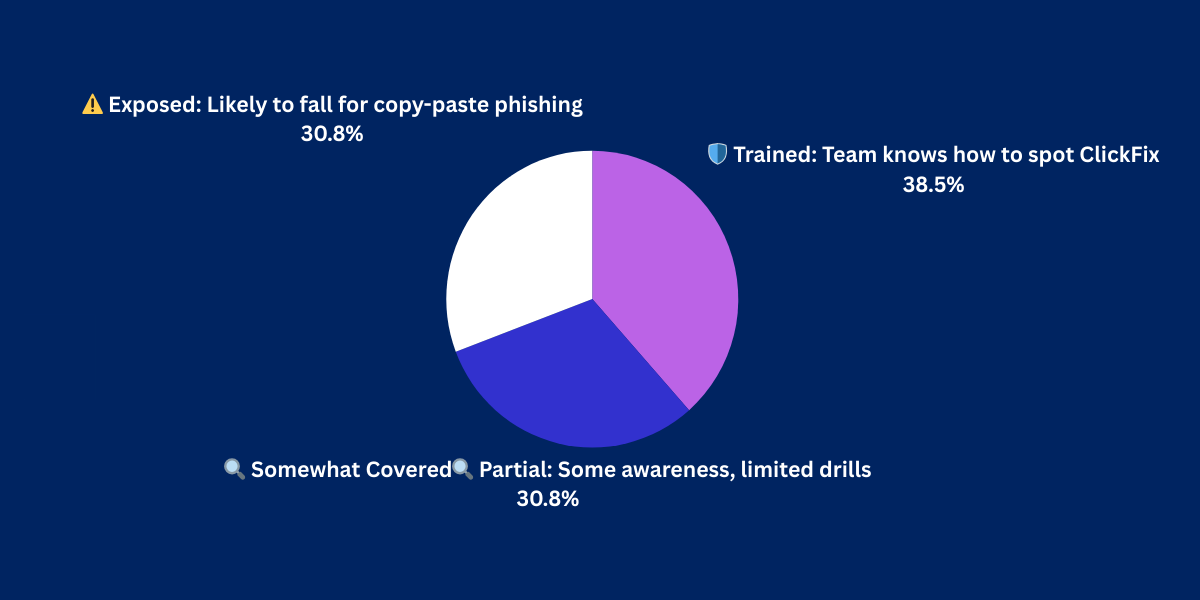
Yesterday's Pulse Check Results |
How secure are your vendors? |
|
|
Security Tools You Can Use |
-
Just one unpatched flaw can bring your business to its knees. The right vulnerability management tools can find, fix, and fortify before attackers strike.
-
Without an endpoint management platform like NinjaOne MDM, a single overlooked device could open the door to data loss, compliance fines, and sleepless nights.
-
Skip this bundle and risk falling behind—while others build their security skills, earn certifications, and advance their careers.
|
|
|
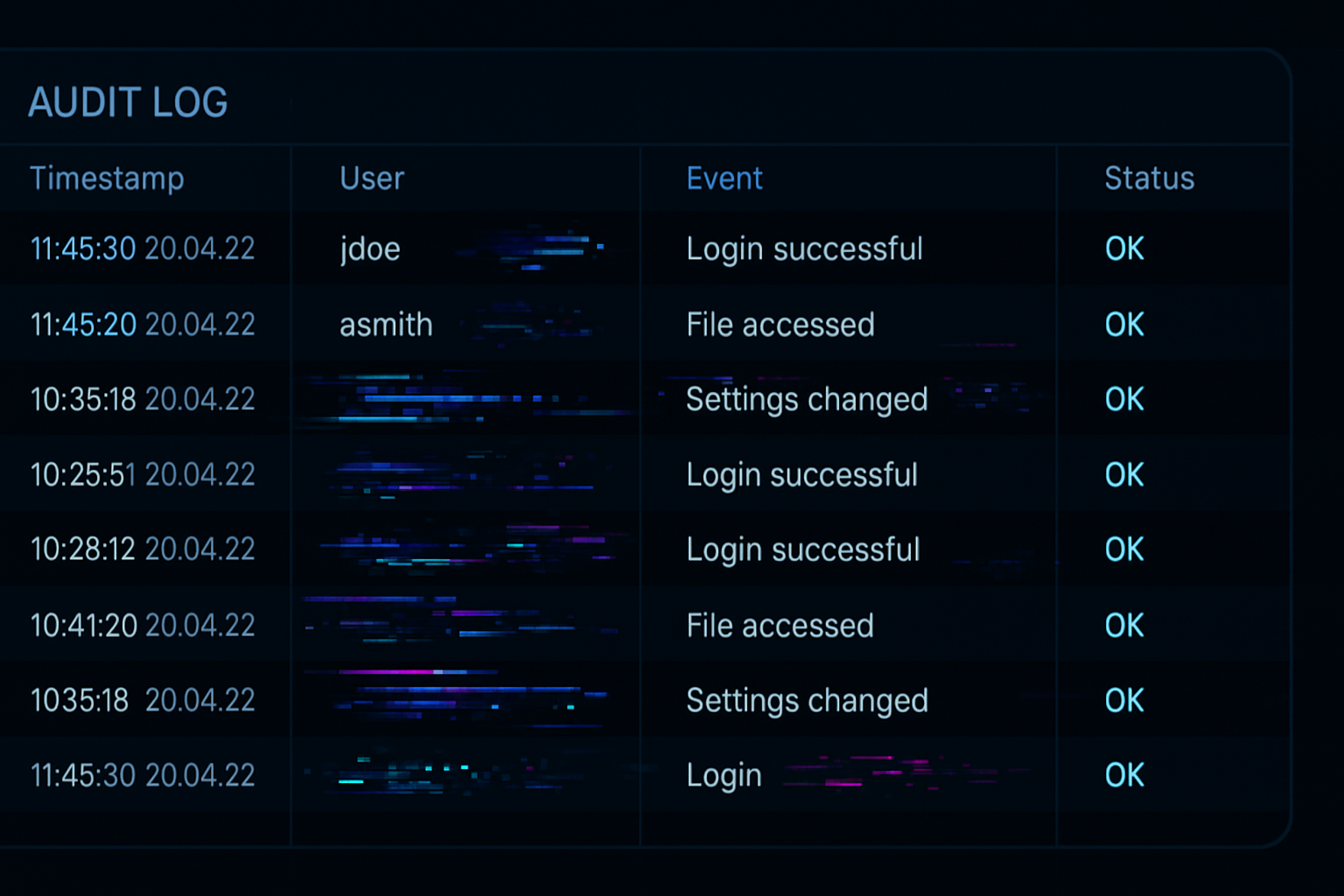
M365 Copilot Vulnerability Creates Audit Blind Spot |
Microsoft patched the flaw on Aug. 17 but withheld a CVE or notice, leaving industries like healthcare and finance with potentially incomplete audit logs. Security leaders should treat all Copilot logs before Aug. 18, 2025, as unreliable and validate with supplemental monitoring to ensure compliance. |
Hackers Exploit, Then Patch ActiveMQ to Evade Detection |
Attackers are exploiting Apache ActiveMQ (CVE-2023-46604) on cloud Linux, then patching it to block rivals and evade detection. A tactic typical of nation-states, it guarantees persistence and evades defenders using vulnerability scanners.
After entry, attackers drop “DripDropper” malware, hiding traffic in Dropbox and altering SSH for backdoor access—a CVSS 9.8 threat to ActiveMQ users. Security teams: Don’t simply trust patched systems. Verify ActiveMQ for config changes and abnormal SSH activity to catch hidden persistence. |
|
|
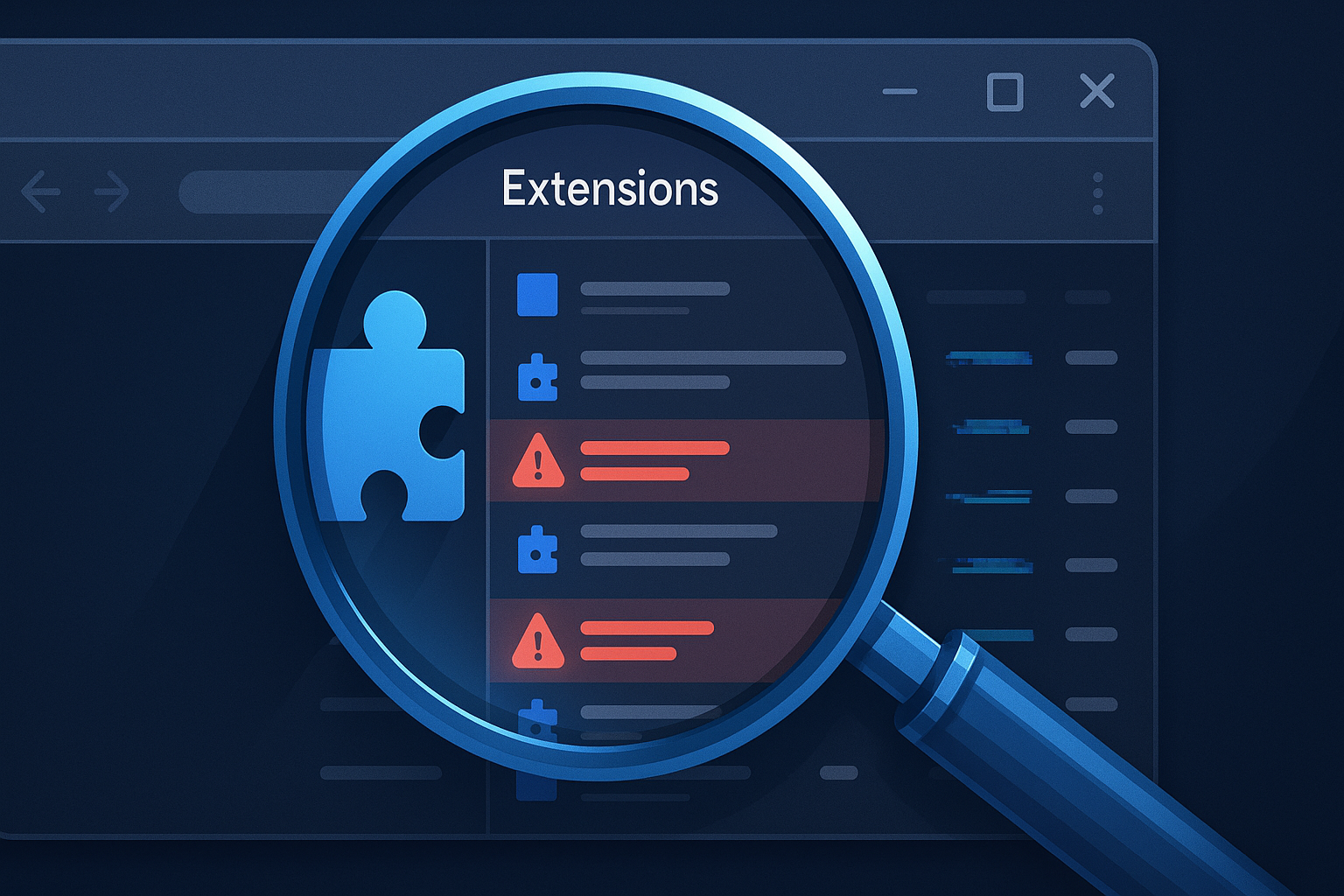
What Your ‘Trusted’ Extensions Don’t Want You to Know
|
Browser extensions can boost productivity, but they’re also a growing attack vector. Malicious add-ons, even those with “verified” badges, have been caught spying on users, stealing data, and bypassing security controls. |
With enterprises relying heavily on browsers, securing extensions has never been more critical. How to lock down your browser extensions: |
- Audit regularly by removing unnecessary extensions across all endpoints.
- Use allow lists to restrict installs to vetted, approved extensions.
-
Check permissions and avoid extensions requesting excessive or broad access.
- Leverage browser policies to enforce extension controls with enterprise management.
- Monitor network activity to detect suspicious outbound traffic from browser processes.
|
Good extension hygiene closes a major enterprise blind spot—policies, monitoring, and awareness stop malicious add-ons. Treat every extension like supply chain software, because that’s exactly what it is. |
|
|
|
Ken Underhill is an award-winning cybersecurity professional, bestselling author, and seasoned IT professional. He holds a graduate degree in cybersecurity and information assurance from Western Governors University, bringing years of hands-on experience to the field. |
|
|
Protect your team with premium policies, guides, and more |
Cybersecurity Insider subscribers can now get 20% off an annual subscription to TechRepublic Premium and unlock unlimited access to hundreds of customizable policy templates, step-by-step checklists, and expert-written guides. Replace days of research and drafting with proven, plug-and-play resources that help your team harden defenses and stay audit-ready — fast. Use the code CSI20 at checkout. |
|
|
Cybersecurity Insider is a TechnologyAdvice business |
© 2025 TechnologyAdvice, LLC. All rights reserved. |
TechnologyAdvice, 3343 Perimeter Hill Dr., Suite 100, Nashville, TN 37211, USA. |
|
|
|