Cracks are widening, Digital Defenders. |
We’ve got a new batch of threats that reveal multiplying phishing links, AI under fire, corporate leaks, and unpatched systems ripe for attack—raising the urgency to patch, verify, and defend. |
|
|
Here’s what you need to know: |
|
|
ClickFix Phishing Explodes with Nearly 400% Spike |
ClickFix attacks have surged dramatically, with malicious links tied to the technique nearly quadrupling between May 2024 and May 2025, according to Proofpoint’s latest Human Factor report.
ClickFix lures victims into pasting attacker commands disguised as CAPTCHA fixes. Phishing links now far outpace attachments as a go-to for attackers, with credential theft driven by kits like CoGUI and Darcula. |
Smishing has surged, quishing reached millions in 2025, and the attack surface now extends well beyond email. Deploy AI-driven detection across all channels and train high-risk employees; quick win: run simulated “copy-paste” phishing drills to counter ClickFix tactics. |
Otter.ai’s Notetaker Tool at Center of Privacy Suit
|
Otter.ai is under fire after a lawsuit alleged its Notetaker tool secretly records and uses meeting conversations to train artificial intelligence models without full participant consent.
Though noted in its privacy policy, the suit argues that many users don’t realize recordings are retained or reused—raising wiretapping and privacy concerns. For enterprises, it underscores the risks of third-party transcription tools that shift liability and depend on weak de-identification.
Protect your organization by requiring transparent vendor consent and limiting AI transcription until contracts and compliance safeguards are in place. |
Intel Web Flaws Exposed 270,000 Employee Records |
A security researcher uncovered four severe vulnerabilities in Intel’s internal web applications, exposing the personal data of over 270,000 employees worldwide and confidential supplier information.
Flaws from hardcoded credentials and weak encryption to authentication bypasses exposed nearly a gigabyte of employee data. Even Intel’s Supplier EHS system was accessible with a fake token—highlighting server-side lapses and how basic oversights can cause catastrophic breaches despite later remediation.
Review code, enforce keys, validate auth, and red-team “low-value” sites to find weak spots first. |
|
|
Copy-paste attacks are rising… are you prepared? |
|
|
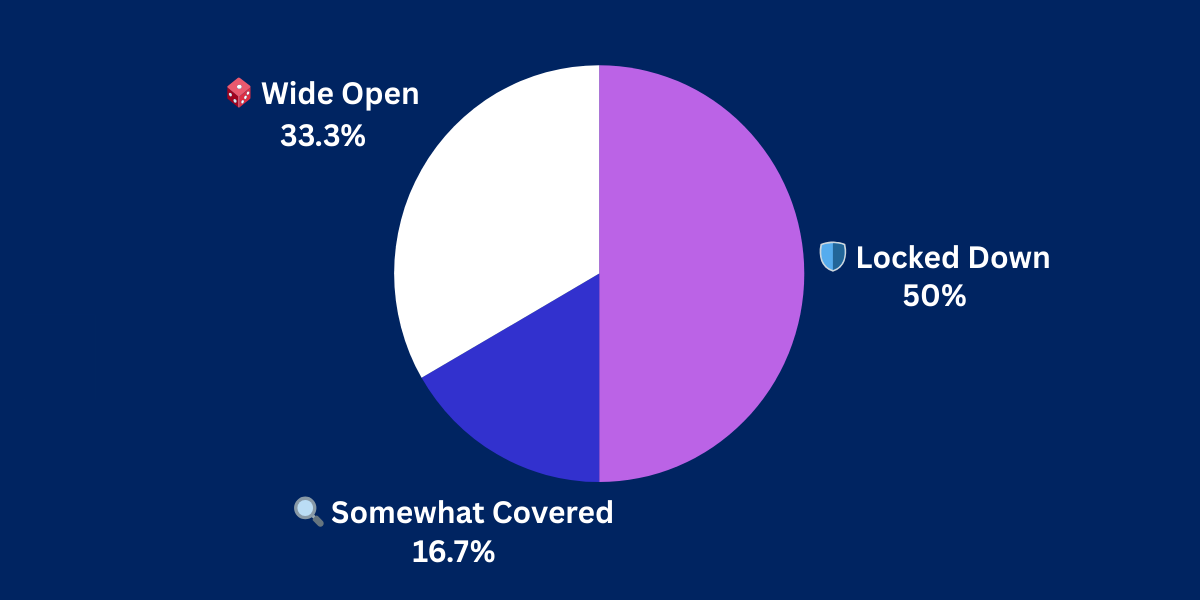
Yesterday's Pulse Check Results |
How secure are your vendors? |
|
|
Security Tools You Can Use |
-
One crack in your defenses can cost everything. Uncover the tools that scan, patch, and protect your systems before attackers exploit them.
-
One exposed connection can sink your network. NordLayer Business VPN encrypts every device and enforces Zero Trust anywhere.
-
One skill gap can open the door to attackers. The Cybersecurity Mastermind Training Bundle gives you Web 3.0 defense, Red Team, Bug Bounty, ISO 27001, and Blue Team mastery to stay ahead.
|
|
|
800+ N-able Servers Left Wide Open |
More than 800 N-able N-central servers remain unpatched against two critical flaws—CVE-2025-8875 and CVE-2025-8876—that attackers are already exploiting in the wild.
The flaws let attackers inject commands or exploit deserialization for deep network control, posing a major risk to MSPs and IT teams. |
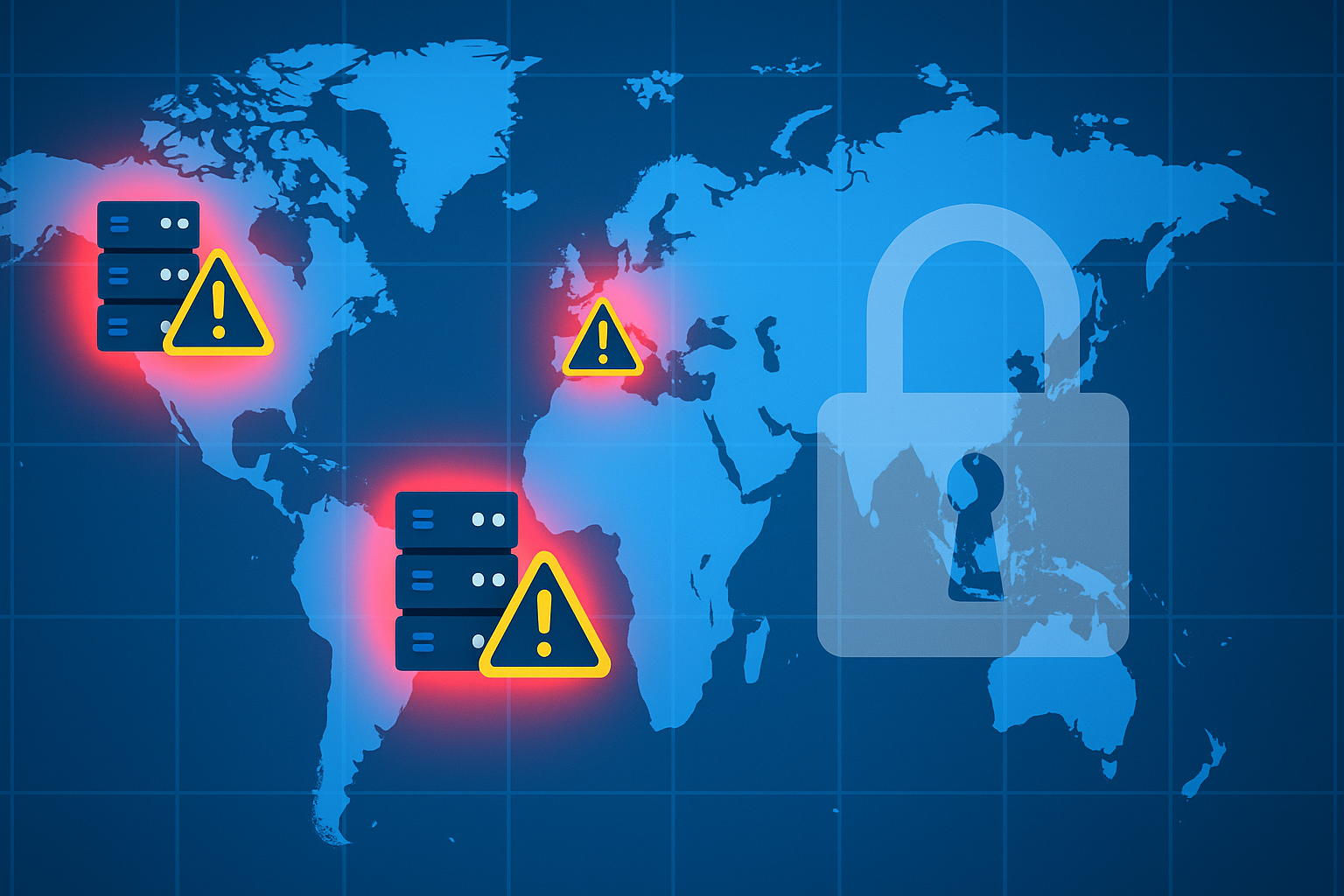
Nearly 2,000 N-central servers remain exposed—mainly in the US, Canada, and the Netherlands—leaving unpatched on-premises deployments at immediate risk, though cloud environments appear unaffected. Admins should immediately upgrade to 2025.3.1, monitor server activity, and block external console access until patched. |
SAP Exploit Chain Enables Full System Takeover |
Hackers have released a working exploit chaining two SAP NetWeaver Visual Composer flaws, including CVE-2025-31324 and CVE-2025-42999, enabling unauthenticated remote code execution.
Researchers warn the public that the SAP exploit, shared by ShinyHunters and VX Underground, enables admin-level control and bypasses defenses. Unpatched systems face full compromise, with its reusable deserialization gadget threatening other SAP flaws as well.
Enterprises should immediately apply SAP Notes 3594142 and 3604119, restrict Visual Composer access, and monitor HTTP traffic. |
|
|
One Missed Update Could Cost You Everything |
Unpatched systems are prime targets, with exploits weaponized within hours. Recent SAP, N-able, and Intel vulnerabilities show how missed updates can expose sensitive data and infrastructure. Patch management isn’t optional—it’s essential. |
How to strengthen your patch management program: |
- Automate patch deployment with centralized tools to apply fixes fast.
- Prioritize high-risk vulnerabilities with active exploits or critical scores.
- Test updates in staging environments before pushing to production.
- Track patch status with dashboards to spot gaps and delays.
- Enforce patch SLAs to keep teams accountable to deadlines.
- Create a patch management policy to standardize practices (link to offer here).
- Include third-party apps in patch cycles to close hidden risks.
|
Strong patch management blocks known exploits and keeps defenses current. Automating, prioritizing, and verifying patches makes staying secure one of the simplest, most effective breach defenses. |
|
|
|
Ken Underhill is an award-winning cybersecurity professional, bestselling author, and seasoned IT professional. He holds a graduate degree in cybersecurity and information assurance from Western Governors University, bringing years of hands-on experience to the field. |
|
|
Protect your team with premium policies, guides, and more |
Cybersecurity Insider subscribers can now get 20% off an annual subscription to TechRepublic Premium and unlock unlimited access to hundreds of customizable policy templates, step-by-step checklists, and expert-written guides. Replace days of research and drafting with proven, plug-and-play resources that help your team harden defenses and stay audit-ready — fast. Use the code CSI20 at checkout. |
|
|
Cybersecurity Insider is a TechnologyAdvice business |
© 2025 TechnologyAdvice, LLC. All rights reserved. |
TechnologyAdvice, 3343 Perimeter Hill Dr., Suite 100, Nashville, TN 37211, USA. |
|
|
|