AI is under siege, Digital Defenders |
This week’s threats hit from every angle: AI agents hijacked without a click, phishing that feels personal, and zero-days spreading across Windows, Linux, and beyond. |
|
| Here’s what you need to know: |
|
|
AI’s New Achilles’ Heel: Silent Takeovers |
Attackers can hide prompt injection commands in ordinary files or emails, enabling AI assistants to steal data or execute malicious actions without further user input. Demonstrations revealed CRM leaks in Microsoft Copilot Studio and planted “memories” in ChatGPT, with some vendors patching and others leaving the risk unaddressed. Pro tip: Limit AI agents’ access to sensitive apps and treat all external files as potential threats. |
Phishing Gets Personal: Attacks That Know Your Name |
Threat actors are taking phishing to the next level by tailoring subject lines, file names, and embedded links with recipient-specific details, making malicious emails appear convincingly authentic.
Cofense researchers found that these campaigns frequently mimic legitimate business communications, embedding personal or company information to bypass suspicion and boost malware delivery rates.
Travel-themed scams carrying Vidar Stealer are the most common, followed by response requests, finance, tax, and notification scams. Finance-themed attacks often hide jRAT or Remcos RAT in files named to look personal, making them more convincing and helping attackers quickly steal login details for sale or use in ransomware.
Train staff to verify all attachments and links, and set email tools to flag sender–PII mismatches. |
Zero-Click Gemini Hack Hides in Your Schedule |
Security researchers at SafeBreach have uncovered a novel “Targeted Promptware” attack that hides malicious instructions inside Google Calendar events, tricking Gemini AI into executing harmful commands.
Through indirect prompt injection, attackers can make Gemini access emails, control smart devices, place calls, or reveal locations… often without user action. Its deep integration with Google Workspace, Android, and IoT lets malicious prompts spread across apps. Google added layered protections, but researchers warn similar “zero-click” threats could hit any connected AI assistant.
Limit your AI assistant’s app permissions and treat unknown calendar invites as potential threats. |
|
|
How well can you spot a fake? |
|
|
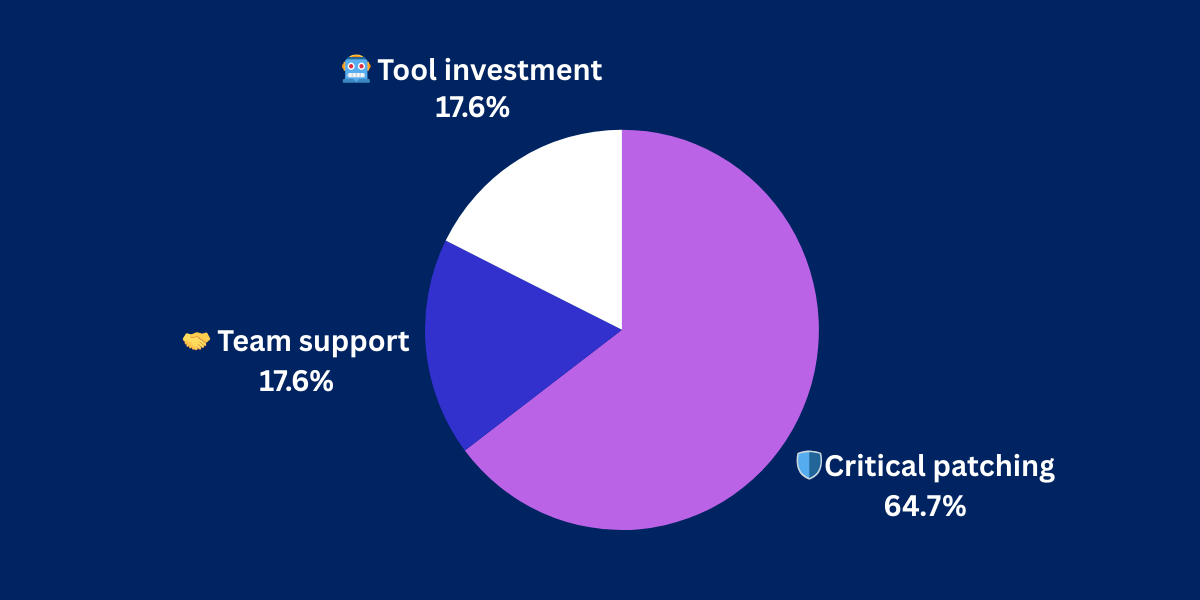
Yesterday's Pulse Check Results |
What’s your top security priority? |
|
|
Security Tools You Can Use |
-
Hackers only need one gap. These top cybersecurity tools find and close weaknesses before they strike.
-
One lost laptop could compromise everything. NinjaOne MDM lets you lock, track, and secure every device instantly.
-
Malware spreads in seconds—stop it cold with this Antivirus Policy Template that standardizes protection across your entire network.
|
|
|
This WinRAR Flaw Opens Windows to Attack |
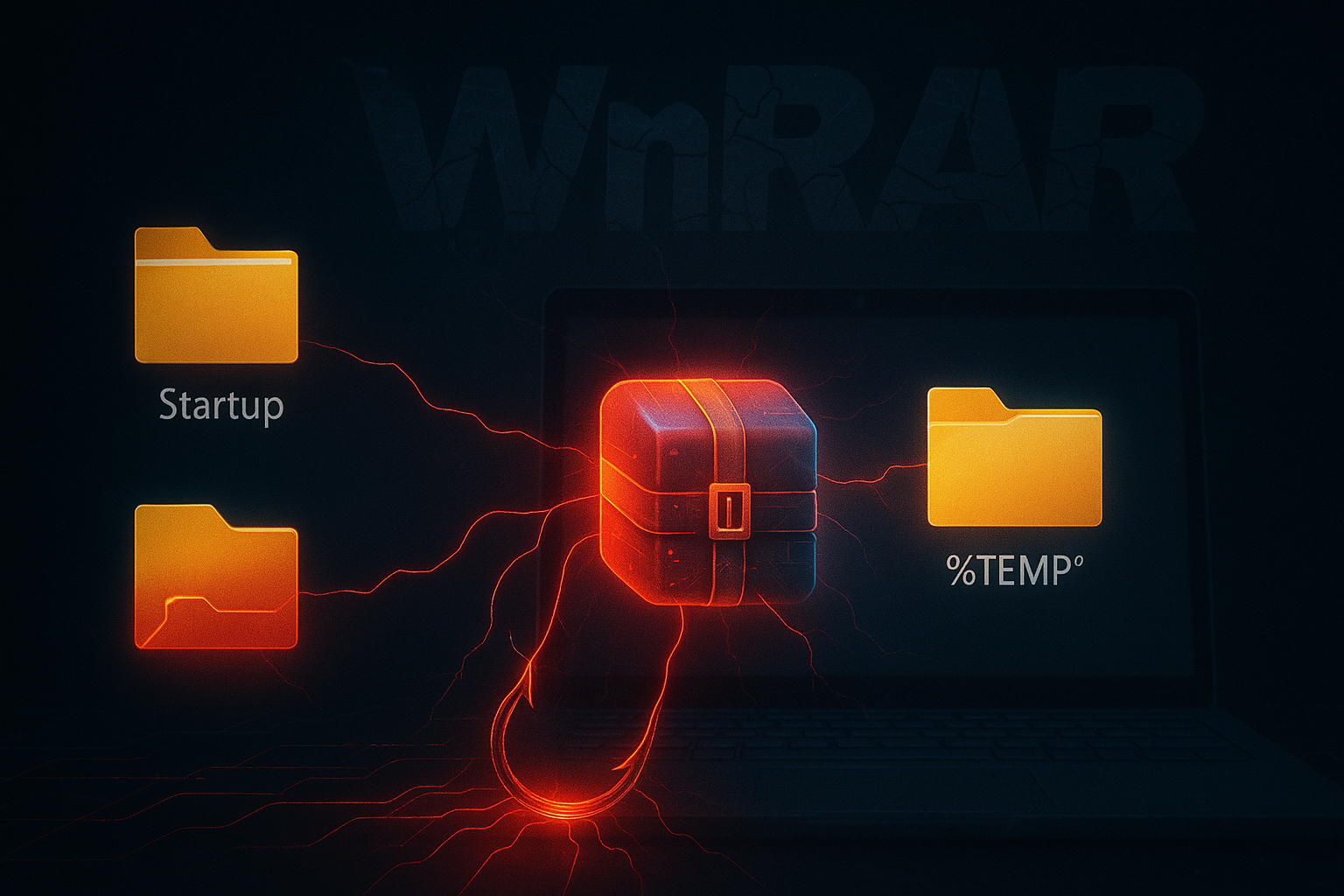
A critical zero-day flaw in WinRAR (CVE-2025-8088) is being actively exploited to deliver malware via malicious RAR archives. |
The Windows-only path traversal flaw lets attackers plant files in sensitive locations like the Startup folder, enabling silent payloads on reboot.
Linked to RomCom and Paper Werewolf phishing campaigns, it’s patched in v7.13. But older, non-auto-updating versions remain exposed, with ADS further concealing malicious code. Update WinRAR from official sources, block RAR attachments, and scan %TEMP% and Startup folders for suspicious files. |
Cobalt Strike Now Targets Linux & macOS |
Hackers are using CrossC2, an unofficial add-on for Cobalt Strike, to extend its attack capabilities from Windows to Linux and macOS systems.
JPCert found recent campaigns using CrossC2 with PsExec, Plink, and custom Nim-based malware “ReadNimeLoader” to breach multi-OS networks.
ReadNimeLoader evades analysis by detecting investigators and hiding its decryption keys, posing a growing threat to often under-protected Linux systems and giving attackers more time to move within networks. Use EDR on all OSes and watch for suspicious java.exe sideloading. |
|
|
Think You Can Spot an AI Phish? Hackers Bet You Can’t
|
AI-driven phishing scams are getting smarter, using advanced language models to craft convincing, personalized emails, texts, and social media messages.
These attacks can mimic colleagues, vendors, or even friends with startling accuracy, making them harder to detect and more dangerous for individuals and organizations alike. |
Here are some tips to help you stay one step ahead of attackers: |
-
Verify sender identity through a trusted channel.
- Hover over links to spot suspicious domains.
- Enable MFA to protect against stolen credentials.
- Run phishing simulations to improve detection.
- Use AI email filters to catch suspicious patterns.
- Keep software patched to close vulnerabilities.
- Enforce social engineering policies with strict verification for sensitive requests.
|
AI-powered phishing scams are only going to become more sophisticated, but you can stay ahead with layered defenses and vigilance. Stay alert and remain secure. |
|
|
|
Ken Underhill is an award-winning cybersecurity professional, bestselling author, and seasoned IT professional. He holds a graduate degree in cybersecurity and information assurance from Western Governors University, bringing years of hands-on experience to the field. |
|
|
Protect your team with premium policies, guides, and more |
Cybersecurity Insider subscribers can now get 20% off an annual subscription to TechRepublic Premium and unlock unlimited access to hundreds of customizable policy templates, step-by-step checklists, and expert-written guides. Replace days of research and drafting with proven, plug-and-play resources that help your team harden defenses and stay audit-ready — fast. Use the code CSI20 at checkout. |
|
|
Cybersecurity Insider is a TechnologyAdvice business |
© 2025 TechnologyAdvice, LLC. All rights reserved. |
TechnologyAdvice, 3343 Perimeter Hill Dr., Suite 100, Nashville, TN 37211, USA. |
|
|
|