Dose up, Tech Insiders. AI-grown antibiotics, cyber-hygiene hacks, and bargain-sniffing algorithms are today's prescription.
Pop the cap and let's see which pills, prices, and protocols actually work. |
|
|
Here's what you need to know today: |
|
|
Rx by AI: Designing Tomorrow's Antibiotics |
In a milestone for drug discovery, MIT scientists have turned to AI to design new antibiotics—a first for the field.
MIT's Antibiotics-AI Project took a two-track approach. One AI combed through a massive library of 45 million molecular fragments, searching for promising building blocks. The other skipped the library entirely, designing new compounds from scratch.
From tens of millions of possibilities, researchers narrowed the field to 24 compounds that could actually be made. Two of those stood out in the lab, lighting up the Petri dish with promising results.
One, called NG1, killed drug-resistant Neisseria gonorrhoeae by jamming LptA, a protein key to building the bacterial outer membrane that no approved drug touches. The other, DN1, cleared methicillin-resistant Staphylococcus aureus (MRSA) skin infections in mice by punching holes in bacterial cell membranes.
Both are structurally unlike any antibiotic on pharmacy shelves, which helps sidestep existing resistance genes. |
Illustration of drug-resistant Neisseria gonorrhoeae bacteria.
Image Source: PHIL |
The haul follows MIT's earlier AI finds—the experimental antibiotics halicin (named after HAL, the fictional AI from "2001: A Space Odyssey") and abaucin—but marks the first time the team designed molecules from scratch rather than mining libraries. The reality of the lab bench still breaks the hype cycle. For one target, only two of the top 80 virtual hits could be made, though another 22 were synthesized for the second. Nonprofit Phare Bio will tweak toxicology, boost potency, and push toward preclinical dossiers, with tuberculosis and Pseudomonas aeruginosa as its next AI targets.
Why it matters: Drug-resistant infections cause 5 million deaths a year. If AI can chart unexplored chemical space, hospitals could regain a fighting edge before routine surgeries start feeling Victorian again. But AI discovery is just the first step; the biggest hurdle remains economic, as new antibiotics are often unprofitable because they're used sparingly to prevent future resistance.
| |
|
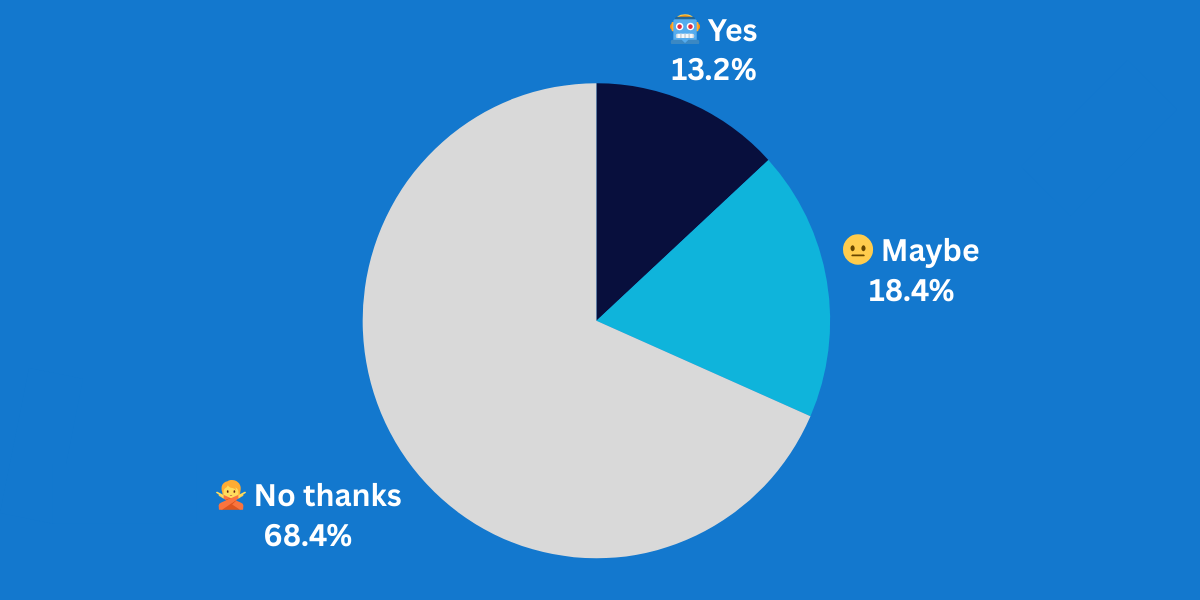
How optimistic are you about AI-designed drugs? |
|
|
Results from Friday's Pulse Check |
Would you welcome Apple's chatty tabletop robot into your home? |
|
|
Google Flights Adds AI Bargain Hunter |
Because your budget deserves a copiloting chatbot.
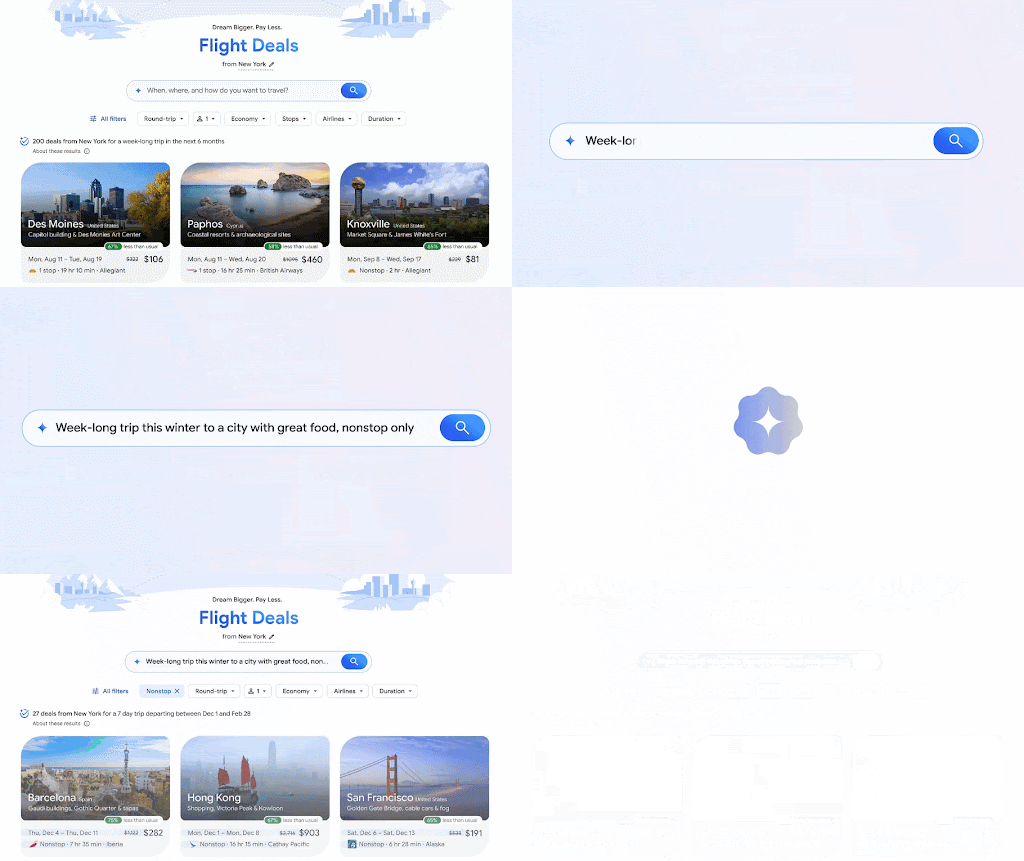
Google's new Flight Deals beta is designed for flexible travelers, turning fare hunting into a casual chat with Google's Gemini model.
Type "four-day ski break, nonstop, under $400," and the model parses destination traits, preferences like nonstop-only, and timing quirks, then ranks live prices by % savings against historical averages. |
If you don't specify a timeframe, it defaults to searching the next six months and might suggest lower-traffic airports... hello, Salt Lake, when you were eyeing Denver.
Don't expect perfection; testers found that very specific requests can stump the beta. Searches live in your regular Google history and can be wiped in My Activity; expect regulators to squint at that.
Classic Google Flights, meanwhile, gains a "skip basic economy" toggle for the US and Canada. The beta rolls out this week to English-language users in the US, Canada, and India. Don't blame us when "spontaneous weekend in Lisbon" becomes a standing calendar event. |
|
|
🌐 Launch Your Site with 20% Off Squarespace
This Squarespace deal gives you a free trial plus 20% off any new website plan. Use code W8E20 at checkout and ship that portfolio before Monday.
📊 Pick a Winning CRM—Top 2025 Guide
The Best CRM Software of 2025 roundup compares leading platforms so you can lock in the right tool to hit your Q3 pipeline goals before the quarter closes.
☁️ Master Cloud Skills at 83% Off
The 2025 Cloud Computing Course Bundle (CompTIA and AWS) plunges from $180 to less than $30. Score lifetime Cloud+, Azure, and AWS security, and Spring Cloud microservices training in one shot. 💻 This section contains sponsored tech insights. Advertise with us! |
|
|
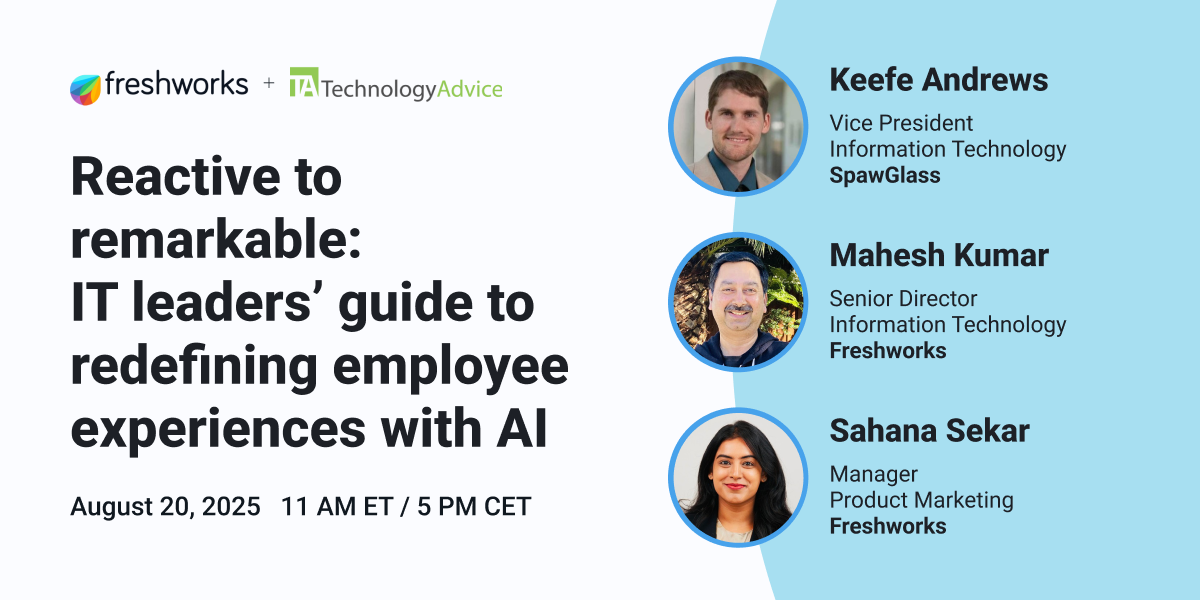
Reactive to remarkable: IT leaders’ guide to redefining employee experiences with AI |
Join Freshworks and TechnologyAdvice on August 20 at 11 AM ET | 5 PM CET for a live webinar exploring how IT leaders are redefining employee experience through automation and smart KPIs. You’ll see how SpawGlass simplified systems, scaled impact, and built a strategy that turns AI investments into measurable outcomes. |
|
|
Polish Cyber Team Saves City Water |
Image Source: ChatGPT (DALL·E) |
As a top target for its role as a hub for aid to Ukraine, Poland, per its deputy PM, now fields about 300 cyber probes a day. Poland's new civilian-military cyber-ops center, bankrolled with 3 billion zlotys ($820 million), claims a 99% block rate but warns that the digital controls for its water and power grids remain a major vulnerability. Pro tip: Add "offline coffee stash" to your incident-response checklist. |
Hiragana Homoglyph Hooks Booking.com Users |
Attackers used the Japanese character ん, which can look like "/n" or a slash, to build a convincing fake URL. This created a fake path (actually a long subdomain on the attackers' domain, www-account-booking[dot]com) that lured staff into downloading an MSI file with potential infostealers.
A twin campaign spoofed Intuit by replacing the first i with an uppercase L (which is more convincing than it sounds). Generating these URLs is easy for crooks; automated scripts can spit out thousands of homoglyph domains in minutes.
Hover before you click, and remember: the true registered domain sits just left of the first single slash. And since these same tricks are used to steal passwords, use a password manager; it won't be fooled by a fake domain and will refuse to autofill your credentials. Sometimes a squiggle is the difference between vacation photos and a drained card. |
HTC VIVE Eagle Targets Smart-Glasses Boom |
HTC's under-49-gram VIVE Eagle packs a Snapdragon AR1 chip, open-ear spatial speakers, and a 12 MP ultrawide camera behind Zeiss lenses.
Voice-activated VIVE AI routes questions to either Gemini or GPT (which is in beta) while keeping raw data encrypted on-device; an LED shuts capture off if the glasses come off—a privacy jab at Meta's Ray-Ban default recording. |
Battery life clocks 4.5 hours of music or 36 hours standby, recharging to 50% in ten minutes. Real-time image translation spans 13 languages, and local voice memos sync to your (required) smartphone without cloud storage.
Launch pricing is NT$15,600 (~$520), a steep jump from Meta's $299 specs, with two years of VIVE AI Plus, sold first through 2020EYEhaus and Taiwan Mobile bundles.
HTC is staying quiet on an international release, but the timing is key as Samsung and Apple prep their own screenless specs. Who knew sunglasses would spark the next language war between AIs? |
|
|
| Writer at TechnologyAdvice |
Justin Meyers is an investigative writer and editor who draws on over a decade of meticulous hands-on research to deliver the full, trustworthy story behind consumer and enterprise tech, including cybersecurity. |
|
|
| Writer at TechnologyAdvice |
Justin Meyers is an investigative writer and editor who draws on over a decade of meticulous hands-on research to deliver the full, trustworthy story behind consumer and enterprise tech, including cybersecurity. |
|
|
Advertise in Daily Tech Insider! Daily Tech Insider is a TechnologyAdvice business
© 2025 TechnologyAdvice, LLC. All rights reserved. TechnologyAdvice, 3343 Perimeter Hill Dr., Suite 100, Nashville, TN 37211, USA. |
|
|
|