No safe harbors, Digital Defenders. |
If it holds valuable data, powers AI, or connects to your devices, it’s fair game for attackers. Today’s threats range from government networks to AI safeguards to everyday hardware hiding malicious surprises. Assume nothing is safe by default. |
|
| Here’s what you need to know: |
|
|
Sealed No More: US Courts Hit by Sophisticated Cyberattack |
The US federal Judiciary is locking down its electronic case management system after a wave of highly sophisticated cyberattacks targeted sealed legal filings. Most court records are public, but hackers went after the crown jewels—confidential documents holding sensitive or proprietary data. |
Source: mariakray / Shutterstock |
Courts are rolling out tighter access controls, heavier monitoring, and closer coordination with the DOJ, DHS, Congress, and other partners to block future breaches. Despite years of upgrades and stronger defenses, aging systems remain a weak spot as attackers constantly change their playbook.
Staying ahead means adapting quickly, working closely with security agencies, and modernizing systems before attackers find the next gap. For individuals, monitor court records tied to your name and secure any legal or financial accounts linked to online filings. |
GPT-5 Vulnerable to New ‘Echo Chamber’ Jailbreak |
AI security firm NeuralTrust uncovered a jailbreak technique that bypasses GPT-5’s safety guardrails by combining its Echo Chamber algorithm with narrative-based steering. The method seeds a subtle, poisoned context inside harmless-sounding text, then uses storytelling to guide the model toward harmful objectives without triggering refusal filters. In testing, NeuralTrust showed how repeated “in-story” elaborations could gradually elicit restricted content, even when the model avoided overtly unsafe prompts. The approach worked best when the story emphasized urgency and survival, which changed the model’s behavior within its fictional frame.
Researchers say single-turn keyword filters are like locking the door but leaving the windows open. Monitor entire conversations for slow topic shifts, and use AI “bouncers” or red team tests to stop jailbreaks before they slip through. |
Lenovo Webcams Vulnerable to BadUSB Hijacking |
Two Lenovo webcam models—the 510 FHD and Performance FHD—contain flaws that let attackers rewrite their Linux-based firmware and turn them into BadUSB devices. In a BadUSB attack, a USB peripheral is reprogrammed to act like a trusted keyboard and silently issue malicious commands to a connected computer.
Once weaponized, the webcam can install malware, steal data, or re-infect the host after a full system wipe, all while appearing to function normally. Lenovo has released updated firmware tools to fix the issue, so if you own one of these webcams, patch it now. |
|
|
Could you tell if your webcam turned against you? |
|
|
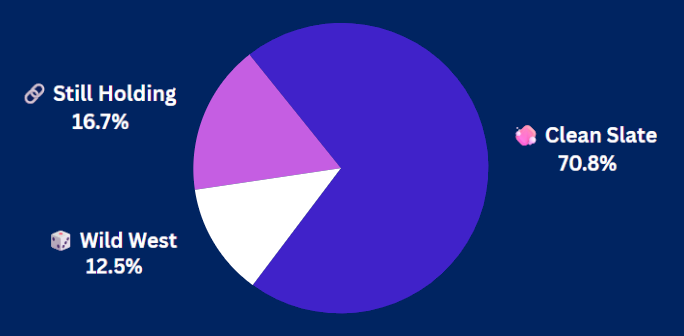
Yesterday's Pulse Check Results |
How safe are your browser plugins? |
|
|
Security Tools You Can Use |
|
|
Columbia University Breach Exposes Data of Nearly 870,000 People |
Columbia University confirmed a cyberattack that revealed personal data of 868,969 students, applicants, and employees. The breach, discovered after a June 24 outage, involved unauthorized access to admissions, enrollment, financial aid, and employee files. |
Source: Spencer Platt / Getty Images |
Exposed information includes Social Security numbers, contact details, academic history, and certain health and insurance records. While no ransomware group has claimed responsibility, the incident bears hallmarks of a targeted attack. Operations have been restored, and the university says no further malicious activity has been detected since June.
At any university, lock down your accounts with strong passwords and multi-factor authentication, and treat unsolicited messages about enrollment or financial aid like a scam until proven otherwise. |
FTC Warns of Surge in Scams Draining Older Adults’ Life Savings |
A new FTC report shows a sharp rise in schemes targeting retirees. An increasing number of scammers are posing as trusted agencies or companies to issue fake security alerts and create a false crisis. Victims, often 60 and older, are told their accounts are compromised or linked to crimes, then pressured to transfer funds “for protection.” From 2020 to 2024, reports from older adults losing $10,000+ to these scams quadrupled, while losses over $100,000 jumped nearly sevenfold. Criminals often rely on phone calls to maintain pressure, impersonating the FTC, Microsoft, or banks, and directing victims to send money via cryptocurrency ATMs, bank transfers, or even gold deliveries.
If you receive an unexpected security alert, hang up, verify using a trusted number, and never move money in response to an unsolicited request. |
|
|
Don’t Trust Unknown Crypto Contracts |
Criminals are hiding malicious code in fake crypto trading bots and investment tools, designed to drain your wallet as soon as you run them. They often post slick YouTube tutorials or code snippets online that promise quick profits but secretly reroute your funds. |
How to lock down your wallets: |
-
Only use smart contracts from verified, reputable sources.
- Avoid contracts with hidden or confusing code.
- Keep a clear inventory of all contracts tied to your accounts.
- Monitor wallets daily for unusual transactions.
-
Verify contract addresses independently before sending funds.
|
Remember, always treat any too-good-to-be-true crypto opportunity as a scam until proven otherwise. |
|
|
|
Greg Parker is a cybersecurity and emerging tech writer who explores the intersection of digital risk, human behavior, and innovation across sensing and security technologies. |
|
|
Protect your team with premium policies, guides, and more |
Cybersecurity Insider subscribers can now get 20% off an annual subscription to TechRepublic Premium and unlock unlimited access to hundreds of customizable policy templates, step-by-step checklists, and expert-written guides. Replace days of research and drafting with proven, plug-and-play resources that help your team harden defenses and stay audit-ready — fast. Use the code CSI20 at checkout. |
|
|
Cybersecurity Insider is a TechnologyAdvice business |
© 2025 TechnologyAdvice, LLC. All rights reserved. |
TechnologyAdvice, 3343 Perimeter Hill Dr., Suite 100, Nashville, TN 37211, USA. |
|
|
|