Watch your backs, Digital Defenders. |
CISA drops a new malware-fighting toolkit… but attackers aren’t slowing down. Phishers are gaming Microsoft 365, hackers are hijacking WordPress sites, and Dior’s leaking data.
Time to patch up and lock down. |
|
| Here’s what you need to know: |
|
|
CISA Launches Thorium to Supercharge Malware and Forensics Analysis |
Source: github.com/cisagov/thorium |
Developed with Sandia National Laboratories, Thorium supports software analysis, digital forensics, and incident response, all while offering fine-grained access control and Kubernetes-based scalability.
You can get your own copy of the platform with installation instructions from CISA’s official GitHub repository. |
Safe Links? Not Anymore: Phishers Bypass Microsoft 365 Security |
According to new research from Cloudflare, cybercriminals are abusing trusted link wrapping services from Proofpoint and Intermedia to bypass email security and deliver Microsoft 365 phishing attacks.
By hijacking legitimate email accounts, attackers ensure malicious URLs are automatically wrapped—making them appear safe. The scheme often involves an extra layer of obfuscation using URL shorteners like Bitly, creating a multi-tiered redirect that evades detection and leads victims to credential-stealing pages.
Always be cautious of unexpected login pages—even from trusted sources. Hover over links to inspect their true destination before clicking. |
Hackers Exploit Critical WordPress Theme Flaw for Mass Site Takeovers |
Threat actors are actively exploiting a critical zero-day vulnerability (CVE-2025-5394) in the "Alone – Charity Multipurpose Non-profit" WordPress theme, enabling full site takeovers through unauthenticated file uploads. The flaw has already been targeted in over 120,000 attack attempts, with exploitation beginning even before public disclosure, suggesting attackers are tracking update logs for early access to security flaws. WordPress site admins: patch immediately to avoid being compromised. |
|
|
What’s your biggest red flag in a phishing email? |
|
|
Friday's Pulse Check Results |
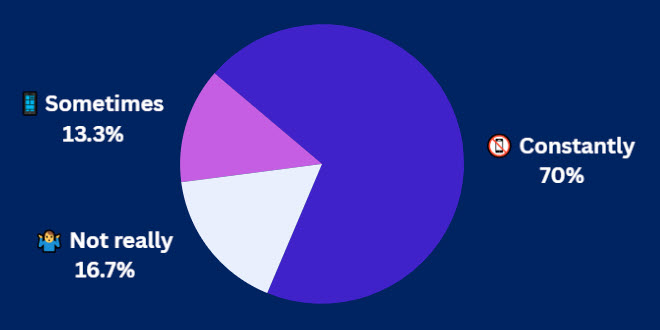
Scam calls lately? How bad has phone fraud been for you this year? |
|
|
Security Tools You Can Use |
|
|
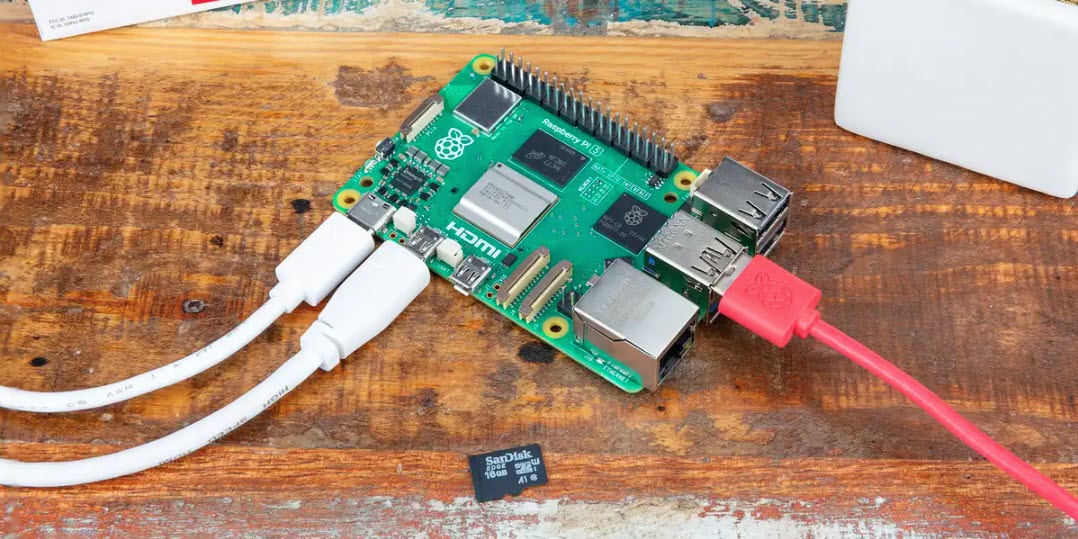
Hackers Use 4G-Linked Raspberry Pi to Breach ATM Networks |
Threat group UNC2891 has been caught planting a 4G-enabled Raspberry Pi inside a bank's ATM infrastructure, using physical access to connect the device to the internal network switch. |
This covert setup allowed attackers to bypass perimeter defenses and maintain remote control via a TINYSHELL backdoor and dynamic DNS, enabling ATM manipulation and potential financial theft. Organizations should secure access to equipment, check for rogue devices on their networks, and watch for unusual activity to catch threats like this early—before they lead to serious breaches. |
Luxury Brand Dior Hit by Data Breach Exposing IDs, Personal Info |
Dior is notifying US customers of a data breach that exposed sensitive personal details, including names, contact info, addresses, birthdates, and in some cases, Social Security numbers and government-issued IDs.
The breach occurred in January 2025 but went undetected until May 7, with customer notifications delayed until late July. While Dior confirmed no payment data was compromised, the delay in disclosure and the nature of the data involved have raised serious concerns regarding the company’s handling of the attack. If you’re a Dior customer, monitor your credit report and be on alert for phishing attempts. |
|
|
How to Prevent Rogue Devices From Violating Your Privacy |
Rogue devices pose a growing threat to modern networks by slipping past traditional defenses and creating hidden vulnerabilities. These devices can range from accidentally connected unauthorized access points to deliberately implanted hardware designed to steal data or hijack network resources. |
Rogue wireless access points are especially dangerous, allowing attackers to slip in and monitor network traffic undetected. Spotting them takes more than basic security. It requires advanced detection, constant vigilance, and flexible policies. |
Tips to protect against rogue devices: |
-
Enforce strict access controls with certificate-based authentication.
- Monitor traffic and device behavior for anomalies.
- Utilize AI tools to identify subtle inconsistencies in activity.
- Encrypt data in transit, at rest, and in configs.
-
Segment the network to prevent unauthorized access.
- Automate patching to keep systems up-to-date.
|
Above all else, staying proactive with continuous visibility is key to spotting rogue devices. When threats hide in plain sight, seeing them fast can mean the difference between a quick fix and a full-blown breach. |
|
|
| Leon Yen is a cybersecurity expert and seasoned tech journalist with over a decade of experience, including founding a cyber risk startup and leading industry-focused research and reporting. |
|
|
Protect your team with premium policies, guides, and more |
Cybersecurity Insider subscribers can now get 20% off an annual subscription to TechRepublic Premium and unlock unlimited access to hundreds of customizable policy templates, step-by-step checklists, and expert-written guides. Replace days of research and drafting with proven, plug-and-play resources that help your team harden defenses and stay audit-ready — fast. Use the code CSI20 at checkout. |
|
|
Cybersecurity Insider is a TechnologyAdvice business |
© 2025 TechnologyAdvice, LLC. All rights reserved. |
TechnologyAdvice, 3343 Perimeter Hill Dr., Suite 100, Nashville, TN 37211, USA. |
|
|
|