Watch your back, Digital Defenders. |
Password storage is vanishing, scam calls are getting smarter, and backup systems are under siege. As Minnesota calls in the National Guard, new threats are hitting both home networks and the cloud. |
|
|
Here’s what you need to know: |
|
|
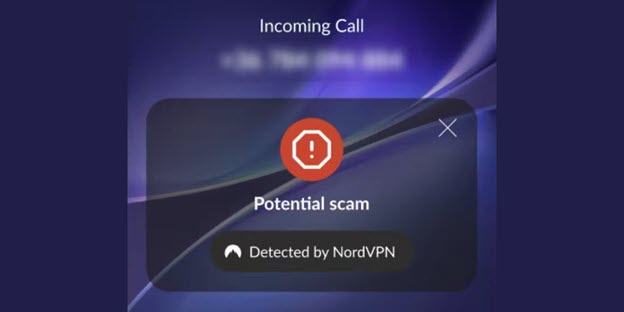
Android Users, Rejoice: NordVPN Just Dropped a Scam Slayer |
Integrated into the NordVPN app as part of its Threat Protection Pro suite, the tool flags suspicious numbers in real time by checking call metadata against a threat database—no VPN connection required. The feature is currently exclusive to Premium subscribers and marks NordVPN’s latest push to protect digital privacy beyond the web.
Android-based NordVPN users can try the new feature by navigating to the Threat Protection screen and enabling it. |
Microsoft Authenticator Passwords Gone? Here’s What Happened |
Microsoft wiped all stored passwords from Authenticator as of Aug. 1, leaving only those already synced to your Microsoft account. Autofill is disabled, and unsynced generator passwords and payment cards are lost for good. Addresses now sync to your Microsoft account instead.
Microsoft says the move promotes passkeys and consolidates autofill into Edge. Missed the export window? You can still export passwords from Edge to 1Password, Bitwarden, or iCloud Keychain. To check what’s left, visit edge://passwords in Microsoft Edge and review your saved credentials. |
Google Warns: Hackers Are Targeting Your Cloud Backups |
According to Google Cloud’s H2 2025 Threat Horizons Report, cybercriminals are moving from primary data to cloud backup targets to boost the success of extortion attacks.
With credential theft fueling nearly half of cloud breaches and malware spreading via services like Google Drive and GitHub, Google urges tighter IAM controls, permission audits, and file monitoring. To prevent backup attacks, implement stronger patching and identity protection processes to block the most common points of failure. |
|
|
Scam calls lately? How bad has phone fraud been for you this year? |
|
|
Yesterday's Pulse Check Results |
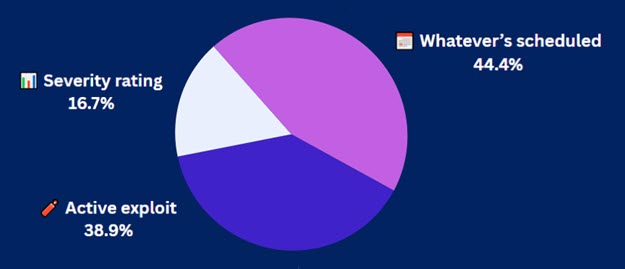
What triggers your patching process? |
|
|
Security Tools You Can Use |
-
NinjaOne helps you keep tabs on every device in your environment—from mobile phones to servers—so nothing slips through the cracks.
-
This ready-to-use Antivirus Policy template helps your organization build a strong first line of defense by setting clear expectations for malware protection.
|
|
|
Minnesota Deploys National Guard After Cyber Attack Cripples St. Paul |
Minnesota Governor Tim Walz has declared a state of emergency and activated the National Guard cyber unit following a major cyberattack that disrupted critical services in St. Paul. |
The assault began last Friday and extended through the weekend, forcing city officials to shut down information systems. It also crippled online payment portals, public Wi-Fi, and some municipal operations. While 911 remains operational, the full scope of the damage and potential data theft is still under investigation, with federal agencies and private cybersecurity firms now involved in the response. |
Critical Flaws in Dahua Smart Cameras Allow Unauthenticated Remote Takeover |
Researchers from Bitdefender have uncovered two now-patched critical vulnerabilities in Dahua smart camera firmware that could let attackers remotely hijack affected devices without authentication.
The flaws stem from buffer overflows in the ONVIF protocol and file upload handler, enabling remote code execution or denial-of-service attacks. Attackers can exploit these bugs to gain root-level access and bypass firmware integrity checks. Patch your devices immediately to avoid being compromised, especially in high-security environments like casinos, warehouses, and residential surveillance systems. |
|
|
Black Hat USA attendees: Do you know your blindspots? Attackers do. And even the most secure environments have them. Join Marcus Hutchins—the cybersecurity legend who stopped WannaCry—for this high-stakes, hands-on, 90-minute cyber crisis simulation. Expose gaps. Shatter assumptions. |
|
|
How to Detect and Prevent ‘Camfections’ |
Eyeing your webcam suspiciously? You’re probably onto something. Hacked webcams, or “camfections,” start with malware that gives attackers remote control of your camera—and potentially access to your files, messages, and browsing history. |
A tell-tale sign of camfection is if your webcam’s indicator light turns on or blinks unexpectedly, even when it hasn’t been activated. If you find your webcam is already in use when you try to activate it, or if you discover unknown audio/video files, your computer may have been compromised. |
Here are some tactics for preventing camfections: |
- Enable your computer’s firewall to block suspicious connections.
- Use reliable antivirus software with real-time protection.
- Watch out for phishing scams and don’t click on unknown links or attachments.
- Avoid using public Wi-Fi without a VPN to prevent attackers from intercepting your data.
- Physically cover your webcam with tape or a sliding cover for guaranteed privacy.
|
Staying vigilant and practicing good cybersecurity hygiene can significantly reduce the risk of webcam spying. |
|
|
| Leon Yen is a cybersecurity expert and seasoned tech journalist with over a decade of experience, including founding a cyber risk startup and leading industry-focused research and reporting. |
|
|
Protect your team with premium policies, guides, and more |
Cybersecurity Insider subscribers can now get 20% off an annual subscription to TechRepublic Premium and unlock unlimited access to hundreds of customizable policy templates, step-by-step checklists, and expert-written guides. Replace days of research and drafting with proven, plug-and-play resources that help your team harden defenses and stay audit-ready — fast. Use the code CSI20 at checkout. |
|
|
Cybersecurity Insider is a TechnologyAdvice business |
© 2025 TechnologyAdvice, LLC. All rights reserved. |
TechnologyAdvice, 3343 Perimeter Hill Dr., Suite 100, Nashville, TN 37211, USA. |
|
|
|