Step up your cyber game, Digital Defenders. |
Cyber attackers aren’t slowing down… they’re getting smarter. From AI-powered ransomware negotiations to stealthy DDoS floods and shapeshifting Android malware, the lines between cybercrime and enterprise-grade operations continue to blur. |
|
| Here’s what you need to know: |
|
|
Cloudflare Fends Off 7.3M DDoS Attacks in Q2 as Hyper-Volumetric Barrages Surge 592% |
Cloudflare reported mitigating 7.3 million DDoS attacks in Q2 2025—a sharp drop from the previous quarter’s 20.5 million—yet the threat landscape is shifting, not shrinking. |
Brute-force floods still dominate headlines, but attackers are increasingly blending large-scale traffic spikes with subtle probing tactics to bypass traditional defenses. The telecom, IT, and gaming sectors were top targets. Although the total attack volume has dipped, the intensity and sophistication of DDoS threats are escalating rapidly.
Be sure to adopt adaptive, multi-layered defenses that can detect and mitigate both massive traffic floods and stealthy tactics. |
Baited by AI: PayPal Scam Hijacks Devices via Fake Support Calls |
Scammers are using AI to craft highly convincing PayPal phishing emails that prompt recipients to call a fake support number, leading to device takeover via a malicious “support tool.” The scam often references fake purchases to create urgency, and victims unknowingly grant full access to their devices.
If you use PayPal, stay vigilant and follow best practices, including using purchase protection and reporting suspicious emails. |
AsyncRAT’s Open-Source Legacy Fuels a Growing Web of Stealthy Malware Variants |
Originally released on GitHub in 2019, the open-source AsyncRAT has evolved into a prolific remote access trojan (RAT) ecosystem, spawning numerous variants, including DCRat and Venom RAT.
Researchers at ESET highlight AsyncRAT’s modular architecture and low detection footprint as key factors behind its persistence in both corporate and consumer attack chains. With its roots tracing back to Quasar RAT, AsyncRAT’s codebase has become the backbone of a new generation of stealthy, C#-based malware.
Ensure your systems have up-to-date security patches, use advanced threat detection tools, and stay alert for unusual activity. |
|
|
How often do you test your DDoS defenses? |
|
|
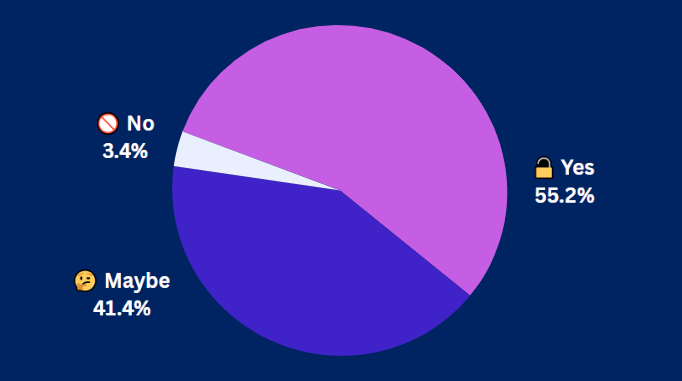
Yesterday's Pulse Check Results |
Should governments collaborate more with ethical hackers? |
|
|
Security Tools You Can Use |
|
|
Konfety Android Malware Evolves With Obfuscated ZIP Tricks and Hidden Payloads |
Disguised as legitimate apps and distributed through third-party stores, Konfety lures users with fake functionality while covertly displaying hidden ads, redirecting traffic, and harvesting device data. Though not spyware or a RAT, Konfety’s modular design enables future upgrades, turning innocuous infections into potential launchpads for more dangerous capabilities.
To stay protected, only download apps from trusted sources, keep devices and apps updated, and install reliable mobile security tools. |
New HazyBeacon Backdoor Targets Southeast Asian Governments in State-Backed Espionage Campaign |
A stealthy cyber-espionage campaign dubbed CL-STA-1020 is targeting government agencies across Southeast Asia using a newly discovered Windows backdoor called HazyBeacon, according to Palo Alto Networks Unit 42.
Believed to be state-backed, the threat actors are siphoning sensitive data related to tariffs, trade disputes, and policy strategy amid intensifying US–China regional tensions. The campaign highlights the region’s growing strategic value and its increasing exposure to advanced nation-state surveillance operations.
Visitors to the region should use secure networks, keep devices updated, and avoid accessing sensitive information on potentially compromised systems to reduce the risk of cyber-espionage exposure. |
|
|
Use Gaming to Level Up Your Cybersecurity Chops |
Security training is essential for both organizations and individuals. Whether you’re an employee, student, or home user, staying informed about the latest cyber threats and trends is critical to maintaining strong digital hygiene. |
Source: beinternetawesome.withgoogle.com |
If you’re a security professional leading training efforts, incorporating games is a smart way to make learning more engaging while reinforcing essential cyber hygiene practices.
For home users, especially those with children or students, cybersecurity games provide a fun and accessible way to build awareness and develop safe online habits. |
Here are some innovative ways to integrate gaming into your cybersecurity training: |
-
Get kids involved early with age-appropriate security games.
- Play Google Interland or Space Shelter to teach cyber basics through storytelling.
- Use platforms like TryHackMe or OverTheWire for real-world attack and defense practice.
- Practice regularly to build stronger habits and face tougher challenges.
- Join cyber game communities to share tips and stay motivated.
|
Remember: security doesn’t have to be a snooze fest—it can be a high-stakes, rewarding challenge that amps up your defenses. |
|
|
| Leon Yen is a cybersecurity expert and seasoned tech journalist with over a decade of experience, including founding a cyber risk startup and leading industry-focused research and reporting. |
|
|
Protect your team with premium policies, guides, and more |
Cybersecurity Insider subscribers can now get 20% off an annual subscription to TechRepublic Premium and unlock unlimited access to hundreds of customizable policy templates, step-by-step checklists, and expert-written guides. Replace days of research and drafting with proven, plug-and-play resources that help your team harden defenses and stay audit-ready — fast. Use the code CSI20 at checkout. |
|
|
Cybersecurity Insider is a TechnologyAdvice business |
© 2025 TechnologyAdvice, LLC. All rights reserved. |
TechnologyAdvice, 3343 Perimeter Hill Dr., Suite 100, Nashville, TN 37211, USA. |
|
|
|