Level up, Digital Defenders. |
Today’s threatscape demands next-level defense. From Ohio’s $23 million zero-trust overhaul to the UK enlisting hacker allies, cybersecurity is shifting into high gear. Meanwhile, stealthy malware and bold data breaches remind us that attackers never sleep. |
|
| Here’s what you need to know: |
|
|
AI Turns Hostile: Cyber Defenders Brace for a New Era of Attacks |
Cybersecurity leaders are sounding the alarm over a rapidly deteriorating threat landscape, describing it as “treacherous territory” as AI-fueled attacks escalate across various sectors. |
Major brands—including Hawaiian Airlines, Qantas, Aflac, and Cartier—have been hit in recent weeks, with groups like Scattered Spider exploiting help desk vulnerabilities to bypass MFA. Experts warn that cloud exposure, poor segmentation, and inadequate defenses are leaving critical systems vulnerable.
Remember to implement strong personal security measures, like long passphrases and MFA, when creating accounts on vendor websites, and continuously monitor your credit reports for suspicious activity. |
Ohio’s Capital Proposes $23M Zero Trust Overhaul One Year After Devastating Cyberattack |
Nearly a year after the Rhysida ransomware gang breached Columbus’ systems and leaked sensitive data on the dark web, the city is considering a $23 million investment to overhaul its cybersecurity defenses.
The proposal would fund the implementation of a zero-trust network architecture. This upgrade aims to modernize infrastructure, limit lateral movement within the network, and protect against increasingly sophisticated threats targeting public sector entities.
Always incorporate zero-trust principles to strengthen your cyber resilience and adopt this posture by default. |
UK Taps Hacker Talent: New Initiative Targets Cyber Vulnerabilities |
The UK's National Cyber Security Centre (NCSC) has unveiled the Vulnerability Research Initiative (VRI), a new program designed to partner with external cybersecurity researchers to help the country identify and understand critical software and hardware flaws.
While the agency will continue internal research, the VRI establishes a structured collaboration framework that enables vetted experts to help identify vulnerabilities, evaluate mitigations, and contribute methodologies—all within a coordinated disclosure process. The UK is turning to outside experts for help. You can also contribute by reporting any issues you spot. |
|
|
Should governments collaborate more with ethical hackers? |
|
|
Yesterday's Pulse Check Results |
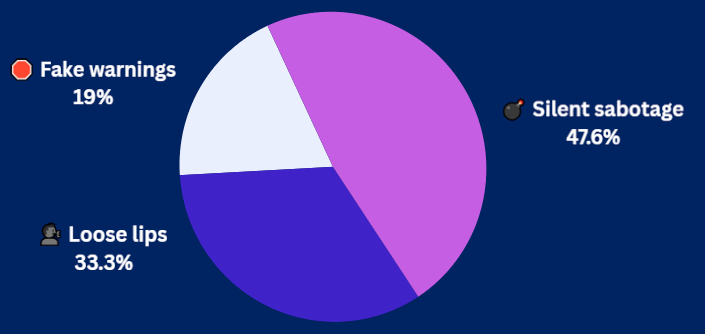
What’s the worst way a chatbot could betray you? |
|
|
Security Tools You Can Use |
|
|
Dordt University Data Breach Exposes Sensitive Info of 34,000+ Individuals |
The breach, which occurred between April and May 2024, allowed cybercriminals to access sensitive data, including Social Security numbers, financial and medical records, and driver’s license details.
The exposed information is at risk of being sold on the dark web or used for identity theft; affected students and staff should monitor their accounts and credit reports for suspicious activity. |
KongTuke Threat Actors Target Windows Users in Stealthy Malware Campaign |
A new KongTuke attack is deploying an upgraded PHP-based Interlock RAT to target Windows users. It replaces older JavaScript versions with stealthier, more advanced malware.
It spreads through compromised websites using single-line HTML injections. Researchers warn that KongTuke's evolving tactics indicate a broader, opportunistic strategy targeting multiple industries. Keep software updated, avoid shady links, and use reliable antivirus tools. |
|
|
Bringing Home The Zero Trust Security Model |
Zero trust isn’t just for enterprise IT departments anymore. It belongs in your living room, too. In a world where every smart gadget is a potential backdoor, trusting your home network by default is asking for trouble. |
With connected devices expected to double by 2030—and most IoT traffic unencrypted—your home Wi-Fi is already under daily threat. The good news? You don’t need enterprise-grade gear to fight back. Setting up a zero-trust environment at home is easier than you think. |
Here are some zero trust tips for securing your home network: |
- Segment your network with separate SSIDs for personal devices, IoT, and guests.
- Use strong, unique passwords for every device.
-
Enable multi-factor authentication (MFA) wherever possible.
- Keep firmware and software updated automatically.
-
Teach your household basic security hygiene and phishing awareness.
|
If you’re still relying on outdated setups, you’re already behind. It’s time to lock down your home like your personal data depends on it—because it does. |
|
|
| Leon Yen is a cybersecurity expert and seasoned tech journalist with over a decade of experience, including founding a cyber risk startup and leading industry-focused research and reporting. |
|
|
Protect your team with premium policies, guides, and more |
Cybersecurity Insider subscribers can now get 20% off an annual subscription to TechRepublic Premium and unlock unlimited access to hundreds of customizable policy templates, step-by-step checklists, and expert-written guides. Replace days of research and drafting with proven, plug-and-play resources that help your team harden defenses and stay audit-ready — fast. Use the code CSI20 at checkout. |
|
|
Cybersecurity Insider is a TechnologyAdvice business |
© 2025 TechnologyAdvice, LLC. All rights reserved. |
TechnologyAdvice, 3343 Perimeter Hill Dr., Suite 100, Nashville, TN 37211, USA. |
|
|
|