Shields up, Digital Defenders. |
This week’s cyberthreats don’t knock—they sneak in. Whether it’s malware hiding in Chrome extensions, trojans buried inside “helpful” Android apps, or AI-powered fakes rewriting reality, digital danger is just one careless click away. Let’s break down the risks you didn’t see coming. |
|
| Here’s what you need to know: |
|
|
The Chrome Extensions Spying on 2.3M Users |
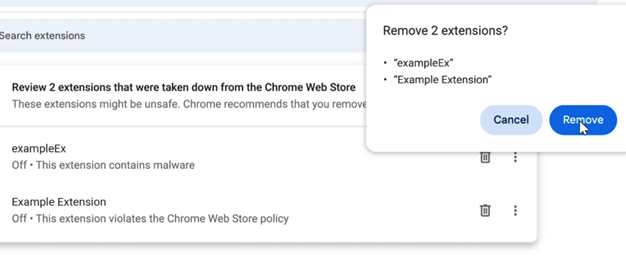
Researchers at Koi Security have uncovered 18 Chrome extensions with over 2.3 million downloads that secretly track users, hijack browser activity, and redirect traffic to sketchy websites. |
Source: security.googleblog.com. |
Some of these extensions, disguised as tools such as VPNs, emoji keyboards, and sound boosters, remain live on the Chrome Web Store despite being reported by Koi Security. If you’re a Chrome user, check your extensions and remove any suspicious entries immediately. |
Trojan Alert: Anatsa Banking Malware Slips Into Google Play |
Researchers have uncovered a new wave of the Anatsa Android banking trojan targeting users in the US and Canada through malicious apps on the official Google Play Store.
Masquerading as legitimate tools like PDF viewers, the apps initially function normally before delivering updates that install Anatsa—also known as TeaBot—on users' devices. The malware uses fake banking overlays, keylogging, and full device-takeover tactics to steal credentials and drain accounts. Remember to download apps from trusted developers and avoid any programs that request unnecessary permissions. |
Supply Chain Attack Hits Microsoft VS Code Extension ETHcode, Infecting Thousands |
Security researchers have uncovered a supply chain attack targeting the popular Microsoft Visual Studio Code extension ETHcode, used for deploying Ethereum smart contracts.
The extension, with over 6,000 installs, was compromised via a malicious GitHub pull request in June 2025 that injected hidden code. This code added a heavily obfuscated npm package—“keythereum-utils”—which launched a hidden PowerShell script to download further malware.
Developers: Stay ahead of emerging risks in software supply chains, particularly for blockchain development tools that rely on open-source contributions. |
|
|
Which mobile platform do you trust more for security? |
|
|
Yesterday's Pulse Check Results |
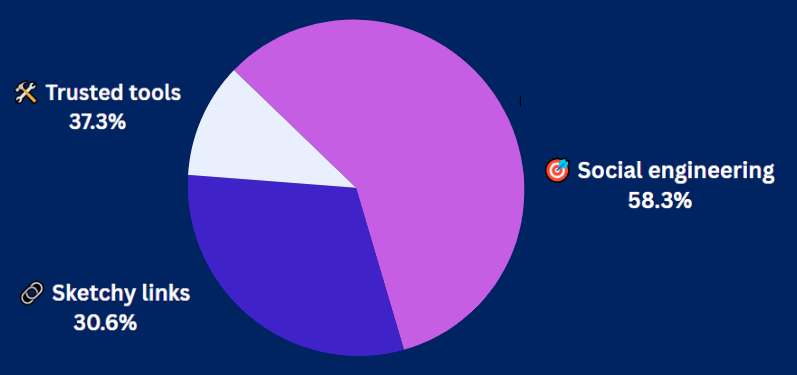
What’s your biggest cybersecurity blind spot? |
|
|
Security Tools You Can Use |
- Check out our top picks for the best vulnerability management software, because if you don’t discover your own security gaps, a cyberattacker surely will.
-
NinjaOne enables you to manage everything from your smartphone to your servers, all from a single service.
-
LogMeOnce provides a safer, easier, and more user-friendly password management solution. Now get 10% off the Ultimate Edition Password Manager.
-
Establish clear rules for app downloads across your team with this customizable Software Installation Policy Template from TechRepublic Premium.
|
|
|
Triage Staffing Data Breach Exposes Personal Info of Employees, Ex-Staff |
Triage Staffing, an Omaha-based healthcare staffing firm, has announced that a data breach in May 2025 may have compromised the personal information of current and former employees. |
According to the breach notice, threat actors may have viewed and obtained sensitive personal data, including names, birthdates, and Social Security numbers. Affected individuals have begun receiving breach notifications, with some reports suggesting stolen data may already be circulating on the dark web.
Current and former Triage staff should monitor their credit reports closely, consider placing a fraud alert or credit freeze, and watch for signs of identity theft or suspicious activity. |
Global Scam Network Uses Fake News Sites to Lure Victims Into Investment Traps |
A global scam campaign known as Baiting News Sites (BNS) is using fake versions of outlets like CNN and BBC to push victims toward fraudulent investment platforms.
Clickbait ads on Google and Meta lead users to slick sites like Trap10 and Eclipse Earn. Once hooked, victims face fake advisors, scripted calls, and ID checks, all designed to delay withdrawals and drain more money before suspicions kick in. Always verify the source of news articles and investment opportunities, especially if they're promoted through ads or feature too-good-to-be-true claims. |
|
|
Beware of AI-Powered Fake App Reviews |
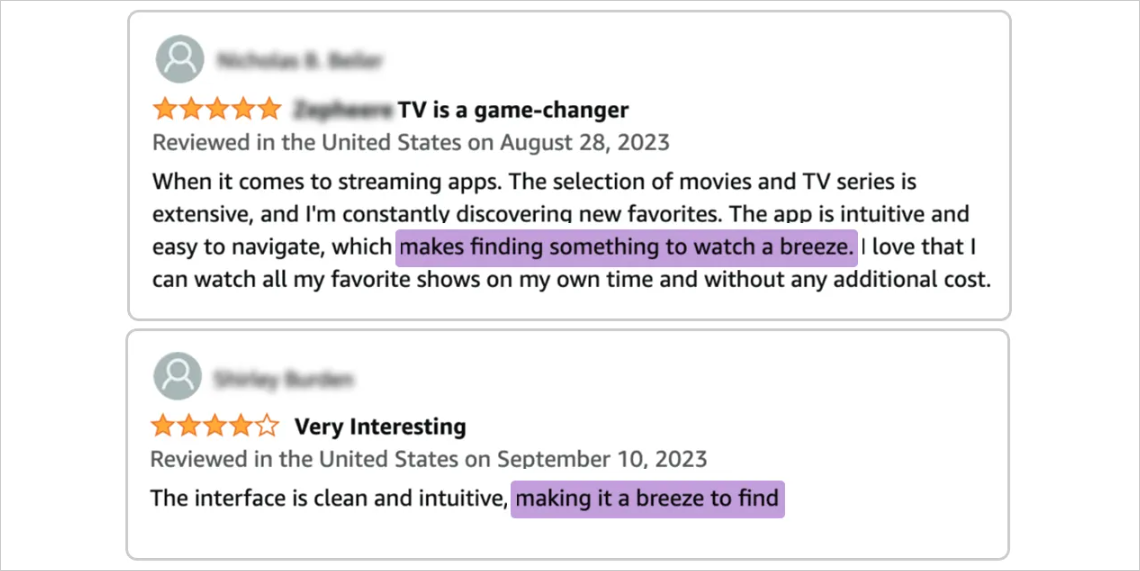
Does that 5-star review seem too good to be true? It probably is. Generative AI tools like ChatGPT and Anthropic have cracked content creation wide open—not just for creators, but also for scammers. AI-generated fake reviews are luring users into apps loaded with ads or hidden malware that hijack devices, drain batteries, and run stealth scams. |
Source: doubleverify.com. |
Look out for these red flags in suspicious apps: |
- Suspicious reviews: Overly positive, robotic, or repetitive language.
- Excessive permissions: Requests access beyond the app’s purpose.
- Reviewer patterns: Identical styles or users only active on one app.
-
Device performance: Sudden battery drain or data spikes after install.
- Security tools: Use trusted apps to scan for hidden malware.
|
Staying safe means staying vigilant and spotting the signs of fraud early, before it takes over your digital life. |
|
|
| Leon Yen is a cybersecurity expert and seasoned tech journalist with over a decade of experience, including founding a cyber risk startup and leading industry-focused research and reporting. |
|
|
Protect your team with premium policies, guides, and more |
Cybersecurity Insider subscribers can now get 20% off an annual subscription to TechRepublic Premium and unlock unlimited access to hundreds of customizable policy templates, step-by-step checklists, and expert-written guides. Replace days of research and drafting with proven, plug-and-play resources that help your team harden defenses and stay audit-ready — fast. Use the code CSI20 at checkout. |
|
|
Cybersecurity Insider is a TechnologyAdvice business |
© 2025 TechnologyAdvice, LLC. All rights reserved. |
TechnologyAdvice, 3343 Perimeter Hill Dr., Suite 100, Nashville, TN 37211, USA. |
|
|
|