Prime Day’s here…and so are the scams, Digital Defenders. |
In today’s cybersecurity briefing: 120K fake Amazon sites pop up in time for Prime Day, rival hacker groups clash in a digital turf war, and a Silk Typhoon hacker gets nabbed in Italy for cyberespionage. |
|
|
Here’s what you need to know: |
|
|
Shopping Prime Day? Watch Out for 120K Fake Amazon Sites |
Security researchers at NordVPN have discovered 120,000 fake Amazon websites just as the tech giant kicked off Prime Day on July 8. |
Source: Unsplash / Marques Thomas |
According to Forbes, thousands of Amazon-impersonating websites laced with malware, phishing, and scams have appeared over the past two months.
Among them: 92,000 phishing domains using the Amazon name and 21,000 malicious pages loaded with malware installers. Prime Day PSA: Stick to Amazon’s official site and mobile app when browsing deals. And if a page promises something that seems too good to be true? It probably is. |
‘Hacker War’ Erupts Between DragonForce and RansomHub Threat Groups |
A turf war has erupted between rival cybercrime groups DragonForce and RansomHub, raising concerns about a surge in double extortion attacks and heightened cyber activity.
The conflict began when DragonForce rebranded itself as a “cartel,” expanding operations and taking RansomHub’s site offline. In response, a RansomHub hacker defaced DragonForce’s site and branded them traitors. Experts warn the feud could lead to repeated attacks as both groups attempt to assert dominance.
Recent cyber victims should immediately review incident response plans, monitor for renewed threat activity, and prepare for potential follow-up ransomware attacks. |
Think Before You Click: SEO Poisoning Lures IT Teams to Fake IT Tool Sites |
Researchers at Arctic Wolf have uncovered a stealthy SEO poisoning campaign in which threat actors target IT professionals by creating fake websites that impersonate popular tools, such as PuTTY and WinSCP.
Per Cybersecurity News, downloading software from these spoofed sites triggers Trojanized installers that silently deploy an Oyster/Broomstick backdoor. This malware establishes persistence on the system, opening the door to unauthorized access. IT Managers: Maintain a trusted internal software repository to reduce reliance on search engines when sourcing essential IT tools. |
|
|
What’s your biggest cybersecurity blind spot? |
|
|
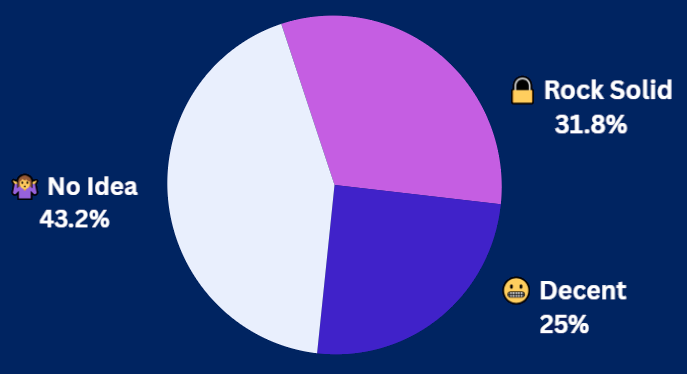
Yesterday's Pulse Check Results |
How secure is your home tech? |
|
|
Security Tools You Can Use |
|
|
Chinese-linked ‘Silk Typhoon’ Hacker Arrested in Italy for Cyberespionage |
Xu Zewei, a 33-year-old Chinese national, was arrested in Italy last week for his alleged ties to Silk Typhoon, a state-sponsored hacking group with a history of high-profile cyberespionage campaigns. |
Zewei is being investigated in connection with the group's 2020 cyberattacks targeting researchers studying infectious diseases during the COVID-19 pandemic. Silk Typhoon has also been linked to attacks against the US Treasury’s Office of Foreign Assets Control and the Committee on Foreign Investment.
During high-risk events, apply zero-trust principles and be on high alert. |
Turbulence Ahead: Qantas Hacker Makes Contact After Major Breach |
Following last week's breach that compromised the data of 6 million customers, Australian airline Qantas has confirmed that the cybercriminal responsible for the attack has contacted the company.
According to a Qantas spokesperson, the airline is working with the Australian Federal Police due to the criminal nature of the incident. It will not disclose further details while investigations are ongoing. Qantas customers: Enable MFA on all accounts and stay alert for unusual account behavior. |
|
|
Think You’re Safe from Swatting? Think Again |
As gamers continue to be targeted by hackers, streamers should be aware of an increasingly common threat known as swatting
As experts from eSecurityPlanet explain, swatting is a dangerous prank in which someone falsely reports a serious crime at a victim’s address, prompting an aggressive response from law enforcement. This tactic targets popular streamers, particularly those who inadvertently reveal personal details during their broadcasts. |
Source: eSecurity Planet.com |
Here’s how to protect yourself from swatting: |
- Limit your personal information online, especially your address or phone number.
- Use a VPN to mask your location and IP address.
- Disable geotagging on apps to prevent location leaks.
-
Report any suspicious messages to law enforcement right away.
|
Taking these precautions can help ensure your streams stay secure and your personal safety uncompromised. |
|
|
| Senior Staff Writer at TechnologyAdvice |
Luis Millares is a seasoned tech writer with broad experience reviewing consumer gadgets and enterprise software, offering clear, reliable insights across the latest in technology. |
|
| Into more than just malware and mayhem?
|
Stay sharp on AI, cloud, DevOps, and the tech players shaking things up. Subscribe to Daily Tech Insider for no-fluff rundowns and witty breakdowns delivered straight to your inbox—because knowing what’s next helps you stay secure. |
|
|
Into more than just malware and mayhem? |
Stay sharp on AI, cloud, DevOps, and the tech players shaking things up. Subscribe to Daily Tech Insider for no-fluff rundowns and witty breakdowns delivered straight to your inbox—because knowing what’s next helps you stay secure. |
|
|
Cybersecurity Insider is a TechnologyAdvice business |
© 2025 TechnologyAdvice, LLC. All rights reserved. |
TechnologyAdvice, 3343 Perimeter Hill Dr., Suite 100, Nashville, TN 37211, USA. |
|
|
|