Stay alert, Digital Defenders. |
China-owned VPN apps are snooping on your data. Facebook wants a peek at your entire camera roll. Health insurance scams are on the rise. And a severe server flaw could let hackers hijack entire data centers. |
|
|
Here’s what you need to know: |
|
|
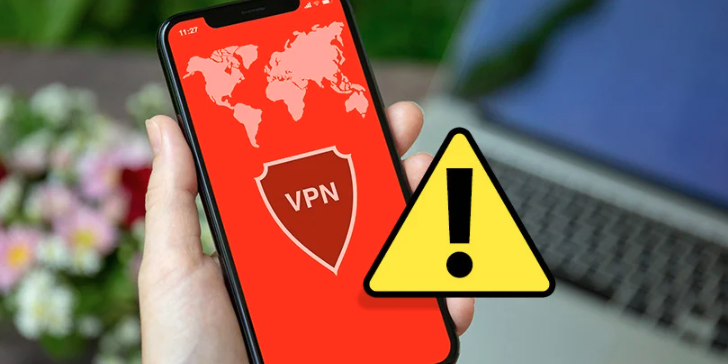
Apple and Google VPN Apps Expose Users to Chinese Surveillance |
Ten of the top 100 VPN apps on Apple’s App Store and Google Play are owned by Chinese companies. Researchers warn that these apps can hand over user data to the Chinese government at any time. |
Big names like Turbo VPN, VPN Proxy Master, and X-VPN rank highly and hide their ties behind shell companies. One app even boasts 192,000 reviews and a 4.7-star rating. Despite an April warning, 13 apps remain on the App Store and 11 on Google Play today. |
FBI Warns About Criminals Posing as Health Insurers |
Criminals are impersonating health insurers to trick patients and providers into sharing medical records and bank info, the FBI warns. They send emails and texts claiming to resolve billing issues or overpayments, prompting victims to disclose sensitive data.
The US healthcare system’s complexity makes it a prime target for these scams. Hackers often use leaked details, such as partial Social Security numbers, to appear legitimate. Many attacks come from well-organized criminal groups and state-backed actors aiming for direct financial theft.
Always verify requests using trusted contact numbers and never reply directly to suspicious messages. When in doubt, call your provider to confirm before sharing any personal information. |
Facebook Wants Access to Camera Roll for AI Photo Edits |
Facebook is prompting users to enable cloud processing to scan their entire camera roll for AI-generated collages and recaps. If approved, photos (even the ones you choose not to upload) get continuously sent to Facebook’s servers, where time, location, and content details are analyzed.
Meta claims suggestions stay private and won’t train AI models, but users must accept broad AI Terms that allow deep media analysis. The feature launches first in the US and Canada. It’s raising major concerns about the expansion of data use by Big Tech. Always review app permissions carefully. Avoid enabling broad photo access unless you fully trust how your images and personal details will be used. |
|
|
Would you allow Facebook to access your full camera roll for AI edits? |
|
|
Yesterday's Pulse Check Results |
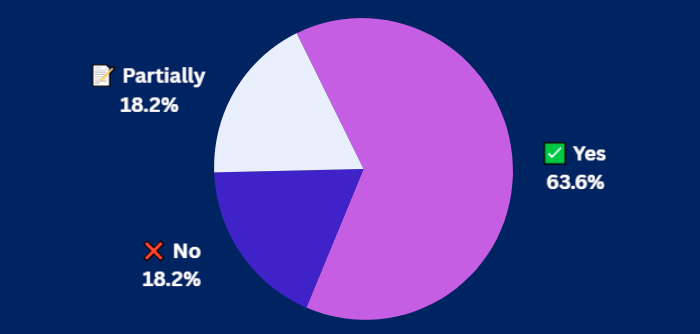
Has your organization trained for novel social engineering attacks like ClickFix? |
|
|
- We’ve rounded up the Best Cybersecurity Software to help you find the perfect digital bodyguard for your business.
-
NinjaOne is an all-in-one automated endpoint management platform that automates patching and secures backups to keep businesses running smoothly.
-
Hide.me VPN is a no-logs, high-speed VPN with advanced privacy features and self-maintained servers that support up to 10 devices for secure, private browsing.
|
|
|
CapCut Phishing Scam Targets Apple IDs and Credit Cards |
Cybercriminals are using fake CapCut invoices to trick users into giving up Apple ID credentials and credit card info. ByteDance-owned CapCut is a hugely popular video editing app used by millions for creating viral short videos. |
Victims receive urgent “Cancel your subscription” emails that link to a fake Apple login page on a suspicious domain. After entering credentials, they’re prompted for credit card details under the guise of processing a refund. Always visit official app or account pages directly instead of clicking email links. And contact support using verified numbers if unsure. |
US Warns of Critical Server Flaw Allowing Total Data Center Takeover
|
CISA warned that hackers are actively exploiting a critical flaw (CVE-2024-54085) in AMI MegaRAC firmware used by AMD, Nvidia, ARM, Fujitsu, Supermicro, and others. Attackers can implant undetectable code, steal credentials, or render servers unbootable.
The bug lets attackers bypass authentication and fully control baseboard management controllers (BMCs), which manage servers even when off. Exploits can even survive OS reinstalls and evade standard security tools.
Admins: Review BMCs and apply vendor patches now to prevent major breaches and operational shutdowns. Always verify firmware updates and restrict remote access to critical management interfaces. |
|
|
Building Management Systems Are Major Cyber Targets |
Think your building is safe? Hackers may already be inside. A study of 467,000 building management systems (BMS) found that 75% are vulnerable to cyberattacks. Many run outdated software with poor vendor support, making them prime targets for ransomware. |
Source: Broudy Precision / YouTube |
Here’s how to reduce your exposure: |
-
Inventory all BMS devices and their connections.
- Enforce MFA and vendor vetting for remote access.
- Patch vulnerabilities and monitor for suspicious activity.
|
Connected buildings offer efficiency. But without proper security, they’re open doors for cybercriminals. |
|
|
|
Greg Parker is a cybersecurity and emerging tech writer who explores the intersection of digital risk, human behavior, and innovation across sensing and security technologies. |
|
|
Into more than just malware and mayhem? |
Stay sharp on AI, cloud, DevOps, and the tech players shaking things up. Subscribe to Daily Tech Insider for no-fluff rundowns and witty breakdowns delivered straight to your inbox—because knowing what’s next helps you stay secure. |
|
|
Into more than just malware and mayhem? |
Stay sharp on AI, cloud, DevOps, and the tech players shaking things up. Subscribe to Daily Tech Insider for no-fluff rundowns and witty breakdowns delivered straight to your inbox—because knowing what’s next helps you stay secure. |
|
|
Cybersecurity Insider is a TechnologyAdvice business |
© 2025 TechnologyAdvice, LLC. All rights reserved. |
TechnologyAdvice, 3343 Perimeter Hill Dr., Suite 100, Nashville, TN 37211, USA. |
|
|
|