Heads up, Digital Defenders. |
In 2025, trust is the new attack surface. Deepfakes are pulling off million-dollar scams. AI jailbreaks are compromising safety guardrails. And healthcare providers are struggling to protect patient data. Let’s dig in. |
|
| Here’s what you need to know: |
|
|
Deepfake Scams Explode: $200M Lost in Q1 Alone |
Between January and April 2025, at least $200 million has been lost to “deepfake-enabled” fraud incidents.
According to Resemble AI’s Q1 2025 Deepfake Incident Report, the total stems from over 163 recorded deepfake scams, with the report highlighting a notable shift toward private citizens as the main target of cybercriminals. |
A recent deepfake incident resulted in a Singapore-based company losing over $25 million after one of its employees was tricked into wiring funds to a threat actor that used a deepfaked impersonation of the company’s CFO. Business owners: Incorporate deepfake awareness into cybersecurity training to keep employees ready for new deepfake techniques. |
China-based ‘Salt Typhoon’ Hackers Hit Canadian Telecom Company |
Chinese hacking group Salt Typhoon is believed to be behind a cyberattack on a Canadian telecom provider, exploiting a Cisco vulnerability to breach three network devices.
According to Ars Technica, the hacker group exploited CVE-2023-20198. This maximum-severity vulnerability enables unauthorized access and data collection from the victim’s internal network. The vulnerability has had a patch available since October 2023, pointing to a costly lapse in the provider’s security practices.
Use this as a reminder to stay on top of vulnerabilities across your tech stack and implement patches ASAP. |
Digital Cold War: Joint Cyber Initiative Against Russia Quietly Ends |
The Critical Infrastructure Defense Project—a 2022 initiative led by Cloudflare, Crowdstrike, and Ping Identity that aimed to counter Russian-linked cyber groups—has come to a quiet end.
According to Nextgov/FCW, a CrowdStrike spokesperson confirmed the end of the program. Launched in response to Russian cyber threats tied to the Ukraine war, the joint effort offered free security tools to at-risk critical infrastructure sectors in the US. Keep an eye out for free tools and services from major cybersecurity providers, as they can be vital resources during high-risk periods. |
|
|
How worried are you about deepfakes? |
|
|
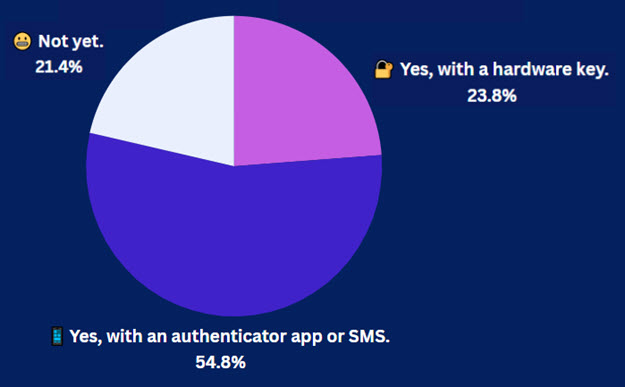
Yesterday's Pulse Check Results |
Are you using any form of multi-factor authentication (MFA) for email? |
|
|
‘Echo Chamber’ Jailbreak Tricks LLMs into Producing Harmful Content |
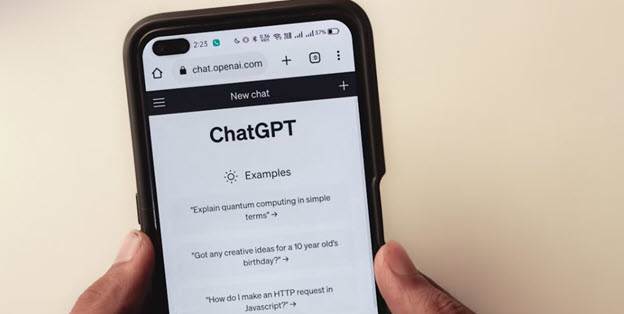
NeuralTrust researchers have uncovered an LLM jailbreak method called Echo Chamber, which breaks safeguards and tricks AI models into generating harmful content. |
Source: Unsplash / Sanket Mishra |
According to The Hacker News, the method involves using “early planted prompts” that influence the model’s responses. These prompts are later reused to gradually steer the model toward generating dangerous content and bypassing its own content policies. AI developers: Stay informed about emerging jailbreak techniques and stress-test your models to ensure guardrails can withstand prompt manipulation tactics, such as Echo Chamber. |
1,000 SOHO Devices Compromised as Part of ‘LapDogs’ Botnet By Chinese APT |
At least 1,000 small office/home office (SOHO) devices have been compromised as part of the “LapDogs” botnet—an attack campaign from China-nexus threat actors targeting regions in Asia and the US.
According to Infosecurity Magazine, hackers are using a custom “ShortLeash” backdoor that generates fake TLS certificates, spoofed as being signed by the “LAPD” (the Los Angeles Police Department), thereby helping it evade detection. This enables cyber-espionage campaigns that could impact routers, IoT devices, and the local networks of SOHO devices.
Remember to update your SOHO and IoT device firmware regularly and monitor for unusual network behavior. |
Ransomware Hits McLaren Health, Affecting 743K Patients |
Following a ransomware attack in August 2024, McLaren Health Care has disclosed a data breach that potentially leaked the personal information of over 743,000 individuals.
According to Security Week, the Michigan-based healthcare provider has notified affected individuals that the breach may have exposed names, Social Security numbers, health insurance details, driver’s license numbers, and other personal data. McLaren clients: Contact the provider and take advantage of their free credit monitoring services to help minimize potential damage. |
|
|
Lying Online Can Save Your Identity |
The April breach of retail giant Marks and Spencer—blamed on “human error”—serves as a stark reminder to strengthen your organization’s cybersecurity practices. In Yahoo News UK’s coverage of the incident, Huntress researcher Truman Kain offered a smart tip: never use real-world answers for your online security questions.
|
Why? Hackers can easily find answers to common security prompts—like your mother’s maiden name, first pet, or high school—by scraping through your social media or combing through past data breaches. Once they have that info, they can reset your passwords and access your accounts in a snap. |
Instead, treat security question answers like second passwords: |
- Use fake but memorable answers (Your first car? → LightningMcQueen77).
- Don’t reuse the same answers across accounts.
- Store your answers in a password manager if you can’t remember them all.
-
Choose security questions with answers only you would know (and avoid predictable ones if given a choice).
|
This small tweak can deter even a determined attacker trying to compromise your online accounts. |
|
|
| Senior Staff Writer at TechnologyAdvice |
Luis Millares is a seasoned tech writer with broad experience reviewing consumer gadgets and enterprise software, offering clear, reliable insights across the latest in technology. |
|
|
Into more than just malware and mayhem?
|
Stay sharp on AI, cloud, DevOps, and the tech players shaking things up. Subscribe to Daily Tech Insider for no-fluff rundowns and witty breakdowns delivered straight to your inbox—because knowing what’s next helps you stay secure. |
|
|
Into more than just malware and mayhem? |
Stay sharp on AI, cloud, DevOps, and the tech players shaking things up. Subscribe to Daily Tech Insider for no-fluff rundowns and witty breakdowns delivered straight to your inbox—because knowing what’s next helps you stay secure. |
|
|
Cybersecurity Insider is a TechnologyAdvice business |
© 2025 TechnologyAdvice, LLC. All rights reserved. |
TechnologyAdvice, 3343 Perimeter Hill Dr., Suite 100, Nashville, TN 37211, USA. |
|
|
|