Stay alert, Digital Defenders! 🛡️ |
Malware is hiding in GitHub. Hackers are slipping past Gmail defenses. Even Google search results are being weaponized. These threats aren’t just aggressive — they’re deceptive. Let’s break down today’s biggest threats and how to respond. |
|
| Here’s what you need to know: |
|
|
Netflix, Apple, and BofA Targeted in Google Search Scam |
Attackers are purchasing Google ads that display fake support phone numbers at the top of search results for companies such as Netflix, Apple, and Bank of America. The ads link to real company websites but include a search query with a fake support phone number. |
Source: MalwarebytesLABS.com |
Victims searching for help see the fake number listed in the search results and call scammers posing as support agents. The scammers steal credentials, financial information, or gain remote access to victims’ devices.
Watch for phone numbers appearing in URLs or unusual search terms, such as “call now” or “emergency support,” in the browser address bar. Also, remember: legitimate support agents will never ask for passwords, bank account numbers, or remote access. |
CoinMarketCap Removes Malicious Wallet Pop-Up After Phishing Attempt |
CoinMarketCap removed malicious code after a pop-up on its site instructed users to verify wallets and approve ERC-20 token access. Attackers attempted to collect wallet credentials and token permissions through the fake prompt.
MetaMask and Phantom identified the threat, and Phantom blocked the site as unsafe. The incident follows CoinMarketCap’s 2021 breach that exposed 3.1 million user email addresses. If you use crypto, always avoid interacting with unexpected wallet prompts and use wallet extensions that block known phishing sites. |
Russian State Hackers Bypass Gmail MFA in Targeted Phishing |
Russian state-backed group UNC6293 (linked to APT29) bypassed Gmail multi-factor authentication by tricking targets into generating app-specific passwords. Victims unknowingly handed over credentials that granted full Gmail access.
The hackers posed as US State Department officials and targeted academics and Kremlin critics with fake meeting invites between April and June. Google and Citizen Lab linked the campaign to VPS servers and residential proxies, which masked the attacker's access. Eliminate app-specific passwords, enforce hardware security keys, and enable Google’s Advanced Protection Program to block similar credential hijacking attempts.
|
|
|
Are you using any form of multi-factor authentication (MFA) for email? |
|
|
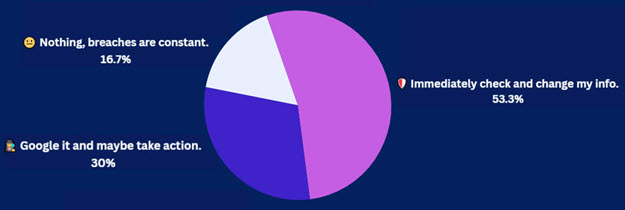
Yesterday's Pulse Check Results |
When a breach hits the news, what do you do? |
|
|
- NordLayer is a powerful business VPN that keeps your team safe, your data secure, and your business running smoothly from anywhere.
-
OysterVPN is a one-time purchase lifetime VPN that gives you unlimited global streaming, data encryption, and protects up to 10 devices with fast servers.
-
Don't let anything slip through the cracks with this comprehensive Security Risk Assessment Checklist from TechRepublic Premium
|
|
|
Trojanized GitHub Repositories Spread Malware to Gamers and Developers |
Threat actors uploaded over 200 malicious GitHub repositories disguised as gaming tools, cheats, and developer utilities. These repositories contain trojanized payloads that steal credentials, browser data, and session tokens. |
Source: Bleeping Computer.com |
The campaign, called Banana Squad, builds on earlier attacks that infected over 75,000 systems through PyPI packages. Researchers linked the activity to broader networks like Water Curse and Stargazers Ghost, which use fake celebrities, Discord servers, and YouTube channels to boost exposure.
If you’re a developer, verify repository authenticity, restrict open-source code imports, and monitor software supply chains for malicious modifications |
Hackers Exploit WordPress Theme to Hijack Websites |
Attackers are exploiting a critical vulnerability (CVE-2025-4322, CVSS 9.8) in the WordPress Motors theme that allows unauthorized password resets on any user account. Over 22,000 websites use the theme, and the flaw has been actively exploited since June 7.
The issue stems from missing identity checks in the Login Register widget’s password recovery feature. Once compromised, attackers can upload malicious plugins, alter site content, and redirect users to phishing or spam sites. Website owners should update to Motors theme version 5.6.68 or later to prevent further exploitation. |
Linux Bugs Let Hackers Take Full Control of SUSE Systems |
Qualys identified two linked bugs (CVE-2025-6018, CVE-2025-6019) in SUSE Linux Enterprise 15 and openSUSE Leap 15 that allowed attackers to fully take control of systems. The exploit works on multiple Linux distributions using only default software.
First, a PAM flaw allows remote users to gain “active user” status through SSH. Then, using a common storage service (udisks), attackers escalate to full root access. Unpatched servers risk full compromise and could allow attackers to disable defenses and spread across networks. Patch immediately, strengthen privilege rules, and review system-wide Linux security policies to ensure optimal security. |
|
|
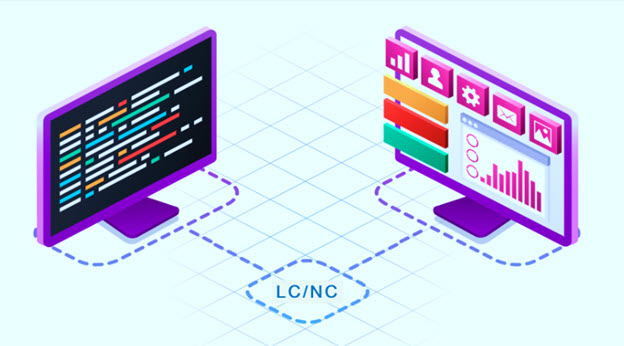
No-Code Platforms Create Hidden Risks |
"Here’s how to reduce your exposure: |
-
Inventory all no-code apps and integrations across business units.
- Audit third-party connectors regularly for vulnerabilities or excessive permissions.
- Apply centralized governance to approve only sanctioned APIs and services.
- Continuously monitor connector behavior and flag unexpected data flows.
- Implement automated security assessments to scan for misconfigurations.
|
No-code accelerates innovation, but it quietly expands your attack surface when unmanaged. |
|
|
|
Greg Parker is a cybersecurity and emerging tech writer who explores the intersection of digital risk, human behavior, and innovation across sensing and security technologies. |
|
|
Into more than just malware and mayhem? |
Stay sharp on AI, cloud, DevOps, and the tech players shaking things up. Subscribe to Daily Tech Insider for no-fluff rundowns and witty breakdowns delivered straight to your inbox — because knowing what’s next helps you stay secure. |
|
|
Into more than just malware and mayhem? |
Stay sharp on AI, cloud, DevOps, and the tech players shaking things up. Subscribe to Daily Tech Insider for no-fluff rundowns and witty breakdowns delivered straight to your inbox — because knowing what’s next helps you stay secure. |
|
|
Cybersecurity Insider is a TechnologyAdvice business |
© 2025 TechnologyAdvice, LLC. All rights reserved. |
TechnologyAdvice, 3343 Perimeter Hill Dr., Suite 100, Nashville, TN 37211, USA. |
|
|
|