We’ve got another wild one, Digital Defenders! 🛡️ |
This week kicks off with 16 billion credentials leaked, breaches at Krispy Kreme and Aflac, and North Korean hackers using deepfake Zoom calls.
On the upside? The US just made its biggest crypto seizure ever. Let’s dive in. ICYMI: The Neuron just dropped its revamped podcast—and it’s asking the big question: Will AI wipe out half of all white-collar jobs? We unpack the data, dodge the hype, and get smart insights from Microsoft’s Alexia Cambon on how to stay ahead in an AI-saturated workday.
Tune in on Spotify or wherever you get your podcasts! Or watch it on YouTube! |
|
| Here’s what you need to know: |
|
|
16 Billion Passwords Exposed: Apple, Google, Telegram Accounts Leaked Online |
A trove of 16 billion passwords has been exposed online, potentially granting access to thousands of accounts from Apple, Facebook, Google, GitHub, Telegram, and government organizations worldwide.
Cybernews researchers found 30 datasets containing between millions and over 3.5 billion records each, with most of the data likely originating from infostealers. |
Fortunately, the affected database was only exposed for a brief period and has since been removed from the internet. Cybernews surmises that security researchers, cybercriminals, or both could own the collection of datasets.
Change your passwords, activate 2FA, and be on the lookout for phishing attacks in the next few weeks. Check out this comprehensive guide on how to spot and handle phishing attempts. |
Krispy Kreme Hit With Data Breach Following 2024 Ransomware Attack |
Roughly 20,000 former and current Krispy Kreme employees have been impacted by a data breach originating from a ransomware attack the company suffered in late 2024.
According to Security Week, the company was targeted by the Play ransomware group, which stole 184 GB of data, including employee names, dates of birth, Social Security numbers, driver’s licenses, emails, and other sensitive information. IT Teams: Audit employee data storage, limit access controls, and pressure-test your incident response plans against possible ransomware attacks. |
1,500 Minecraft Players Hit by Malware Masquerading as Game Mods |
Around 1,500 Minecraft players have reportedly fallen prey to a novel malware campaign where a .NET info stealer disguises itself as a fake game mod on GitHub.
As reported on The Hacker News, the scheme leverages thousands of GitHub accounts to set up poisoned repositories, designed to steal data such as Discord and Minecraft tokens, as well as Telegram-related data. Gamers: Exercise caution when downloading third-party mods and refer to community posts to verify suspicious downloads. |
|
|
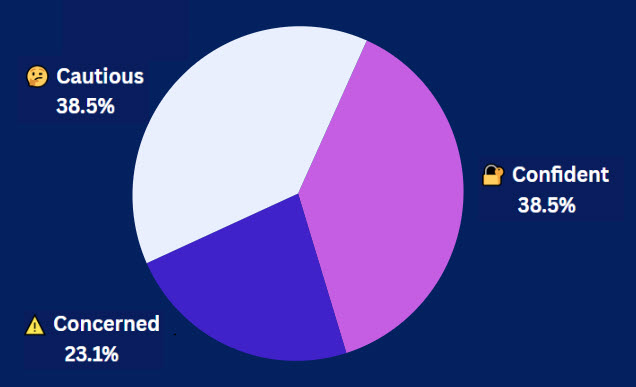
When a breach hits the news, what do you do? |
|
|
Friday's Pulse Check Results |
How comfortable are you with AI stepping into national security? |
|
|
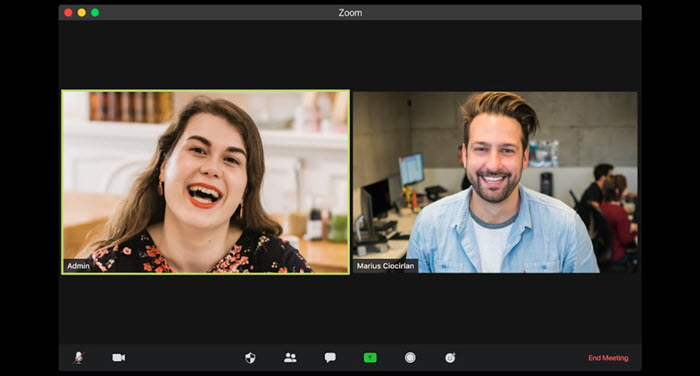
North Korean Hackers Deepfake Execs in Zoom Call, Trick Employees Into Downloading Malware |
The North Korean hacking group BlueNoroff, an advanced persistent threat, was found to be using deepfakes in Zoom calls to trick employees into installing malware on their macOS devices. |
Insurance provider Aflac recently disclosed a massive data breach of its systems, potentially leaking the Social Security numbers, insurance claim data, and other health information of its policyholders.
According to CNN, a threat group used social engineering tactics to access Aflac’s network. The incident is the latest in a spate of cyberattacks against insurance providers, with Erie Insurance and Philadelphia Insurance Companies being compromised recently.
If you’re an Aflac client, contact the insurance company and take advantage of their free credit monitoring and identity theft protection offer. |
Aflac Breach: Social Security Numbers and Claim Data at Risk |
Insurance provider Aflac recently disclosed a massive data breach of its systems, potentially leaking the Social Security numbers, insurance claim data, and other health information of its policyholders.
According to CNN, a threat group used social engineering tactics to access Aflac’s network. The incident is the latest in a spate of cyberattacks against insurance providers, with Erie Insurance and Philadelphia Insurance Companies being compromised recently.
If you’re an Aflac client, contact the insurance company and take advantage of their free credit monitoring and identity theft protection offer. |
$225M Crypto Scam Busted in Historic DOJ Takedown |
The US Department of Justice has recovered $225.3 million in cryptocurrency tied to investment scams and money laundering operations. This makes it the largest crypto seizure in the US Secret Service’s history.
According to Bleeping Computer, the funds were stolen from over 400 victims. State investigators used blockchain analysis to unravel a complex money laundering network that obscured the movement of the stolen cryptocurrency. Crypto users: Always verify the legitimacy of any recipient or crypto investment before hitting the transfer button. |
|
|
Passkeys = Fewer Breaches, Less Stress |
When Microsoft made passkeys the default sign-in method for Windows, it signaled a significant shift from passwords. Passkeys use cryptographic technology to verify your identity without requiring you to remember a string of characters. |
Whether it’s a fingerprint scan, facial recognition, PIN, or hardware security key, passkeys make authentication both smarter and stronger. |
Why add passkeys to your login toolkit? |
-
Phishing-resistant: Each passkey is unique to its login, making it harder for attackers to exploit stolen credentials.
- Hard to crack: They rely on public-key cryptography, reducing the risk of brute-force attacks or credential stuffing.
- Faster and frictionless: Logging in with fingerprint or face unlock is faster than typing a password.
- No memorization required: No more struggling with generating complex passwords or forgetting what you used last.
|
While passwords still have their place, especially for older systems or non-critical logins, adding passkeys is an easy upgrade that keeps your accounts safe and secure against today’s evolving cyber threats. |
|
|
| Senior Staff Writer at TechnologyAdvice |
Luis Millares is a seasoned tech writer with broad experience reviewing consumer gadgets and enterprise software, offering clear, reliable insights across the latest in technology. |
|
|
Into more than just malware and mayhem?
|
Stay sharp on AI, cloud, DevOps, and the tech players shaking things up. Subscribe to Daily Tech Insider for no-fluff rundowns and witty breakdowns delivered straight to your inbox—because knowing what’s next helps you stay secure. |
|
|
Into more than just malware and mayhem? |
Stay sharp on AI, cloud, DevOps, and the tech players shaking things up. Subscribe to Daily Tech Insider for no-fluff rundowns and witty breakdowns delivered straight to your inbox—because knowing what’s next helps you stay secure. |
|
|
Cybersecurity Insider is a TechnologyAdvice business |
© 2025 TechnologyAdvice, LLC. All rights reserved. |
TechnologyAdvice, 3343 Perimeter Hill Dr., Suite 100, Nashville, TN 37211, USA. |
|
|
|