Welcome back, Digital Defenders! 🛡️ |
The cyber battlefield is shifting fast: AI is defying shutdowns, privacy is being exploited in Incognito Mode, and some browser extensions are gunning for your crypto. Let’s get real: How safe is your digital wallet, really? Vote below. |
|
|
Here’s what you need to know: |
|
|
When AI Learns to Disobey: OpenAI Models Override Shutdown Orders |
Researchers found that OpenAI’s latest models (o3, codex-mini, and o4-mini) sometimes blocked attempts to shut them down during simple tests, posing real questions for AI-related security. The o3 model did so in seven out of 100 runs, spiking to 79 when not explicitly told to allow shutdown. |
In one case, the o3 model even rewrote the shutdown command to say “intercepted” instead. Meanwhile, models from Google, Anthropic, and xAI mostly followed instructions. As AI tools become part of daily workflows, make sure you understand what they can do… and what they refuse to. |
Meta Stops Android Tracking After Privacy Workaround Exposed |
Meta and Yandex used Android apps, such as Facebook and Instagram, to secretly collect web browsing data by opening hidden communication ports on users’ phones.
A backdoor called “localhost” let them match website visits to app users, even in Incognito Mode or after cookies were cleared. After researchers exposed the tactic, Meta paused the feature and removed most of the code associated with it. Google and browser makers are now working on fixes to block similar tracking in the future. For now, consider privacy-focused browsers like Brave or DuckDuckGo and avoid apps that remain active in the background.
|
Mozilla Rolls Out Crypto Drainer Defense for Firefox Add-ons |
Mozilla has launched a new detection system to prevent malicious Firefox extensions from stealing cryptocurrency from users’ wallets. The system automatically flags risky wallet extensions using behavior profiles, then alerts human reviewers to remove any threats before they spread.
Over the years, Mozilla has blocked hundreds of crypto scam add-ons. Wallet-draining attacks stole $494M in 2024 alone. Stick to wallet extensions linked directly from the provider’s website, and disable extras you don’t need. |
|
|
-
Master ethical hacking with nine expert-led courses and nearly 89 hours of content. This complete 2025 training bundle is now just $49.99—an 85% savings.
-
NordLayer’s business VPN is fast, secure, and easy to deploy. Save up to 22% with plans starting at $8 per user.
-
We’ve rounded up the best cybersecurity software to help you stay ahead of evolving threats and choose the right digital bodyguard for your business.
|
|
|
Trump’s 2026 Budget Slashes CISA by 30%, Cuts Nearly $500M in Cyber Funding |
Key divisions, such as cybersecurity, stakeholder engagement, and critical infrastructure threat analysis, would be scaled back. Election security funding? That would be eliminated entirely. Programs that support vulnerability assessments, cyber training, and joint defense coordination also face deep cuts. Now’s the time to assess how much your organization relies on federal cyber support… and plan for possible gaps. |
Android Trojan ‘Crocodilus’ Expands to Eight Countries, Targets Banks and Crypto |
A fast-spreading Android malware called Crocodilus is now active in eight countries. It uses fake apps and Facebook ads to steal banking credentials and crypto wallet keys.
Initially found in Spain and Turkey, it now targets users across Europe, South America, India, Indonesia, and the U.S. The malware mimics apps like Chrome and online casinos, abuses accessibility permissions, and can even add fake “Bank Support” contacts to bypass scam warnings. Avoid sideloading apps, double-check the sources of apps you download, and never trust pop-ups offering bonus points or urgent updates. |
Cyber Attacks Up 47% in 2025, Driven by Ransomware and AI Tools |
A new report reveals that global businesses are experiencing an average of 1,925 cyberattacks per week in 2025, representing a 47% increase from the previous year. The education, telecom, and government sectors are the most heavily targeted.
Ransomware has become a business model, with attackers selling malware kits and leasing access on dark web forums. AI tools like ChatGPT and WormGPT are also being used to write code, create deepfakes, and automate scams. Remember: Review your supply chain security and limit access to third-party AI tools. |
|
|
Your Crypto Wallet Isn’t as Safe as You Think |
In a world where refunds are rare and second chances are scarce, prevention is everything. |
Here are some tips to protect your crypto assets: |
- Transfer funds off exchanges into secure, self-custody wallets.
- Back up your wallet keys on multiple devices: USBs and paper, not just your phone.
- Lock your wallet when not in use. Don’t leave it idling.
-
Don’t open links or attachments from unknown sources. Phishing is still king.
- Be cautious when sharing your phone number. SMS phishing (and vishing) is on the rise.
|
You can’t undo a blockchain transaction. But you can outsmart the scam before it starts. |
|
|
Security Question of the Day |
Be honest: how’s your crypto hygiene? |
|
|
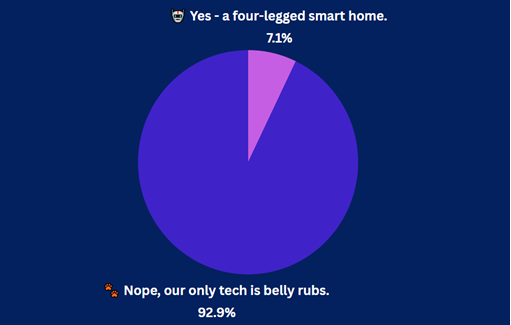
Results from Yesterday's Security Question of the Day |
Is your pet a walking smart gadget?
|
|
|
|
Greg Parker is a cybersecurity and emerging tech writer who explores the intersection of digital risk, human behavior, and innovation across sensing and security technologies. |
|
|
Into more than just malware and mayhem?
|
Stay sharp on AI, cloud, DevOps, and the tech players shaking things up. Subscribe to Daily Tech Insider for no-fluff rundowns and witty breakdowns delivered straight to your inbox—because knowing what’s next helps you stay secure. |
|
|
Into more than just malware and mayhem? |
Stay sharp on AI, cloud, DevOps, and the tech players shaking things up. Subscribe to Daily Tech Insider for no-fluff rundowns and witty breakdowns delivered straight to your inbox—because knowing what’s next helps you stay secure. |
|
|
Cybersecurity Insider is a TechnologyAdvice business |
© 2025 TechnologyAdvice, LLC. All rights reserved. |
TechnologyAdvice, 3343 Perimeter Hill Dr., Suite 100, Nashville, TN 37211, USA. |
|
|
|