Greetings, Digital Defenders! 🛡️ |
Today’s threats are all about the fake-out: AI tools, IT calls, Chrome extensions, even humanitarian aid. If it looks legit, think twice. We’re pulling back the mask on the latest cyber cons. Quick poll: How prepared are you if your laptop goes missing today? Scroll down to weigh in. |
|
|
Here’s what you need to know: |
-
Microsoft crushes Lumma, cybercrime’s favorite malware
- 100+ malicious Chrome extensions impersonate trusted tools
- TeleMessage hack exposes White House comms
- 3AM ransomware uses email floods, fake IT calls
- CISA, NSA warn of Russian hacks on Western aid
|
|
|
Microsoft Takes Down Lumma Stealer, the Web’s Most Prolific Info-Theft Tool
|
Microsoft’s Digital Crimes Unit, in partnership with global law enforcement, has dismantled Lumma Stealer—the malware of choice for hundreds of cybercriminals. |
Source: blogs.microsoft.com. |
In a cyber one-two punch, Microsoft seized 2,300 malicious domains while the Department of Justice and global partners took down Lumma’s command systems and Black Market channels. The operation cuts malware-victim communication and reroutes domains to Microsoft sinkholes, disrupting cybercrime profits and protecting users. |
Fake Kling AI Ads on Facebook Lure Victims to Malware-Infested Sites |
Attackers are using fake Facebook ads and pages to impersonate Kling AI and lure users to spoofed sites like klingaimedia[.]com. There, victims are tricked into downloading a remote access trojan (RAT) disguised as an AI tool, upon which the malware gives attackers full device control.
Users should avoid downloading files from unfamiliar sites and verify official platforms through trusted sources before interacting with AI tools. |
Malicious Chrome Extensions Pose as Fortinet, YouTube, and VPN Tools |
A malicious Chrome Web Store campaign is distributing over 100 fake browser extensions masquerading as trusted tools like Fortinet, YouTube utilities, VPNs, AI assistants, and crypto apps.
While offering limited legitimate functionality, the extensions secretly steal browser cookies, execute remote scripts, and hijack traffic to inject ads or redirect users. To stay safe, users should stick to trusted extensions, review add-ons regularly, and employ reliable security tools. |
|
|
🛡️ This section contains sponsored cybersecurity insights. |
|
|
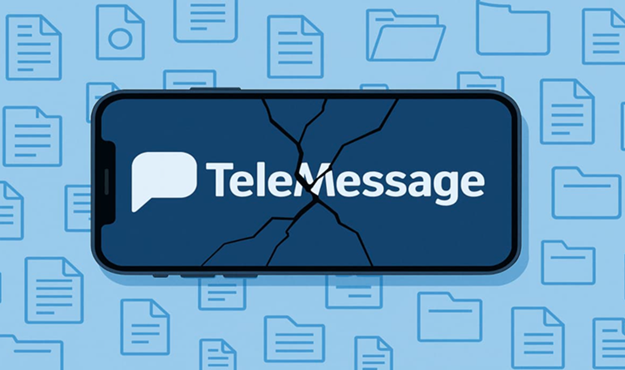
TeleMessage Hack Exposes Communications of Over 60 US Government Officials |
According to leaked data reviewed by Reuters, a hacker who breached TeleMessage—the secure messaging service used by former Trump national security adviser Mike Waltz—intercepted communications from over 60 US government officials. |
The exposed messages included exchanges from disaster response teams, customs agents, diplomats, Secret Service members, and even a White House staffer. The incident raises serious concerns about data security within U.S. government communications. |
3AM Ransomware Gang Uses Email Bombing and Fake IT Calls to Breach Corporate Networks |
A 3AM ransomware affiliate is mimicking Black Basta tactics by flooding employees with emails and following up with spoofed IT support calls to gain remote access.
In one case reported by Sophos, an attacker breached a company in early 2025 by using a fake help desk call and Microsoft Quick Assist. Organizations are urged to train staff to verify IT requests and restrict remote access tools. |
CISA, NSA Warn of Russian Hackers Targeting Western Aid and Logistics Firms |
CISA, NSA, FBI, and international partners have issued a joint advisory warning that Russian military hackers—APT28, also known as Fancy Bear—are targeting Western logistics and tech firms supporting aid to Ukraine.
Active since 2022, the campaign has targeted dozens of entities across 13 countries, including defense contractors, ports, airports, and IT providers. The attackers are using known tactics, and similar activity is expected to continue. Even if you're not in defense, your company may rely on or partner with firms that are. These attacks exploit everyday tools and common IT relationships, putting many businesses in the blast radius. |
|
|
Read this ebook to learn why native tools fall short when protecting your SaaS application data and what a resilient SaaS data protection strategy looks like |
|
|
Laptop Stolen? Don’t Panic—Do This First |
Conferences are great for networking… and for laptop thieves. Gartner says a laptop gets stolen every 53 seconds. |
And the real hit to your wallet? Closer to $50K once all the fallout’s counted. You must act quickly to minimize your losses. |
Here are some quick tips for damage control: |
-
Change passwords immediately—prioritize email, banking, and SSO accounts.
- Clear saved logins and autofill in all browsers.
- De-authorize your laptop from accounts like Apple ID, Google, and Amazon.
- Use tracking features like Apple’s “Find My” or Windows' “Find My Device.”
- Notify your bank and freeze cards if needed.
- Report work-related loss to your employer
- File a police report and notify the manufacturer for added protection.
|
Remember: whether your laptop was lost at the coffee shop or snatched on the move, acting fast turns a hassle into an averted disaster. |
|
|
Security Question of the Day |
How prepared are you if your laptop goes missing today? |
|
|
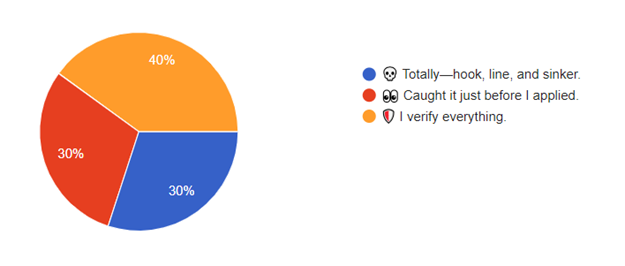
Results from Yesterday's Security Question of the Day |
Have you ever run into a fake job post?
|
Share your thoughts in our weekly poll—new every Monday! |
|
|
| Leon Yen is a cybersecurity expert and seasoned tech journalist with over a decade of experience, including founding a cyber risk startup and leading industry-focused research and reporting. |
|
|
|
Liz Ticong is a tech writer specializing in AI and software tools, known for turning complex topics into clear, actionable insights through hands-on testing and analysis. |
|
|
Into more than just malware and mayhem? |
Stay sharp on AI, cloud, DevOps, and the tech players shaking things up. Subscribe to Daily Tech Insider for no-fluff rundowns and witty breakdowns delivered straight to your inbox—because knowing what’s next helps you stay secure. |
|
|
Into more than just malware and mayhem? |
Stay sharp on AI, cloud, DevOps, and the tech players shaking things up. Subscribe to Daily Tech Insider for no-fluff rundowns and witty breakdowns delivered straight to your inbox—because knowing what’s next helps you stay secure. |
|
|
Cybersecurity Insider is a TechnologyAdvice business |
© 2025 TechnologyAdvice, LLC. All rights reserved. |
TechnologyAdvice, 3343 Perimeter Hill Dr., Suite 100, Nashville, TN 37211, USA. |
|
|
|