Welcome, Digital Defenders! 🛡️ |
Today’s news is packed with critical alerts: Firefox flaws are being exploited, and fake KeePass installers are making the rounds through Bing ads. Also, a quick reminder—once your data hits the Dark Web, it’s there to stay. Also, scroll down and let us know: How often do you check if your data is on the Dark Web? |
|
|
Here’s what you need to know: |
-
Mozilla fixes two zero-days in Firefox JavaScript Engine
- RVTools hijacked to distribute malware via VMware Installer
- KeePass users targeted by malicious Bing ads
- O2 UK patched long-standing VoLTE bug that let hackers track users
- Harbin Clinic alerts 210,000 patients after major data breach
|
|
|
Firefox Under Fire: Mozilla Patches Two Zero-Days Exploited at Pwn2Own |
Image Source: mozilla.org. |
If you’re using Firefox, don’t wait. Update your browser now to block these high-risk threats before attackers take them mainstream. |
RVTools Website Hacked to Distribute Compromised VMware Utility Installer |
The official website for RVTools, a widely used VMware reporting utility, has been compromised to distribute a malicious installer. According to security researcher Aidan Leon, the tampered installer was used to sideload a known malware loader called Bumblebee.
Site publisher Robware has taken both RVTools.com and Robware.net offline and warned users to avoid downloading the software from any unofficial sources while they work to restore service. |
Trojanized KeePass Installers Spread via Bing Ads to Deploy Cobalt Strike, Ransomware |
Threat actors have spent at least eight months distributing malicious KeePass installers via Bing ads, leading to fake software sites. Dubbed "KeeLoader," the trojanized version retains KeePass functionality but installs a Cobalt Strike beacon and steals the password database in cleartext.
Users should only download software from official sources and verify installers to avoid such threats. |
|
|
🛡️ This section contains sponsored cybersecurity insights. |
|
|
O2 UK Fixes 8-Year Bug That Exposed User Locations |
Image Source: chroniclelive.co.uk |
The bug, discovered by security researcher Daniel Williams, remained active on the network from March 2017 until its recent fix. O2 UK, owned by Virgin Media O2, currently serves over 23 million mobile users. While the issue has been patched, it’s a good reminder to review which apps and services have access to your call and location data. |
UK Legal Aid Agency Confirms Major Data Breach Exposing Sensitive Applicant Information |
The UK's Legal Aid Agency (LAA) has confirmed that a recent cyberattack resulted in the theft of a significant amount of sensitive applicant data, making the breach more severe than initially reported. The confirmation, backed by the U.K. government, follows an in-depth investigation into the incident.
As the agency responsible for providing legal aid to those unable to afford it, the LAA's breach raises serious concerns about the protection of vulnerable individuals' personal information. |
Harbin Clinic Alerts 210,000 Patients of Data Breach Linked to Nationwide Recovery Services Hack |
Harbin Clinic is alerting over 210,000 patients that their personal and medical data were exposed in a July 2024 breach at Nationwide Recovery Services (NRS), a third-party debt collector.
The breach also affected other healthcare providers, bringing the total number of impacted individuals to over 300,000. The stolen data includes Social Security numbers, financial details, and health information. While no identity theft has been reported so far, Harbin Clinic is offering free identity monitoring to affected patients. If you’ve ever received care through Harbin or worked with providers tied to NRS, it’s worth checking if your data was involved. |
|
|
Your Data’s on the Dark Web. Now What? |
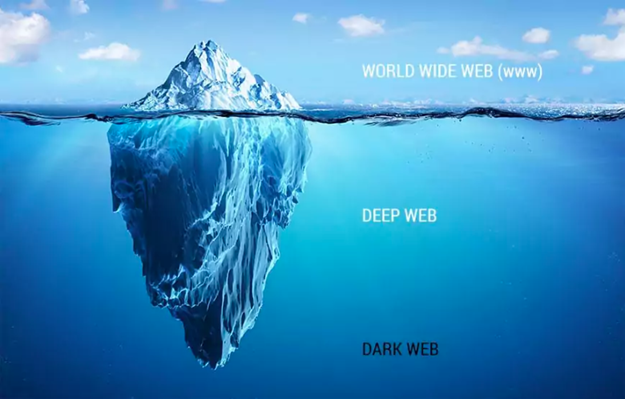
Once your info hits the Dark Web, it’s game over for deleting it. This underground network—only accessible through tools like Tor—is crawling with hackers, black markets, and endless copies of your stolen data bouncing from one shady corner to the next. |
Image Source: socradar.io. |
You can’t erase your information from the Dark Web, but you can take smart steps to contain the damage. |
- Use tools like HaveIBeenPwned to scan for exposed data.
- Set up Dark Web alerts and monitor credit reports.
|
- Freeze your credit with all three bureaus.
- Change leaked or reused passwords.
- Enable 2FA using an authenticator app.
- Scan devices with trusted antivirus software.
|
-
Use guest checkout and share minimal data online.
- Remove info from data broker sites.
- Lock down social media privacy settings.
- Be cautious of suspicious emails, calls, or texts.
|
|
|
Security Question of the Day |
Which operating system do you view as more secure? |
|
|
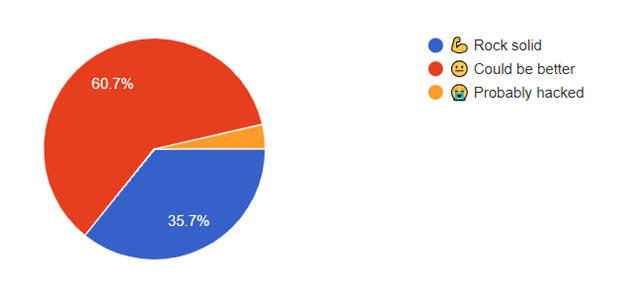
Results from Yesterday's Security Question of the Day |
How confident are you in your home network’s security? |
|
|
| Leon Yen is a cybersecurity expert and seasoned tech journalist with over a decade of experience, including founding a cyber risk startup and leading industry-focused research and reporting. |
|
|
|
Liz Ticong is a tech writer specializing in AI and software tools, known for turning complex topics into clear, actionable insights through hands-on testing and analysis. |
|
|
Cybersecurity Insider is a TechnologyAdvice business |
© 2025 TechnologyAdvice, LLC. All rights reserved. |
TechnologyAdvice, 3343 Perimeter Hill Dr., Suite 100, Nashville, TN 37211, USA. |
|
|
|