Greetings, Digital Defenders! 🛡️ |
Today’s targets? Your calendar, creative suite, Linux box, and Meta account. The internet’s looking shady…again. Also, don’t forget to check out our new daily poll at the end of this newsletter.
|
|
|
Here’s what you need to know: |
-
Hackers use Google Calendar and invisible Unicode to spread malware
- Adobe urges immediate updates for Photoshop and Illustrator users
- Microsoft Defender bug on Linux gives local attackers SYSTEM access
- 14,000+ fake links used in phishing campaign against Meta Business users
|
|
|
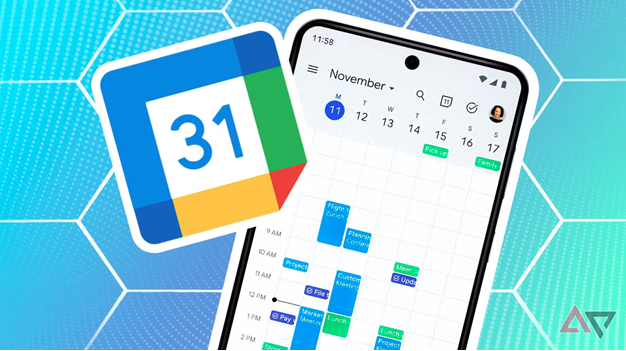
Hackers Exploit Google Calendar to Infect Users With Malware |
Cybercriminals are abusing Google Calendar invites to deliver malware, using a stealthy method that hides malicious code within a single Unicode character. |
Source: androidpolice.com. |
Researchers discovered that a harmless-looking pipe symbol (“|”) hid encoded commands using invisible Unicode characters, which fetched payloads via Google Calendar URLs. Google recommends enabling the “known senders” setting in Calendar to help block this phishing threat. |
Adobe Issues Critical Security Fixes for Photoshop and Illustrator |
Adobe has released urgent security updates for Photoshop and Illustrator on both Windows and macOS platforms to fix multiple critical vulnerabilities that could allow attackers to execute arbitrary code on affected systems.
The bug in Photoshop (2025 v26.5 and 2024 v25.12.2 and earlier) could allow complete system compromise, while Illustrator has a severe buffer overflow bug that could lead to arbitrary code execution. Adobe strongly advises all users to apply the patches immediately to mitigate these critical flaws. |
Microsoft Defender Flaw Allows Local Attackers Full System Control |
A critical vulnerability in Microsoft Defender for Endpoint could let attackers with local access escalate privileges to SYSTEM level—essentially granting them complete control over a compromised machine. The flaw affects Microsoft Defender for Endpoint on Linux versions before 101.25XXX.
Organizations using this version of Microsoft Defender should update immediately to stay protected. |
|
|
-
Secure your connection with NordLayer Business VPN. Sign up today and get 22% off an annual plan.
-
Looking to break into cybersecurity? This TechRepublic career guide outlines the essential certifications, skills, and first steps to launch your journey into one of tech’s most in-demand fields.
|
🛡️ This section contains sponsored cybersecurity insights. |
|
|
Meta Business Suite Users Targeted in ‘Meta Mirage’ Phishing Campaign |
A new phishing campaign is targeting users of Meta’s Business Suite, aiming to hijack high-value accounts by mimicking official Meta messages. So far, the “Meta Mirage” campaign has deployed over 14,000 malicious URLs—most of which browsers have yet to block. |
Source: digitalguider.com. |
Attackers host convincing fake pages on trusted platforms like GitHub, Firebase, and Vercel to evade detection.
Meta Business users should be on the lookout for fake alerts about policy violations or account suspensions that attempt to press users into giving up passwords and security codes. |
Google: ‘Scattered Spider’ Ransomware Group Targeting US Retailers |
After recent attacks on the U.K. retail sector, Google warns that the “Scattered Spider” hacking group has begun targeting U.S. retailers with ransomware and extortion tactics. The group typically targets one industry at a time and is expected to continue focusing on American retailers.
Consumers should be cautious of suspicious emails and unexpected messages from retailers. They should also monitor their bank accounts and loyalty programs for unauthorized activity. |
Cyberattack Disrupts Operations at Leading US Steelmaker Nucor |
Nucor Corporation, the largest steel producer in the U.S., experienced a cybersecurity incident that shut down parts of its network and halted production at several facilities. The company is restarting the affected operations as it works with external cybersecurity experts to investigate the issue.
While the full impact is still being assessed, the disruption affects a key supplier of reinforcing bars in critical infrastructure nationwide. If you work in construction, transportation, or utilities, keep an eye out for potential procurement delays. |
|
|
The Cybersecurity event of the year is back! Zenith Live is the premier learning conference where experts converge to share the latest in zero trust networking and security to protect and enable organizations to thrive. |
|
|
Protect Yourself Against AI Deepfake Impersonators |
AI-powered impersonation scams are getting more convincing—and more dangerous. Cybercriminals are using deepfake voice and video tech to pose as job candidates, vendors, or even team members on trusted platforms like Zoom and Slack.
Sure, there are enterprise tools designed to detect this stuff. But if a synthetic scammer shows up in your next hiring interview, you probably won’t have a deepfake detector handy. |
Here’s how to spot a fake before it slips through: |
- Watch for weird blinking, face edges, or off expressions
- Drop a shared memory or ask them to turn their head
- Catch lip-sync fails or robotic tone
- Spot lighting or shadow glitches
- Look for jerky head or accessory movement
-
Ask for a surprise action or personal reference
- Check if the background visuals and sounds line up
|
Remember: with tech evolving so quickly, slip-ups are getting harder to catch. In high-stakes situations, don’t just trust your gut. Lock things down with verified platforms, multi-factor checks, and pro-grade authentication tools.
|
|
|
Security Question of the Day |
How worried are you about AI deepfakes? |
|
|
| Leon Yen is a cybersecurity expert and seasoned tech journalist with over a decade of experience, including founding a cyber risk startup and leading industry-focused research and reporting. |
|
|
|
Liz Ticong is a tech writer specializing in AI and software tools, known for turning complex topics into clear, actionable insights through hands-on testing and analysis. |
|
|
Cybersecurity Insider is a TechnologyAdvice business |
© 2025 TechnologyAdvice, LLC. All rights reserved. |
TechnologyAdvice, 3343 Perimeter Hill Dr., Suite 100, Nashville, TN 37211, USA. |
|
|
|