Hello, Digital Defenders! 🛡️ |
The cyber tide keeps rising—from fake CAPTCHAs to AI-powered scams—and the threats are growing bolder. Today, we’re uncovering the latest tactics behind malware infections, phishing campaigns, and data breaches targeting users across every platform. |
|
|
Here’s what you need to know: |
-
Macmillan’s iClicker platform hit by malware in sophisticated captcha scam
- MacOS cursor users hit by npm malware posing as developer tools
- Telegram-based malware steals user data from Chromium users
- Phishing attack on stock trading platform SogoTrade results in breach
|
|
| iClicker Compromised in Malware Attack Using Fake CAPTCHA |
The website iClicker, a widely used classroom engagement tool, was breached in a ClickFix attack that deployed a fake CAPTCHA to trick students and instructors into installing malware. |
iClicker apps and hardware. Source: iclicker.com. |
iClicker, a Macmillan subsidiary, serves over 7 million students and 5,000 instructors across major U.S. universities. Users should avoid downloading files or entering information after unexpected CAPTCHA prompts. Immediately report suspicious behavior to their IT departments. |
Malicious npm Packages Target macOS Users of Cursor Code Editor |
Researchers have found three npm packages posing as developer tools that infect macOS users of the Cursor code editor. The malware steals credentials, downloads a hidden payload, alters core files, and disables updates to stay active. Over 3,000 macOS Cursor users have already been compromised.
To avoid becoming a target, developers should verify the source and integrity of npm packages before installing them, especially those promising discounted services. |
Chromium-Based Browsers Targeted by .NET Malware Using Telegram for Stealthy Data Theft |
A recent analysis by CYFIRMA revealed that popular Chromium-based browsers—including Google Chrome, Microsoft Edge, Opera, Opera GX, and Vivaldi—are vulnerable to a .NET-based information-stealing malware known as “PupkinStealer.” The threat leverages Telegram’s Bot API for covert data exfiltration.
Users of Chromium-based browsers should avoid untrusted files and suspicious links to reduce the risk of PupkinStealer infections. |
|
|
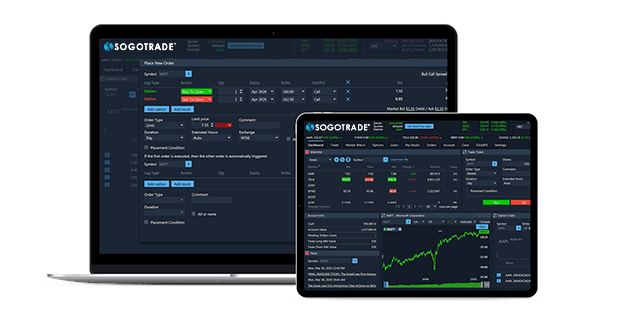
Phishing Attack on SogoTrade Compromises Data of Nearly 50,000 Users |
The online stock trading platform SogoTrade fell victim to a phishing attack after employees clicked a malicious link, which compromised four email accounts. Attackers distributed malware via email and potentially exfiltrated personal data belonging to nearly 50,000 users. |
Engineer’s Data Breach at DOGE, CISA Sparks National Security Alarms |
An engineer linked to the Cybersecurity and Infrastructure Security Agency (CISA) and the Department of Government Engineering (DOGE) has reportedly suffered multiple breaches, with leaked credentials potentially exposing critical systems.
The compromises have sparked growing concern about lax access controls within federal networks. DOGE, already under fire for questionable cybersecurity practices and operational missteps, is now facing heightened scrutiny.
This incident underscores a pressing need for federal agencies to enforce rigorous identity verification, implement zero-trust frameworks, and conduct continuous security audits to prevent insider threats and credential abuse. |
Fake AI Video Tools Spread New 'Noodlophile' Infostealer Malware via Facebook Ads |
Cybercriminals are using fake AI video tools promoted via Facebook ads to spread a new malware strain called “Noodlophile.” The campaign, uncovered by Morphisec, introduces a fresh infostealer to the growing list of AI-themed cyber threats.
Facebook users should be wary of ads disguised as advanced media generators. These tools trick users into uploading files that enable data theft. |
|
|
🛡️ This section contains sponsored cybersecurity insights. |
|
|
How to Spot AI-Generated Fakes Before You Buy Online |
Think you're a pro at spotting fake AI images by checking for extra limbs/fingers or odd backgrounds? You should think again.
AI-generated content is getting more convincing, leading to a rise in fake product listings and duped buyers. . |
Scams are surging on platforms like Amazon, Etsy, and Facebook Marketplace. They often use polished AI images and vague descriptions to mislead buyers. Fortunately, you don’t need high-tech tools to protect yourself—just awareness, critical thinking, and a few smart checks. |
Here are some tips for avoiding AI-generated product scams: |
-
Inspect images: Look for distortions or too-perfect details.
- Check angles: Real products usually have multiple photos.sely inspect it for any signs of poor craftsmanship, such as rough edges, loose parts, or unusual weight. A genuine USB drive or accessory will feel solid and well-made.
- Read the description: Look for fine print or disclaimers.
-
Research the seller: Check reviews, photos, and account history.
- Reverse image search: Spot reused or suspicious listings.
- Be price-aware: Deals that seem too good often are.
|
By learning to spot the red flags of AI fakery, you can protect your wallets and help reduce the spread of misleading content online. |
|
|
| Secure Links: The Must-Reads |
|
|
| Secure Links: The Must-Reads |
| |
AI-Powered Scams Surge, Sparking Cybersecurity Call to Arms |
For everyday users and businesses alike, this means traditional defenses may no longer be fast—or smart—enough. As AI-powered scams evolve, experts say organizations must adopt emerging tools like quantum AI to detect threats in real time, outmaneuver attackers, and prevent losses before they happen. |
Agentic AI Is Reshaping Cybersecurity with Smarter, Faster Defenses |
A new era of agentic AI is transforming cybersecurity—from passive monitoring to autonomous, real-time threat response. These AI agents don’t just detect anomalies—they take decisive action to contain and neutralize threats with unprecedented speed and precision.
In a recent blog post, NVIDIA Chief Security Officer David Reber Jr. detailed how agentic systems are closing the gap between detection and defense, ushering in faster, more adaptive protections. But with this power comes new risks: securing the AI itself has become a critical frontier, demanding updated protocols, oversight, and trust frameworks to prevent adversarial manipulation.
|
|
|
| Leon Yen is a cybersecurity expert and seasoned tech journalist with over a decade of experience, including founding a cyber risk startup and leading industry-focused research and reporting. |
|
|
|
Liz Ticong is a tech writer specializing in AI and software tools, known for turning complex topics into clear, actionable insights through hands-on testing and analysis. |
|
|
We're looking for talented writers to help shape Cybersecurity Insider. If you're passionate about cyber security, apply to join our team! |
|
|
Cybersecurity Insider is a TechnologyAdvice business |
© 2025 TechnologyAdvice, LLC. All rights reserved. |
TechnologyAdvice, 3343 Perimeter Hill Dr., Suite 100, Nashville, TN 37211, USA. |
|
|
|