Hello, Digital Defenders! 🛡️ |
Cybersecurity isn’t standing still—and neither are the threats. In today’s news, Microsoft is going passwordless, while AI-driven phishing threats are targeting Gmail and WordPress. Catch up on the latest moves, and don’t forget to check out the quick poll at the bottom of the newsletter. |
|
|
Here’s what you need to know: |
-
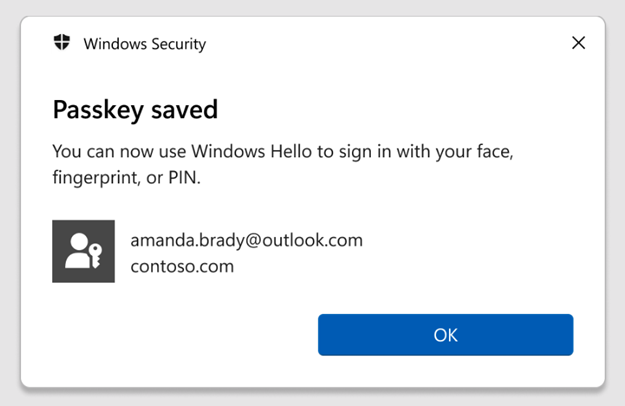
Microsoft Ditches Passwords, Defaults to Passkeys for New Users
- Attackers Exploit Gmail’s SMTP in Stealthy Supply Chain Threat
- NCSC Steps In After Cyber Incidents Hit Major UK Retailers
- Critical Bug in NVIDIA TensorRT-LLM Puts AI Systems at Risk
|
|
|
Microsoft Goes Passwordless—New Accounts Are Passkeyed by Default |
The move marks a significant step in Microsoft’s effort to retire the password. Sign-up and sign-in flows will be redesigned to favor secure, modern authentication methods like biometrics or device-based keys. |
Gmail’s SMTP Protocol Abused in New Software Supply Chain Attack |
Socket’s threat research team uncovered a stealthy supply chain attack that uses Google’s SMTP servers as a command-and-control channel, enabling remote command execution and data theft through malicious PyPI packages. By leveraging Gmail's trusted infrastructure, the attackers evaded detection from standard security tools, highlighting the risks of abusing legitimate cloud services.
|
NCSC Responds to Cyber Incidents Hitting UK Retailers |
The UK’s National Cyber Security Centre (NCSC) has confirmed it is working closely with organizations affected by recent cyber incidents targeting the retail sector, including prominent names like Marks & Spencer and the Co-op.
Although details are still limited, the statement highlights the importance of coordinated response efforts to minimize disruption and protect businesses and their customers. |
|
|
Critical NVIDIA TensorRT-LLM Vulnerability Exposes AI Systems to Code Execution Risks |
NVIDIA has patched a critical vulnerability (CVE-2025-23254) in TensorRT-LLM that affected versions before 0.18.2 on Windows, Linux, and macOS. The flaw stems from the insecure use of Python’s pickle module in the framework’s IPC system, allowing local attackers to execute malicious code and compromise AI workloads.
|
NVIDIA urges all users to update to version 0.18.2 or later, warning that disabling the vulnerable feature does not protect against the security flaw. |
Malware Masquerades as WordPress Security Plugin in Stealthy New Cyberattack |
Wordfence security experts have uncovered a sophisticated malware campaign targeting WordPress sites.
The malware disguises itself as a legitimate security plugin named "WP-antymalwary-bot.php." The malicious plugin is designed to maintain persistent access, avoid detection by hiding from the admin dashboard, and execute remote code. WordPress admins are advised to look for suspicious plugins, especially if they require elevated permissions. |
MintsLoader Malware Uses MS PowerShell Scripts and JavaScript to Execute Attacks
|
MintsLoader, a sophisticated malware loader active since 2024, uses obfuscated JavaScript and PowerShell scripts in a multi-stage infection chain to deploy payloads like GhostWeaver, StealC, and a modified BOINC client. It evades detection with sandbox and VM evasion, a domain generation algorithm, and HTTP-based C2 communication.
Users should stay vigilant against phishing emails and fake browser updates, especially in high-risk sectors like industrial, legal, and energy. |
|
|
🛡️ This section contains sponsored cybersecurity insights. |
|
|
How to Safely Get Rid of That Old Laptop |
Use specialized software to wipe your drive before physically destroying it. Source: bitraser.com. |
Modern drives like SSDs demand extra precautions. To ensure your data is truly wiped, use trusted tools like BCWipe, ShredOS, or BitRaser to securely overwrite the drive. Then, follow up with physical destruction using a drill, hammer, or professional shredder. This combo of digital and physical methods guarantees your data stays safe. |
Tips for secure hard drive disposal: |
- Use multiple-pass sanitization software to ensure data is thoroughly overwritten.
- Match the method to the drive type—SSD destruction may differ from HDD.
- Physically destroy the internal components, not just the outer casing.
- Disperse the destroyed parts in different locations to prevent reconstruction.
- Use certified e-waste services if you lack the tools for secure destruction.
|
By securely wiping and physically destroying the drive, you can significantly reduce the risk of unauthorized access. Always take the extra steps to ensure your data is fully protected before parting with your device. |
|
|
| Secure Links: The Must-Reads |
|
|
| Secure Links: The Must-Reads |
| |
Agentic AI: NVIDIA's Vision for the Future of Cybersecurity |
Discover how this groundbreaking technology could transform how organizations protect their digital assets. |
Full Disk Encryption: Your First Line of Defense Against Data Breaches |
Data breaches can occur in seconds, whether it's due to a cyberattack or a lost device. Without strong safeguards, sensitive data is exposed to theft and misuse. Find out how full disk encryption acts as a vital shield for your data, securing everything from hard drives to external storage against unauthorized access. |
|
|
Security Question of the Week |
Would you trust AI to write your company's security policies? |
|
|
| Leon Yen is a cybersecurity expert and seasoned tech journalist with over a decade of experience, including founding a cyber risk startup and leading industry-focused research and reporting. |
|
|
|
Liz Ticong is a tech writer specializing in AI and software tools, known for turning complex topics into clear, actionable insights through hands-on testing and analysis. |
|
|
We're looking for talented writers to help shape Cybersecurity Insider. If you're passionate about cyber security, apply to join our team! |
|
|
Cybersecurity Insider is a TechnologyAdvice business |
© 2025 TechnologyAdvice, LLC. All rights reserved. |
TechnologyAdvice, 3343 Perimeter Hill Dr., Suite 100, Nashville, TN 37211, USA. |
|
|
|