Welcome, Digital Defenders! 🛡️ |
The cybersecurity landscape is buzzing with critical news and updates, from fraudsters impersonating FBI agents to dangerous flaws in AiCloud routers. The risks are constantly shifting. But one thing remains certain: you'll likely fall victim without the knowledge to protect yourself. |
|
|
Here’s what you need to know: |
-
Microsoft Entra MACE False Positives Cause Widespread Account Lockouts
- FBI Warns of Scam Involving Fraudsters Impersonating IC3 Agents
- ASUS Issues Urgent Warning About Critical AiCloud Router Vulnerability
- Hackers Exploit Google OAuth Bug for Verified Phishing Emails
|
|
|
Widespread Microsoft Entra Access Issues Traced to Recent Security Update |
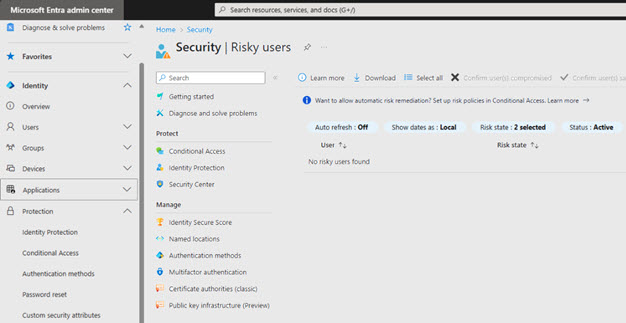
Windows administrators across multiple organizations are reporting widespread account lockouts caused by false positives from MACE, Microsoft Entra ID’s new “leaked credentials” detection tool. The issue resulted in many accounts being flagged and locked without evidence of compromise, despite having unique passwords and MFA enabled. |
Microsoft Entra. Source: derdecker.at. |
Admins suspect the alerts are erroneous, as services like Have I Been Pwned show no breaches linked to the affected credentials. |
Fraudsters Impersonate FBI IC3 Agents in New Fund Recovery Scam |
The FBI is warning the public about a growing scam in which fraudsters impersonate employees of the Internet Crime Complaint Center (IC3), pretending to help victims recover money lost in previous scams.
These scammers contact victims through email, phone calls, or social media—often using fake profiles—and direct them to imposters posing as officials who claim to have recovered their funds or offer recovery assistance. The FBI advises against sharing personal or financial information with unknown individuals or sending them money. |
Hackers Exploit Google OAuth Flaw to Send DKIM-Verified Phishing Emails |
In a slick phishing campaign, attackers exploited a flaw in Google’s OAuth system to send fake emails that passed DKIM verification—making them look 100% legit. One such message, spoofed as coming from "no-reply @google.com," duped users into visiting a bogus support page to harvest Google logins.
To stay safe, always double-check sender details and URLs—even if the message looks official—and never enter credentials on pages you didn’t navigate to yourself. |
|
|
ASUS Warns of Critical Flaw in AiCloud Routers, Urges Immediate Firmware Update |
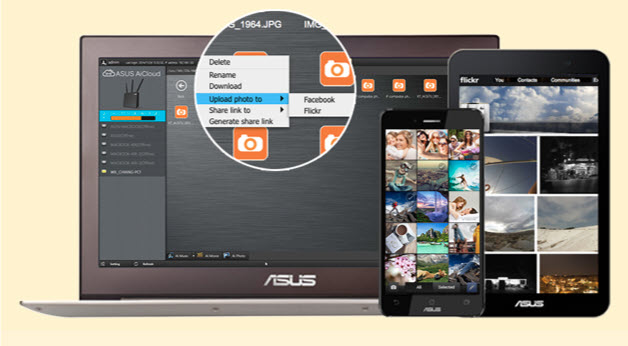
ASUS has disclosed a critical vulnerability (CVE-2025-2492) in AiCloud-enabled routers, allowing remote attackers to execute unauthorized functions. The flaw, with a CVSS score of 9.2, stems from improper authentication controls in specific ASUS router firmware. Firmware updates have been released to fix the issue, and users are urged to upgrade.
|
Asus AiCloud. Source: asus.com. |
If patching isn't possible, strengthening passwords or disabling internet-accessible services like AiCloud and remote access features is recommended for protection. |
Cisco Webex Flaw Enables Code Execution Through Malicious Meeting URLs |
Cisco has issued security updates for a high-severity vulnerability in Webex (CVE-2025-20236) that allows unauthenticated attackers to execute remote code on client systems via malicious meeting invite links. The flaw, found in the Webex custom URL parser, enables attackers to trick users into downloading arbitrary files, allowing them to run commands on unpatched systems.
This vulnerability affects all Webex App installations, regardless of the operating system, and there are no workarounds. Users must install the updates to protect against this exploit. |
|
|
🛡️ This section contains sponsored cybersecurity insights. | |
|
Don’t Turn Your Mobile Hotspot Into a Hacker Target |
While hotspots may not be inherently secure, multiple ways exist to mitigate these risks and make your connection safer. |
Security Tips for Mobile Hotspots: |
-
Protect your hotspot with a strong, unique password and use WPA2 or WPA3 encryption.
- Set up a VPN on your hotspot and tethered devices for added security.
- Avoid using default network names (SSIDs) to prevent attackers from easily accessing your hotspot.
- Regularly update your passwords to ensure ongoing security.
|
Ultimately, a mobile hotspot using your phone’s data connection is much more secure than public Wi-Fi. And while mobile hotspots aren’t entirely risk-free, they can offer a safe and reliable way to stay connected—if you take the necessary precautions. |
|
|
| Secure Links: The Must-Reads |
|
|
| Secure Links: The Must-Reads |
|
|
Top Conferences & Events to Watch for in 2025 |
Stay up-to-date with the latest security and tech trends by attending conferences and expos in 2025. From in-person events to hybrid and virtual formats, these gatherings provide valuable insights for security and IT professionals. While some locations and registration details are still pending, this list will be regularly updated to keep you informed.
|
Simplifying Access with Single Sign-On (SSO) |
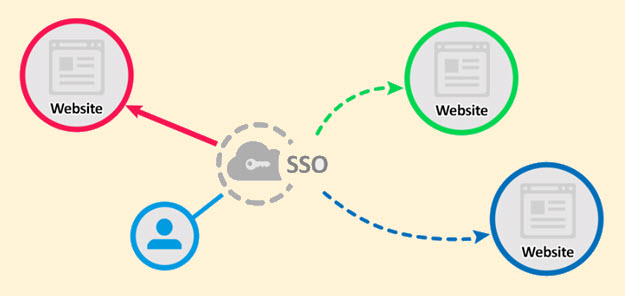
Single sign-on (SSO) is an authentication method that allows users to access multiple websites, applications, and services with a single set of credentials. The goal is to simplify the authentication process by eliminating the need for different usernames and passwords for each resource. |
|
|
| Leon Yen is a cybersecurity expert and seasoned tech journalist with over a decade of experience, including founding a cyber risk startup and leading industry-focused research and reporting. |
|
|
|
Liz Ticong is a tech writer specializing in AI and software tools, known for turning complex topics into clear, actionable insights through hands-on testing and analysis. |
|
|
We're looking for talented writers to help shape Cybersecurity Insider. If you're passionate about cyber security, apply to join our team! |
|
|
Cybersecurity Insider is a TechnologyAdvice business |
© 2025 TechnologyAdvice, LLC. All rights reserved. |
TechnologyAdvice, 3343 Perimeter Hill Dr., Suite 100, Nashville, TN 37211, USA. |
|
|
|