Welcome, Digital Defenders! 🛡️ |
Cyber threats don’t wait for the perfect moment—they strike when you least expect it. In this update, we’re unpacking the latest phishing trends, data breaches, and practical strategies to strengthen your digital defenses. Awareness is your first line of defense, so dive in and stay informed. |
|
|
Here’s what you need to know: |
- CISA Steps In to Ensure Continuity of CVE Program
- Landmark Breach Impact Expands to 16M Affected as Fallout Spreads
- Severe Bug in Apache Blogging Platform Opens Door to Persistent Attacks
- Hackers Use AI-powered Presentation Software Gamma to Deliver Malware
|
| |
Here’s what you need to know: |
- CISA Steps In to Ensure Continuity of CVE Program
- Landmark Breach Impact Expands to 16M Affected as Fallout Spreads
- Severe Bug in Apache Blogging Platform Opens Door to Persistent Attacks
- Hackers Use AI-powered Presentation Software Gamma to Deliver Malware
|
|
|
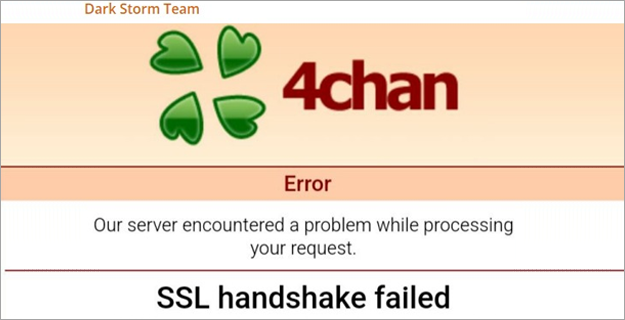
4chan Taken Offline After Major Cyberattack |
The notorious message board 4chan was taken offline following a significant security breach that exploited an internal configuration flaw. The attack raises questions about the site's resilience and moderation policies amid growing scrutiny. |
Source: x.com/FalconFeedsio. |
If you visit 4Chan regularly, here's some advice: don't. |
CISA Extends Funding to Prevent Disruption of Critical CVE Services |
The U.S. Cybersecurity and Infrastructure Security Agency (CISA) announced the extension of funding for MITRE's Common Vulnerabilities and Exposures (CVE) program, ensuring uninterrupted operation. This decision averts potential disruptions in national vulnerability databases and critical infrastructure security, following concerns raised by MITRE about the expiration of government funding.
CISA emphasized the CVE program's vital role in the cybersecurity community and reaffirmed its commitment to maintaining this essential service. |
Landmark Data Breach Hits 16M and Counting |
The fallout from the Landmark IT admin breach has now affected over 16 million individuals, exposing sensitive employment and financial data across multiple organizations. This breach highlights the cascading impact of a single compromised administrative account.
If you have insurance with a major nationwide provider like Liberty Bankers Life or American Benefit Life, consider freezing your credit and enabling fraud alerts. | |
|
Max-Severity Bug in Apache Roller Grants Persistent Access |
A critical vulnerability in Apache Roller, a popular blogging platform, allows attackers to maintain persistent access even after credentials are changed, and can result in a complete system compromise if exploited. Apache recommends upgrading to the latest version and reviewing server logs for indicators of compromise. |
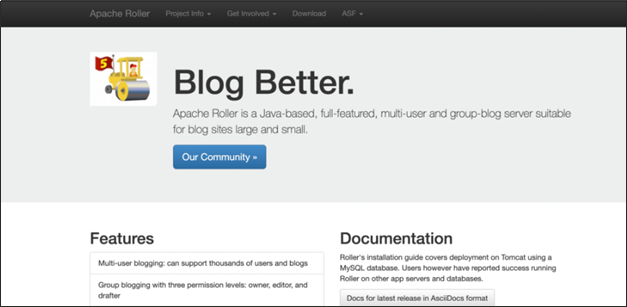
The Apache Roller blogging platform. Source: wpversus.com. |
If you use Apache Roller for blogging, update your packages immediately and audit user accounts for unusual behavior. |
Chinese Hackers Target Linux Systems in Fresh Campaign |
State-sponsored Chinese hacking group UNC5174 is targeting Linux servers with custom malware, exploiting new vulnerabilities in a stealthy campaign that focuses on infrastructure typically viewed as more secure.
If you’re running Linux on your server or desktop systems (including macOS), apply patches promptly, use an intrusion detection system, and continuously monitor for unusual outbound traffic. |
AI-Powered Presentation Tool Used To Launch Phishing Attacks |
Attackers are weaponizing Gamma—a legit AI-powered presentation tool—to create convincing phishing campaigns. They impersonate HR and finance departments to distribute malware-laced slide shows. The tool’s output appears professional and tailored, increasing its effectiveness in tricking recipients.
Always verify the source of unexpected shared documents, even if they look polished and professional. |
|
|
-
Managing mobile devices across your organization doesn’t have to be a headache. Discover how NinjaOne’s intuitive MDM solution can help you secure, monitor, and control devices from a single platform—no matter where your team works.
-
Cybersecurity is one of the fastest-growing tech fields, but breaking in can feel overwhelming. This practical guide walks you through the skills, certifications, and steps to launch a successful cybersecurity career.
|
🛡️ This section contains sponsored cybersecurity insights. |
|
|
- Managing mobile devices across your organization doesn’t have to be a headache. Discover how NinjaOne’s intuitive MDM solution can help you secure, monitor, and control devices from a single platform—no matter where your team works.
-
Cybersecurity is one of the fastest-growing tech fields, but breaking in can feel overwhelming. This practical guide walks you through the skills, certifications, and steps to launch a successful cybersecurity career.
|
🛡️ This section contains sponsored cybersecurity insights. |
|
|
The Ins and Outs of *ishing |
Most people have a general understanding of what phishing is, what to watch out for, and how to steer clear of it. However, as awareness has grown, cyberattackers have also evolved, shifting their tactics from traditional phishing to newer, more deceptive compromise methods.
Here are a few emerging variants of phishing you might not have seen yet (but will likely encounter soon)—part of a growing family of social engineering scams often grouped under *ishing: |
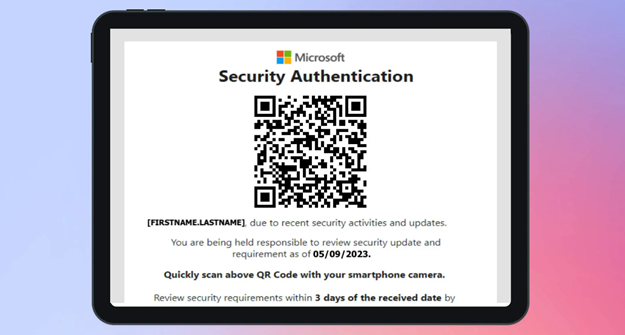
A quishing example from a Microsoft impersonation campaign. Source: hoxhunt.com. |
- Quishing (QR Code Phishing) uses QR codes to direct victims to malicious websites. Since QR codes are images, they're harder for email filters to detect. Also, they're often scanned with personal devices that lack corporate protections.
-
Vishing (Voice Phishing) involves phone calls—real or automated—aimed at tricking victims into sharing sensitive information. Attackers often create urgency or pose as trusted sources to gain access to personal data.
-
Smishing (SMS Phishing) uses urgent or deceptive text messages to lure victims into clicking harmful links or revealing credentials. Messages often impersonate executives or fake delivery services to prompt quick action.
|
How to protect yourself from *ishing attacks: |
-
Check links carefully. Hover over links to see the real URL before clicking. Look for subtle differences (e.g., “rn” vs. “m” or .com vs .org) and ensure the site uses HTTPS.
- Don’t trust caller ID. Phone numbers can be spoofed to appear legitimate.
- Be wary of urgency. Messages that pressure you to act immediately are often *ishing attempts.
-
Avoid unexpected attachments. Don’t open files unless you were expecting them, and verify with the sender if unsure.
- Use public WiFi cautiously and sparingly. Install a VPN or rely on personal hotspots to avoid exposing your data on unsecured networks.
-
Enable multi-factor authentication (MFA). This adds an extra layer of security, even if your password is stolen through a *ishing attack.
|
Staying alert and practicing strong cyber hygiene is your best defense against *ishing in all its forms. And when in doubt, contact the sending organization directly using a trusted source—never communicate via the contact info provided in the suspicious message.
|
|
|
We’ve saved you a seat for Cisco Secure Access Live Demo
|
|
|
Hi there, Secure access, simplified. Join Cisco’s Secure Access live demo on May 21 to learn how to protect users anywhere — and get a free pair of Cisco socks for attending the session! |
|
|
*Offer is only available in the US while supplies last. |
|
|
|
| Secure Links: The Must-Reads |
|
|
| Secure Links: The Must-Reads |
| |
Massive CISA Cuts Spark Security Fears and Political Blowback |
The Department of Homeland Security's Cybersecurity and Infrastructure Security Agency (CISA) is undergoing significant workforce reductions of nearly 40% of its staff. Critics argue that the cuts could compromise national security, especially as foreign adversaries may exploit the reduced cyber defense capabilities.
Organizations should proactively enhance their cybersecurity measures to mitigate potential vulnerabilities from reduced federal cyber support. |
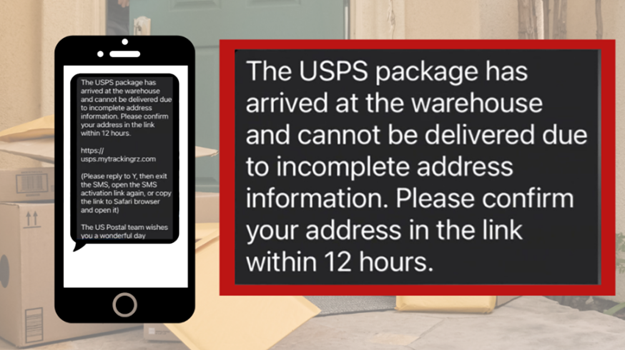
USPS Warns Public About Rising Mail, Email Scams |
Source: nbcwashington.com. |
If you’re a regular snail mail user, be cautious of unexpected communications claiming to be from USPS, and avoid clicking on suspicious links or scanning unknown QR codes. |
|
|
|
Leon Yen is a cybersecurity expert and seasoned tech journalist with over a decade of experience, including founding a cyber risk startup and leading industry-focused research and reporting. |
|
|
|
Liz Ticong is a tech writer specializing in AI and software tools, known for turning complex topics into clear, actionable insights through hands-on testing and analysis. |
|
|
We're looking for talented writers to help shape Cybersecurity Insider. If you're passionate about cyber security, apply to join our team! |
|
|
Cybersecurity Insider is a TechnologyAdvice business |
© 2025 TechnologyAdvice, LLC. All rights reserved. |
TechnologyAdvice, 3343 Perimeter Hill Dr., Suite 100, Nashville, TN 37211, USA. |
|
|
|